
Leave A Message
If you are interested in our products and want to know more details,please leave a message here,we will reply you as soon as we can.



Item No :
DetailsOrder(MOQ) :
100kgsProduct Origin :
ChinaColor :
White to pale yellowShipping Port :
Shanghai, ChinaLead Time :
2-3 weeksWeight :
25kgCas No. :
1414-45-5Molecular Formula :
C₁₄₃H₂₃₀N₄₂O₃₇S₇Appearance :
White to pale yellow free-flowing powderAssay :
≥ 50.0% - 60.0% (Liquid); ≥ 98.0% - 99.0% (Powder)Application :
Purity ≥ 99%; Standard Potency ≥ 1000 IU/mg (customizable potency available)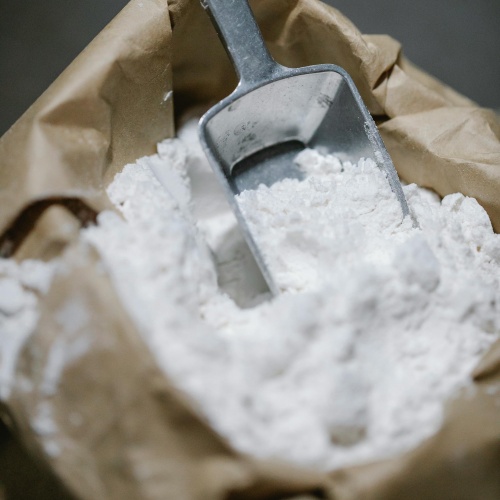
Nisin (CAS 1414-45-5) is a natural antimicrobial peptide produced via fermentation by Lactococcus lactis, consisting of 34 amino acid residues.
As a globally recognized safe, highly efficient, non-toxic natural food preservative (INS No. E234, GRAS certified), Nisin effectively inhibits the growth of most Gram-positive bacteria and their spores. It is widely used in meat products, dairy products, canned food, beverages, condiments and other food industry segments.
In 1969, the Joint FAO/WHO Expert Committee on Food Additives (JECFA) officially confirmed the safety of Nisin for food application. In 1992, the Ministry of Health of the People's Republic of China formally approved Nisin as a legal food preservative.
As a source manufacturer, we supply high-purity, high-activity Nisin products with stable bulk supply capacity for global customers.
Core Advantages
Large-Scale Supply & Cost Advantages
As a source manufacturer, we guarantee stable delivery for bulk orders and offer competitive factory-direct prices, to meet the ongoing procurement needs of customers from the food, beverage and meat processing industries.
Strict Quality & Global Compliance
Our products comply with China GB 2760, US FDA and EU standards, with available ISO, HALAL, KOSHER and FDA certifications. A complete Certificate of Analysis (COA) is provided for each batch, covering key safety indicators including potency, heavy metals and other critical items.
Customized Specifications & Technical Support
We deliver professional application technical support and formula optimization suggestions for different scenarios, such as preservative system construction for meat products and preservation solution design for dairy products, helping customers achieve the optimal balance between preservation effect and cost control.
Natural Safety & Wide Market Recognition
After ingestion, Nisin can be rapidly hydrolyzed into amino acids in the human body. It will not alter the normal flora in the human intestinal tract, nor will it cause cross-resistance with other antibiotics. It fully fits the growing consumer trend of "clean label" and "natural preservation", making it an ideal alternative to chemical preservatives.
Technical Specifications
| Item | Typical Specifications | Test Standard |
| Product Name | Nisin (Nisin) | Also known as Nisin peptide |
| CAS No. | 1414-45-5 | Key Identifier |
| Molecular Formula | C₁₄₃H₂₃₀N₄₂O₃₇S₇ | —— |
| Molecular Weight | Approx. 3354 Da | —— |
| Appearance | White to pale yellow powder | —— |
| Activity/Purity | ≥ 99% | Potency up to 1000 IU/mg and above |
| Solubility | Soluble in water; solubility 12% at pH 2.5, drops to 4% at pH 5.0 | Better solubility under acidic conditions |
| Stability | No inactivation after heating at 121°C for 30 minutes at pH 2.0 | Excellent thermal stability under acidic conditions |
Key Application
1. Meat Products: Anti-Spoilage Guardian Extending Shelf Life by 2–3 Times
Nisin effectively inhibits common Gram-positive spoilage and pathogenic bacteria in meat products, including Listeria monocytogenes, Staphylococcus aureus, and Clostridium botulinum.
Low-Temperature Meat Products: Adding 5–15g of Nisin per 100kg of product can extend the shelf life of low-temperature meat products to more than 3 months at ambient temperature.
Western-Style Ham & Sausages: Nisin allows for a reduction in nitrate or nitrite dosage, while simultaneously extending product shelf life.
Sauced & Braised Meat Products: For products such as braised chicken and sauced beef, Nisin enables a reduction in sterilization temperature (e.g., from 121℃ to 105℃), preserving the product’s texture, taste and color, with a shelf life of more than 6 months.
Leisure Meat Products (e.g., Pickled Chicken Feet): Adding 30g of Nisin per 100kg of product significantly inhibits spoilage bacteria and extends the freshness period.
2. Dairy Products: Preserving Fermentation Flavor & Stable Quality
Nisin does not affect the activity of beneficial fermentation strains such as lactic acid bacteria, but delivers a strong inhibitory effect on contaminating spoilage bacteria.
Yogurt & Fruit-Flavored Milk: Adding 0.05g/kg of Nisin, followed by sterilization at 90℃ for 20 minutes, extends the product’s shelf life from 6 days to more than 1 month at ambient temperature.
Cheese: Adding 0.05–0.1g/kg of Nisin inhibits spoilage caused by heat-resistant spores such as Clostridium botulinum.
UHT Sterilized Milk: Adding 0.05g/kg of Nisin reduces the product spoilage rate from 0.04% to 0.
3. Canned Food & Plant Protein Products: Reducing Sterilization Intensity & Preserving Quality
Nisin increases the heat sensitivity of bacteria, enabling a lower sterilization temperature and shorter sterilization time, thus retaining the nutritional value, flavor and color of food products.
Canned Food: Adding 0.1g/kg of Nisin allows canned food to be stored for 2 years in hot conditions, while reducing heat treatment intensity by 50%.
Soybean Milk & Peanut Milk: Adding 0.1–0.15g/kg of Nisin extends the shelf life by more than 3 times.
Lactone Tofu & Dried Tofu Products: Adding 0.1g/kg of Nisin extends the shelf life by more than 5 times, or up to 6 months.
4. Beverages & Condiments: Preventing Acid Spoilage & Ensuring Stable Quality
Fruit Juice Beverages: Adding 0.05–0.1g/kg of Nisin after pasteurization inhibits the growth and reproduction of Alicyclobacillus acidoterrestris, preventing product acid spoilage.
Condiments: Adding 0.05–0.2g/kg of Nisin to products such as salad dressings extends the shelf life by more than 3 times.
5. Brewing Process: Replacing Acid Washing & Inhibiting Spoilage Bacteria
Nisin does not inhibit yeast, and can be used in beer, fruit wine and other alcoholic beverages to prevent spoilage caused by lactic acid bacteria.
Yeast Washing: Adding 1–1.5g/kg of Nisin to yeast slurry can replace the traditional acid washing method to remove contaminating lactic acid bacteria, while maintaining yeast viability.
Finished Alcoholic Beverages: Adding 0.01–0.05g/kg of Nisin reduces the required pasteurization time.
6. Emerging Application: Animal Feed Additive
Nisin can also be used as an animal feed additive. It helps develop protein sources, improves nutrient absorption and feed utilization rate, promotes livestock digestion, and accelerates growth.
FAQ :Nisin
1. What is Nisin?
Nisin (CAS 1414-45-5, INS No. E234) is a natural antimicrobial peptide produced via fermentation by Lactococcus lactis. It is a globally recognized GRAS (Generally Recognized as Safe) natural food preservative, widely used to inhibit spoilage and pathogenic bacteria in food, beverage and other related industries.
2. What are the core functions of Nisin?
Efficiently inhibits most Gram-positive bacteria, including Listeria monocytogenes, Staphylococcus aureus, Clostridium botulinum and their heat-resistant spores
Extends product shelf life by 2–3 times on average
Reduces sterilization temperature and shortens heat treatment time, fully preserving food flavor, texture and nutritional value
Enables clean label formulations as an ideal natural alternative to chemical preservatives
Does not cause cross-resistance with other antibiotics after human ingestion
3. What grades and specifications of Nisin do you supply?
As a professional source manufacturer, we supply food grade Nisin with a standard potency of 1000 IU/mg (purity ≥99%). We also support customized specifications, potency and packaging solutions to meet different application and bulk procurement needs.
4. Is Nisin safe for food application?
Yes. The safety of Nisin has been fully verified and recognized by global authoritative institutions:
It was confirmed as a safe food additive by the Joint FAO/WHO Expert Committee on Food Additives (JECFA) in 1969
Officially approved as a legal food preservative by the US FDA, EU (INS E234), and China GB 2760 standard
It is rapidly hydrolyzed into amino acids in the human body, does not alter the normal intestinal flora, and has no toxic residues, irritation or allergenicity under the recommended dosage
5. What are the main applications of Nisin?
Nisin is widely used across the global food industry, covering core scenarios:
Meat products (low-temperature meat, western-style ham, sausage, braised meat, leisure meat products)
Dairy products (yogurt, cheese, UHT sterilized milk)
Canned food & plant protein products (soybean milk, tofu products)
Beverages & condiments (fruit juice, salad dressing, sauces)
Brewing industry (beer, fruit wine, yeast washing process)
6. Will Nisin affect the taste, flavor or texture of food products?
No. When used at the recommended dosage, Nisin has no negative impact on the taste, flavor, color or texture of food products. On the contrary, by reducing the intensity of heat sterilization, it can better retain the original flavor, tender texture and nutritional value of the product.
7. What is the stability of Nisin?
Nisin has excellent thermal stability under acidic conditions: it will not inactivate after heating at 121°C for 30 minutes at pH 2.0. Its solubility is also better in acidic environments (12% solubility at pH 2.5, drops to 4% at pH 5.0). We can provide professional guidance on the optimal application conditions for your formulation.
8. What is the shelf life of your Nisin products?
The shelf life of our Nisin products is 24 months, when stored in a cool, dry, well-ventilated place, with the original packaging intact and away from direct sunlight.
9. Do you support bulk supply and customized orders?
Yes. As a source manufacturer, we have large-scale standardized production capacity to guarantee stable on-time delivery for bulk orders. We offer competitive factory-direct prices, and support customized specifications, packaging and potency to meet your unique procurement and application needs.
10. Can Nisin replace chemical preservatives in food formulations?
Yes. Nisin is an ideal natural alternative to chemical preservatives, fully matching the global consumer trend of "clean label" and "natural food". It can be used alone or in combination with other natural preservatives to achieve the same or better preservation effect than chemical preservatives, while optimizing your product label to enhance market competitiveness.



leave a message


 IPv6 network supported