Natural vs. Synthetic Preservatives: Which Is Better for Your Food Product?
Sep 30, 2026
Few decisions in food formulation are framed as starkly as the choice between natural and synthetic preservatives. Consumers are reading labels more carefully, retailers are tightening ingredient policies, and regulators are re-examining additives that have been in service for decades. Yet "better" is rarely a matter of picking a side. A preservative's value depends on what it must protect against, the chemistry of your food matrix, the markets you sell into, and the story your label is allowed to tell. This article compares the two categories across efficacy, safety evidence, cost and supply, and ends with a practical framework for choosing — and defending — your preservation system.
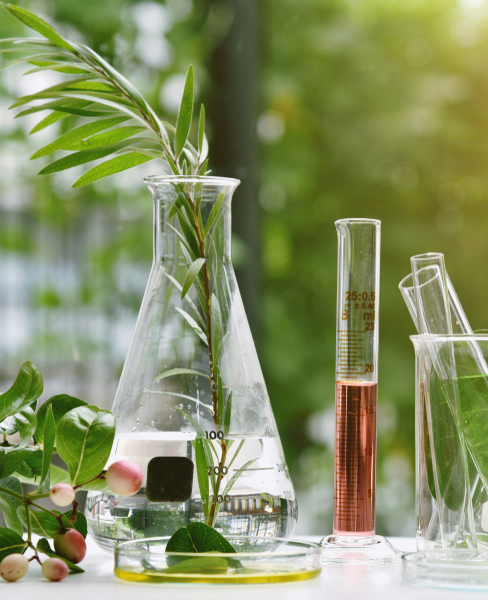
Figure 1: Food preservation in focus — from fresh ingredients to food-grade ingredient samples under controlled, clean conditions.
I. What Are "Natural" and "Synthetic" Preservatives — and Why the Line Is Blurred
For practical purposes, the two categories are defined by source and production process. Natural preservatives are substances derived from plants, animals, microorganisms or minerals without chemical synthesis. The most commercially important examples include nisin (an antimicrobial peptide produced by fermentation with Lactococcus lactis), natamycin (an antifungal polyene produced by Streptomyces fermentation), rosemary extract (standardized on the phenolic diterpenes carnosic acid and carnosol), tea polyphenols, tocopherols (vitamin E), citric and ascorbic acid, and lactates. Synthetic preservatives are manufactured by chemical synthesis — sodium benzoate, potassium sorbate, the antioxidants BHA and BHT, sodium nitrite, sulfites and calcium propionate are among the most widely used.
Figure 2: Natural preservative sources — botanicals such as rosemary, green tea, citrus and rowan berries, and the standardized powders derived from them.
The line blurs because several "natural" preservatives are nature-identical molecules — chemically identical to compounds found in nature, but manufactured synthetically at industrial scale. Sorbic acid is the classic example: it was first isolated in 1859 by A. W. von Hofmann from the berries of the rowan tree (Sorbus aucuparia), yet virtually all commercial supply today is synthesized, and the molecule on the ingredient list is the same either way. Citric acid is now produced predominantly by fermentation; vitamin C can be fermented or synthesized. "Natural" and "synthetic" therefore describe origin and process, not chemistry.
Figure 3: Synthetic preservatives — standardized, high-purity food-grade powders manufactured for consistent, predictable performance.
Regulators reinforce this nuance. The U.S. Food and Drug Administration (FDA) has never established a formal definition of "natural" for food labeling; it requested public comment on the term in 2015 and has not finalized a rule. The U.S. Department of Agriculture defines "natural" only for meat and poultry products — containing no artificial ingredients or added color, and only minimally processed. In the European Union, food additives are authorized as substances with E-numbers, with no legal distinction based on origin. A "natural" claim is therefore a marketing position that must be substantiated market by market, not a universally defined technical standard.
II. Efficacy: Match the Mechanism to the Spoilage Risk
Preservatives perform two distinct jobs: antimicrobial control — keeping bacteria, yeast and molds below harmful or spoiling levels — and antioxidant protection — delaying oxidative rancidity of fats and oils. The right choice starts with knowing which job your product needs, and under what conditions.
1. The pH window of weak-acid preservatives
Most classical preservatives are weak acids that act in their undissociated form: only the uncharged molecule can cross the microbial cell membrane, then dissociate inside the cell and disrupt metabolism. This makes pH the single most important formulation variable. Benzoic acid (pKa ≈ 4.2) is most effective below about pH 4.5, which is why benzoates are standard in acidic beverages, sauces and pickles. Sorbic acid (pKa ≈ 4.76) extends activity to roughly pH 6.0–6.5, covering bakery fillings, cheese, dried fruit and wine. Propionates remain effective up to about pH 5.5 and — crucially — suppress molds and rope-forming bacteria while sparing yeast, which is why calcium propionate is the industry-standard mold inhibitor in bread.
Figure 4: Effective pH windows of common weak-acid preservatives (schematic). Sorbates cover the widest range of the three; benzoates are confined to acid products.
2. Spectrum of activity
Nisin targets Gram-positive bacteria and their spores — including Listeria monocytogenes and Clostridium botulinum — and is GRAS in the U.S. for inhibiting botulinum outgrowth in pasteurized cheese spreads (21 CFR 184.1538).
Natamycin is a polyene antifungal active against molds and yeast, approved on cheese surfaces at up to 20 mg/kg (21 CFR 172.155) and in certain beverages through FDA GRAS notices.
Sodium nitrite is the critical antibotulinal agent in cured meats; it also fixes color and contributes cured flavor.
Sulfites provide broad-spectrum antimicrobial and anti-browning activity in dried fruit, wine and prepared produce — with regulatory restrictions discussed in Section III.
BHA and BHT are oil-soluble antioxidants for fats, oils and fatty foods; in the U.S., total antioxidant content may not exceed 0.02% of the fat or oil content of the food (21 CFR 172.110).
3. Natural antioxidants and the standardization challenge
Rosemary extract, tocopherols, tea polyphenols and ascorbyl palmitate have moved from niche to mainstream antioxidant options. Rosemary extract is authorized in the EU as E392 with a specification of at least 5% carnosic acid plus carnosol[7]; that kind of marker-compound standardization is what separates a reproducible ingredient from a variable botanical. The trade-offs are real: natural antioxidants often require higher use levels than their synthetic counterparts, can impart flavor or color at those levels, and vary with harvest and extraction. Synthetic antioxidants offer defined actives, tight specifications and predictable dose–response behavior.
Table 1: Key preservatives at a glance. “Nature-identical” means the molecule also occurs in nature but is manufactured industrially.
Preservative
Origin / type
Primary function
Typical applications
Nisin
Fermentation-derived antimicrobial peptide (nature-identical)
Antimicrobial — Gram-positive bacteria and their spores
Pasteurized cheese spreads, dairy, meat, canned foods
Natamycin
Fermentation-derived polyene antifungal
Antifungal — molds and yeast
Cheese surface (≤20 mg/kg), certain beverages (≤5 mg/kg)
Rosemary extract
Plant extract standardized on carnosic acid + carnosol
Antioxidant
Oils, meat products, snacks, bakery fats
Tocopherols (vitamin E)
Plant-derived / nature-identical
Antioxidant
Oils, nuts, cereals, meat products
Citric / ascorbic acid
Fermentation / nature-identical
Acidulant, antioxidant, color protection
Beverages, fruit products, processed meat
Sodium benzoate
Synthetic
Antimicrobial — yeast, molds, bacteria (acid products)
Soft drinks, sauces, pickles, condiments
Potassium sorbate
Synthetic (nature-identical molecule)
Antimicrobial — molds, yeast, bacteria
Baked goods, cheese, dried fruit, wine
Calcium propionate
Synthetic
Antifungal — molds and rope-forming bacteria
Bread and baked goods
Sodium nitrite
Synthetic
Antibotulinal; color and flavor development
Cured and fermented meats
Sulfites
Synthetic
Antimicrobial, antioxidant, anti-browning
Dried fruit, wine, prepared produce
III. Safety: What the Evidence Actually Shows
Both categories are regulated as food additives under the same systems — GRAS or food-additive status at FDA, E-number authorization in the EU, listing under GB 2760 in China — and both are subject to the same pre-market reviews and post-market re-evaluations. The relevant question is not whether a category is "safe," but what the evidence shows for each substance in its permitted uses.
Acceptable daily intakes after recent re-evaluations
Benzoic acid and benzoates: group ADI of 5 mg/kg body weight per day (EFSA, 2016). EFSA noted the ADI could be exceeded in a brand-loyal scenario by toddlers and children who regularly consume flavored drinks.
Sorbic acid and potassium sorbate: temporary group ADI of 3 mg/kg bw per day (EFSA, 2015) — a reduction from the earlier JECFA group ADI of 25 mg/kg bw per day — pending a new reproductive toxicity study.
Sodium nitrite: ADI of 0.07 mg/kg bw per day; sodium nitrate: 3.7 mg/kg bw per day (EFSA, 2017).
Documented watch-points
Benzoates plus vitamin C can form trace benzene. Benzene can be generated when benzoate preservatives are combined with ascorbic acid (vitamin C) in acidic beverages. FDA testing in 2005–2007 found a small number of products above the 5 ppb drinking-water guideline; those products were reformulated, and follow-up testing showed benzene levels brought below the threshold.
Sulfites are restricted for a reason. FDA revoked GRAS use of sulfites on raw fruits and vegetables in 1986 after reports of severe reactions, and requires label declaration whenever sulfite is present at 10 ppm or more. Sulfite sensitivity — including asthma exacerbations and, rarely, anaphylaxis — affects a small but clinically significant share of consumers, concentrated among people with asthma.
Nitrites can form N-nitrosamines. Nitrite may react with amines under high-heat processing. EFSA's 2017 re-evaluation concluded that nitrite and nitrate are safe at the levels permitted, with dietary exposure exceeding the ADI only in a small fraction of children at high consumption percentiles — while recommending that nitrosamine formation be minimized.
Synthetic antioxidants are under renewed scrutiny. BHA is classified by IARC as Group 2B ("possibly carcinogenic to humans") and listed by the U.S. National Toxicology Program as "reasonably anticipated to be a human carcinogen" on the basis of animal studies. In February 2026 the FDA opened a formal post-market re-assessment of BHA (Docket FDA-2026-N-0302), extending the same process to BHT in May 2026.
"Natural" is not automatically safer
Nitrite and nitrate occur naturally in vegetables, and IARC's 2015 classification of processed meat as Group 1 ("carcinogenic to humans") and red meat as Group 2A reflects total dietary patterns — preservation chemistry, cooking and other factors together — not a verdict on preservatives in isolation. Some naturally derived compounds are allergens (sulfites in wine), and a botanical extract is only as safe and consistent as its specification. Dose, matrix and compliance — not source — determine risk. The pattern across the scientific record is that both categories have documented strengths and documented watch-points, which is precisely why challenge testing and shelf-life validation matter more than category loyalty.
IV. Cost, Stability and the Clean-Label Market
Economics and stability.
Synthetic preservatives remain the economic workhorses of the industry: low unit cost, heat-stable performance (BHA and BHT survive frying temperatures that degrade many natural antioxidants) and decades of manufacturing experience. Natural options are typically more expensive at effective use levels and can demand sensory trade-offs — rosemary extract's aroma, tea polyphenols' color — as well as tighter supply-chain qualification for batch consistency.
Market pull.
The commercial pressure for natural alternatives is real and measurable. In IFIC's 2024 Food & Health Survey, about 24% of U.S. consumers reported routinely checking labels specifically to avoid chemical additives. Industry estimates put the natural preservatives segment on a roughly 7% compound annual growth path for 2025–2032, with clean-label formulations growing faster than conventional ones. These figures are estimates, but the direction is consistent: clean-label demand is reshaping reformulation priorities.
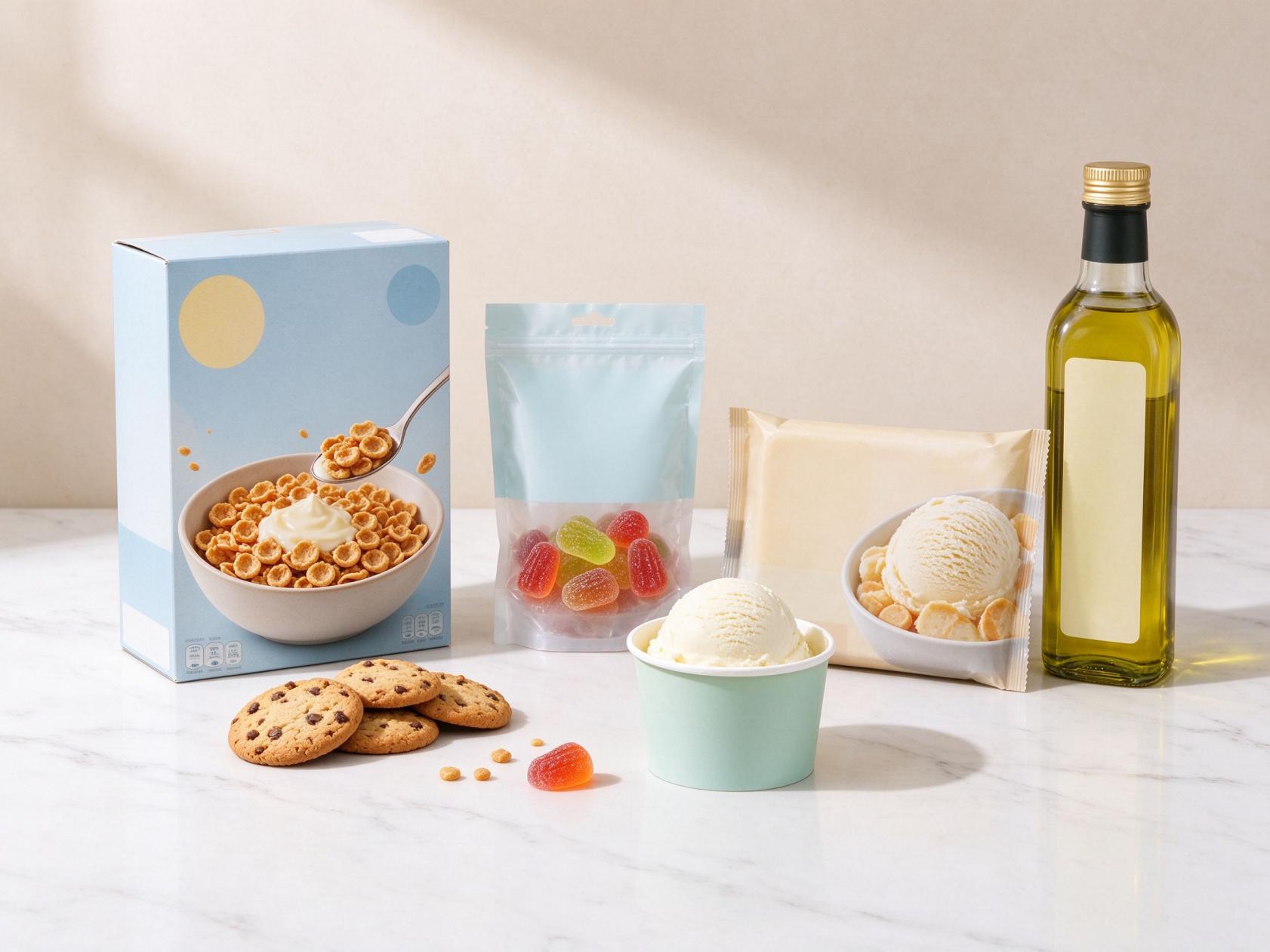
Figure 5: Everyday packaged foods — each relies on a preservation system matched to its specific spoilage risk.
Regulatory alignment. The same molecule can be GRAS in the United States, carry an E-number in the European Union, and be subject to different maximum use levels under China's GB 2760. Map your target markets before locking a formulation: a claim you can support in one market may not transfer to another.
V. A Decision Framework: How to Choose for Your Product
1. Define the spoilage risk. Identify the target organisms (pathogens versus spoilage flora), the product's pH and water activity, packaging atmosphere, processing history and target shelf life. This determines which mechanism — antimicrobial, antioxidant, or both — is actually needed.
2. Match the mechanism. Acidic beverages: benzoates or sorbates. Bread: propionates. Cheese surface: natamycin. Cured meat: nitrite, with nitrosamine-minimizing practices. Oils and fried snacks: BHA/BHT, tocopherols or rosemary extract.
3. Screen for compatibility. Check the pH window, sensory impact, interactions with other ingredients (for example, benzoates with vitamin C), and stability through your process.
4. Build a hurdle system. Rarely is one preservative the whole answer. Heat, reduced water activity, pH, modified-atmosphere packaging and multiple preservatives at lower individual levels work synergistically — the foundation of modern preservation.
5. Validate with data. Challenge tests against relevant pathogens and accelerated shelf-life trials are non-negotiable; literature claims are a starting point, not proof.
6. Verify compliance per market. FDA GRAS/CFR listings, EFSA E-number authorizations and use-level limits, GB 2760 in China, plus organic, halal/kosher and label-claim rules.
7. Align with your brand. Clean-label positioning does not require abandoning proven chemistry. Fermentation-derived options (nisin, natamycin), lactates and nature-identical acids can often deliver both the label and the shelf life.
Table 2: Natural versus synthetic preservatives at a glance.
Dimension
Natural
Synthetic
Source & process
Plant, microbial or mineral origin; minimal chemical synthesis
Chemically manufactured; defined active substances
Consistency
Batch variability; requires marker-compound standardization
Tight specifications; predictable dose–response
Cost
Typically higher at effective use levels
Low unit cost; economical at scale
Sensory
Can impart flavor or color at effective doses
Generally neutral at permitted use levels
Consumer perception
Strong clean-label appeal
Growing scrutiny; retailer exclusion lists
Regulatory status
Same safety review; "natural" claims need per-market substantiation
Same safety review; several under re-assessment (BHA, BHT)
Typical fit
Clean-label programs, premium and export lines, lower-risk matrices
High-throughput, cost-sensitive, higher-risk matrices
Conclusion
There is no universal winner in the natural-versus-synthetic debate, and the evidence does not support treating either category as inherently superior. Both families contain safe, effective, well-regulated options, and both contain substances that demand careful formulation discipline. What separates a successful product is the quality of the match: the right preservation system for the product's spoilage risk, processing and target market. Build that match on data — challenge tests, shelf-life trials and per-market compliance — and let the label reflect the evidence rather than the other way around.
About Leafchem
Leafchem is a professional manufacturer and supplier of food additives, cosmetic ingredients and fine chemicals. From fermentation-derived nisin and food-grade lactates to synthetic antioxidants such as BHT and high-purity methylparaben, we supply preservatives with full COA, batch traceability and regulatory documentation support.https://www.leafchem.com/to discuss your formulation.
Read More






 IPv6 network supported