Leave A Message
If you are interested in our products and want to know more details,please leave a message here,we will reply you as soon as we can.

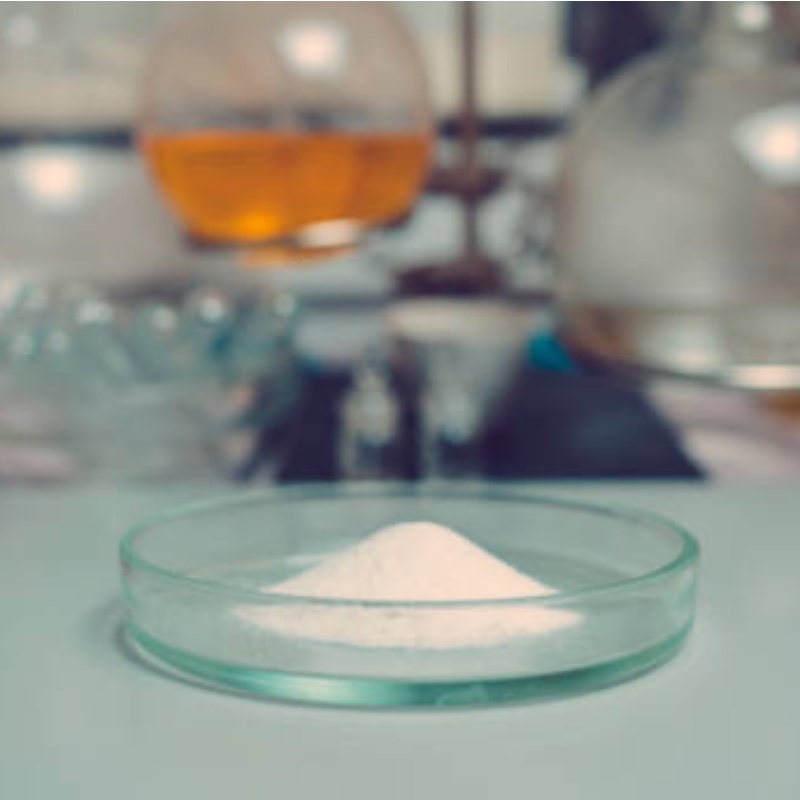
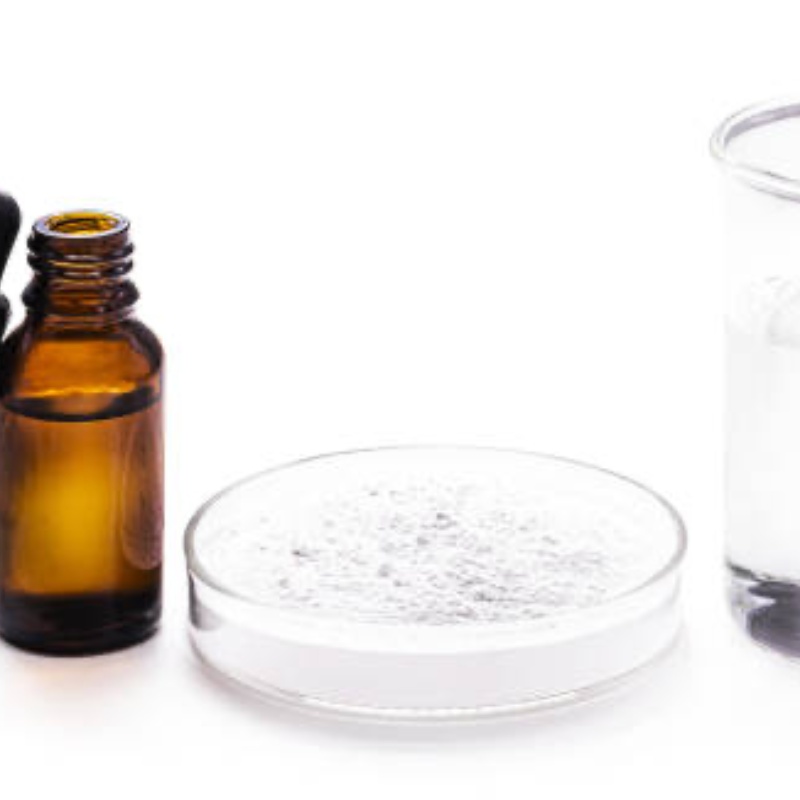
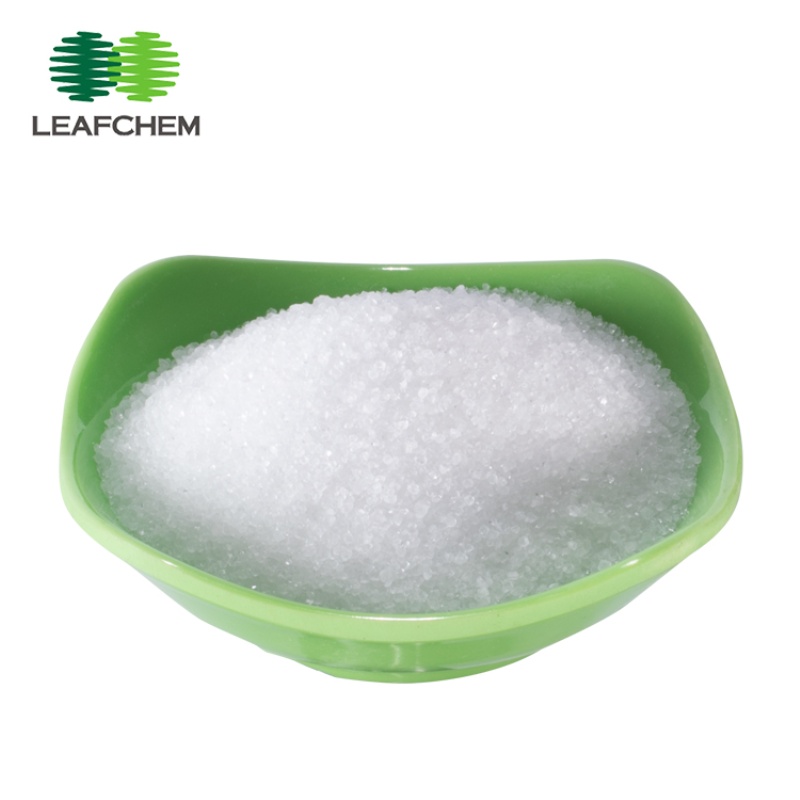
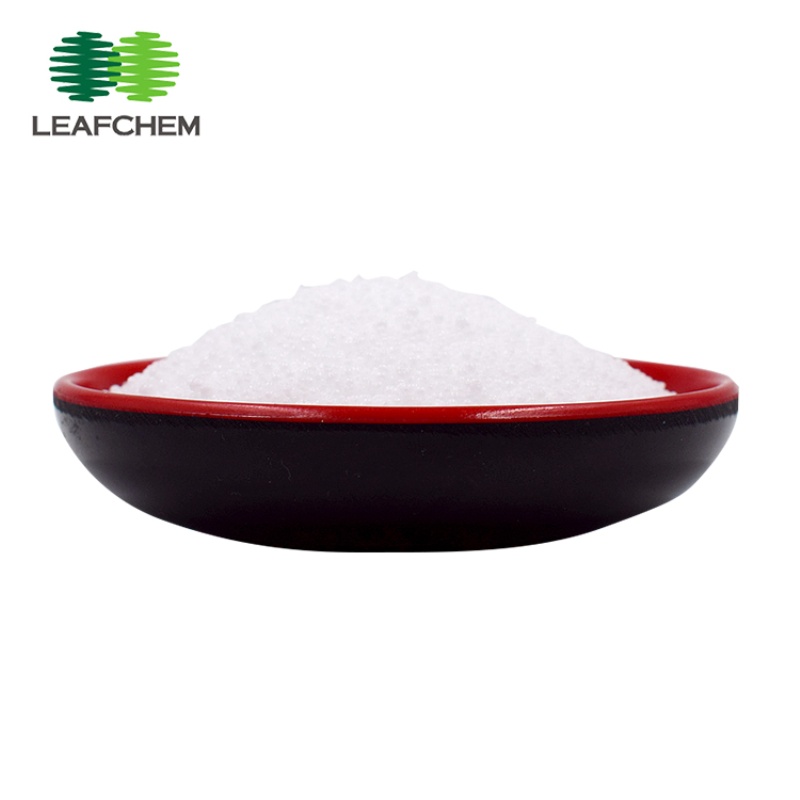
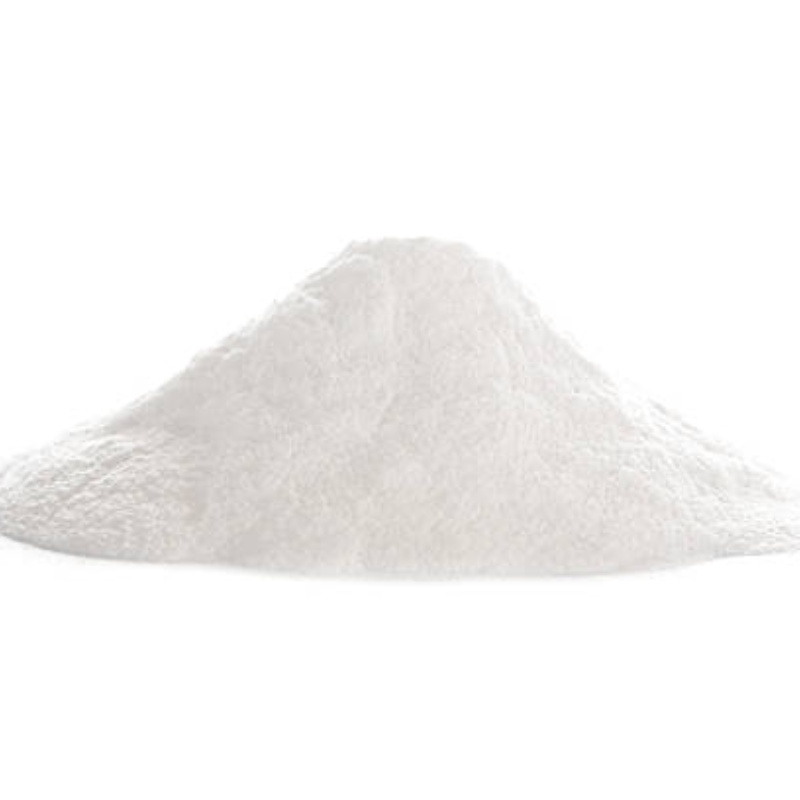
Propylparaben (CAS 94-13-3) is a high-efficiency broad-spectrum paraben preservative, a white crystalline powder with the molecular formula C₁₀H₁₂O₃. With exceptional antifungal/anti-yeast activity and superior liposolubility, it is a key raw material for stable preservative systems in cosmetics and pharmaceutical topical preparations. As a manufacturer, we offer full-process quality control and large-scale stable supply.
Item No :
LEAFCHEM053Order(MOQ) :
100kgsProduct Origin :
ChinaColor :
WhiteShipping Port :
Shanghai, ChinaLead Time :
2-3 weeksWeight :
25kgCas No. :
94-13-3Molecular Formula :
C₁₀H₁₂O₃Appearance :
White crystalline powder or granulesAssay :
≥ 99.0% (HPLC)Application :
Cosmetics & Personal Care Pharmaceuticals Food Industry Industrial Products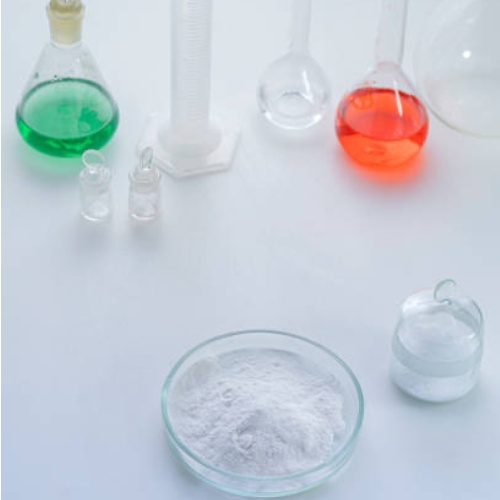
Core Advantages
Technical Specifications
| Item | Specification | Test Method/Remarks |
| Appearance | White crystalline powder or granules | Visual inspection |
| Assay (on dry basis) | ≥ 99.0% | High Performance Liquid Chromatography (HPLC) |
| Melting Point | 95°C-98°C | Capillary method |
| Loss on Drying | ≤ 0.5% | 105°C Loss on Drying method |
| Sulfated Ash | ≤ 0.1% | Gravimetric ignition method |
| Related Substances | Complies with Chinese Pharmacopoeia, USP, EP andequivalent standards | HPLC |
| Solubility | Very slightly soluble in water, freely soluble in ethanol,propylene glycol and oils | —— |
Key Application Fields
Cosmetics & Personal Care
The core application field. Exceptionally suited for products susceptible to microbial contamination or with complex formulations—including creams, lotions, foundations, sun care products, shampoos and conditioners. Thanks to its potent antimicrobial efficacy, it serves as a key component in compound preservative systems. The recommended dosage is typically 0.03%–0.1% (the total concentration of compound blends with other parabens must comply with regulatory upper limits).
Pharmaceuticals
Widely utilized in external ointments, creams, suppositories, oral liquid formulations and other pharmaceutical preparations, delivering reliable microbial inhibition to safeguard pharmaceutical product safety and stability.
Food Industry
In regions where permitted by local regulations (please verify the applicable standards prior to use, e.g., China’s GB 2760), it can be used as a preservative in baked food fillings, condiments, beverages and similar products, providing effective mold inhibition.
Industrial Products
Employed in industrial products requiring long-lasting mold resistance, such as water-based cutting fluids and adhesives.
FAQ :Propyl Paraben
Q: What is Propyl Paraben, and what are its key characteristics?
A: Propyl Paraben (CAS 94-13-3) is a high-efficiency, broad-spectrum paraben preservative with the molecular formula C₁₀H₁₂O₃, appearing as a white crystalline powder/granule. It features enhanced antifungal (mold/yeast) activity and moderate liposolubility compared with Methyl and Ethyl Paraben, and maintains high stability in a wide pH range (3-8). It is a core raw material for constructing robust preservative systems in complex oil-water formulations.
Q: How is Propyl Paraben different from Methyl Paraben and Ethyl Paraben?
A: All three are classic paraben preservatives, but Propyl Paraben has stronger lipophilicity and antifungal activity, making it more suitable for emulsified systems (creams/lotions) and products requiring long-acting mold inhibition. Methyl Paraben has better water solubility, and Ethyl Paraben balances mildness and efficacy for sensitive skin formulations. They are often compounded to achieve synergistic antimicrobial effects.
Q: What are the core application fields of Propyl Paraben?
A: It is widely used in four major fields worldwide:
Cosmetics & Personal Care: Creams, lotions, foundations, sun care, shampoos, conditioners (complex/oil-water emulsified systems);
Pharmaceuticals: External ointments, creams, suppositories, oral liquid formulations;
Food Industry: Baked fillings, condiments, beverages (mold inhibition, per local regulatory approval);
Industrial Products: Water-based cutting fluids, adhesives (long-lasting mold resistance).
Q: What is the recommended dosage of Propyl Paraben, and can it be used alone?
A: The recommended dosage is typically 0.03%–0.1%. It can be used alone for simple formulations, but is more commonly used as a key component in compound systems (blended with Methyl/Ethyl Paraben). The total concentration of paraben blends must comply with local regulatory upper limits to ensure compliance.
Q: Why is Propyl Paraben suitable for complex oil-water emulsified formulations?
A: Its moderate liposolubility enables uniform distribution in both oil and aqueous phases, solving the problem of poor preservative compatibility in emulsified systems (e.g., creams/lotions). Unlike water-soluble preservatives that accumulate in the water phase, it provides full-spectrum antimicrobial protection for the entire formulation system.



leave a message


 IPv6 network supported