Leave A Message
If you are interested in our products and want to know more details,please leave a message here,we will reply you as soon as we can.

Ethyl Paraben Cosmetic Pharmaceutical Grade Preservative for Sensitive Skin | CAS 120-47-8
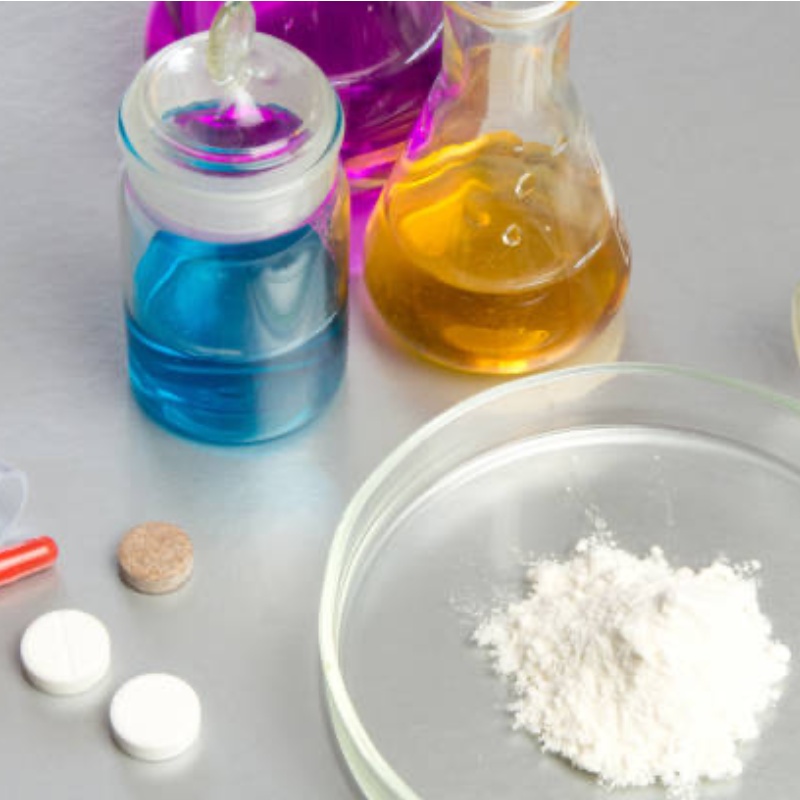
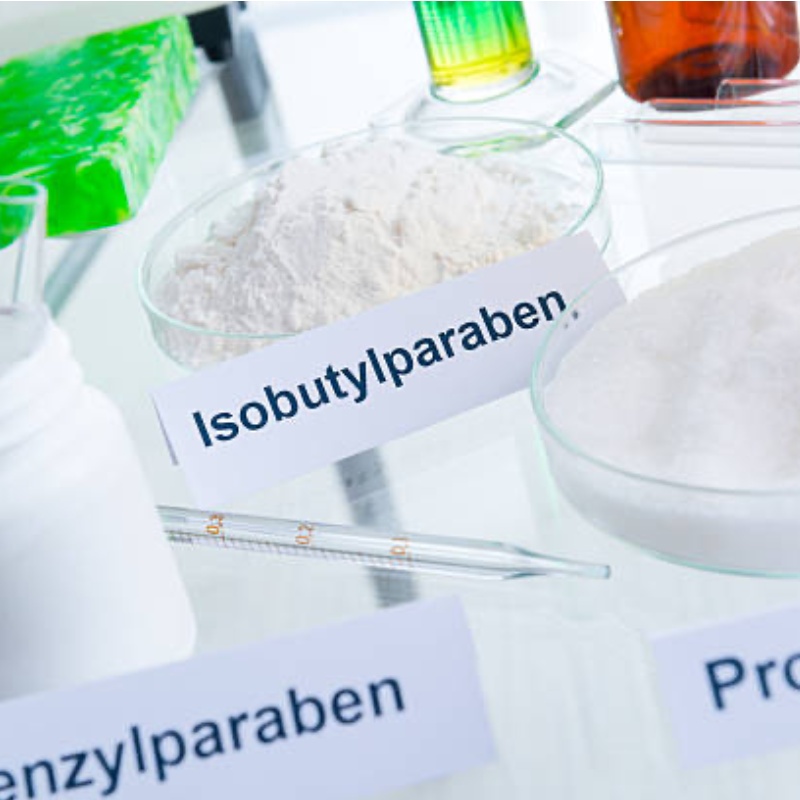
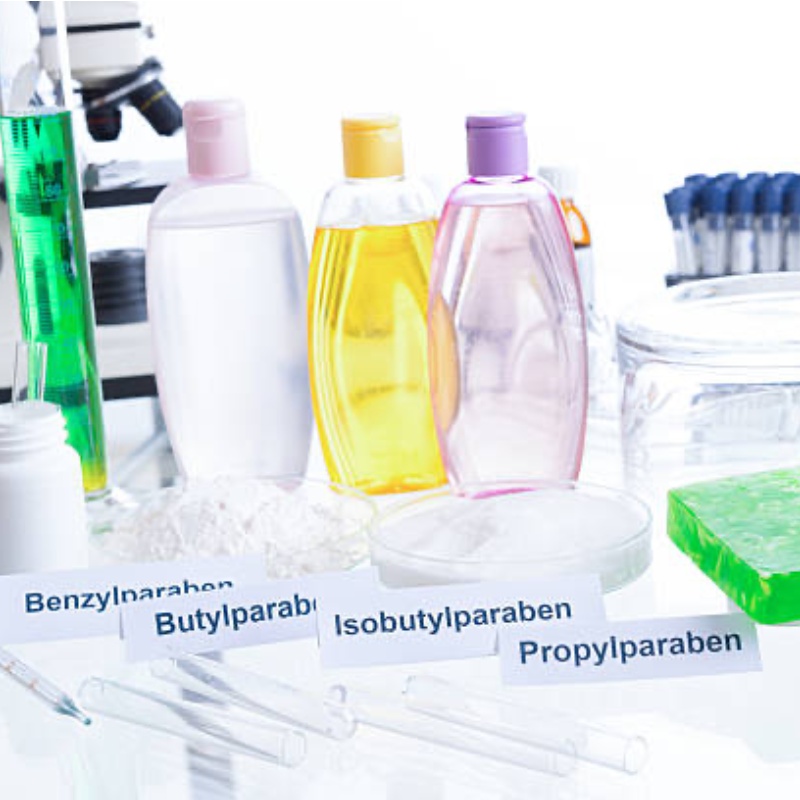
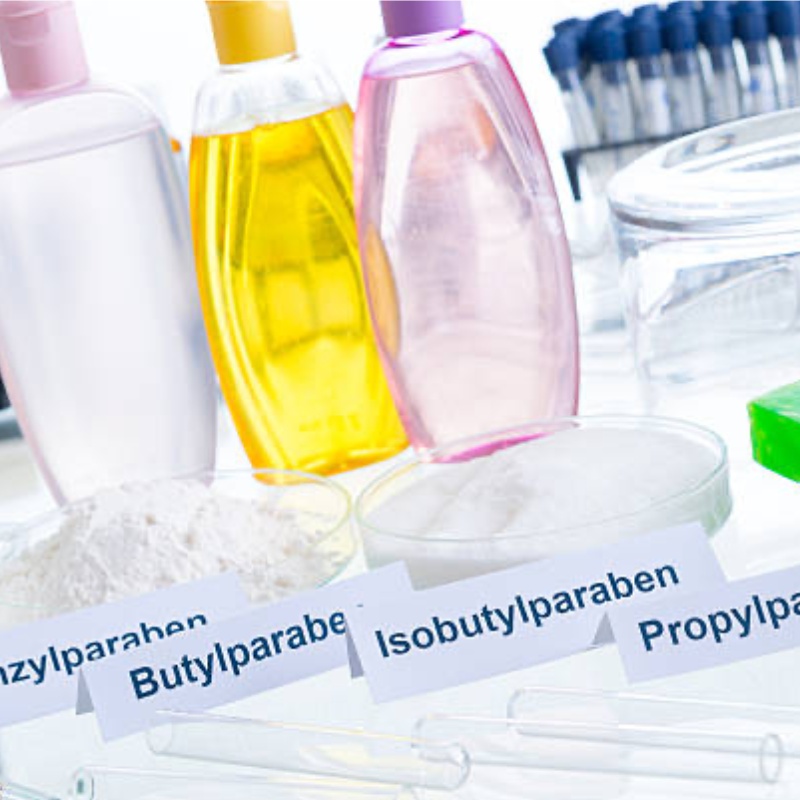
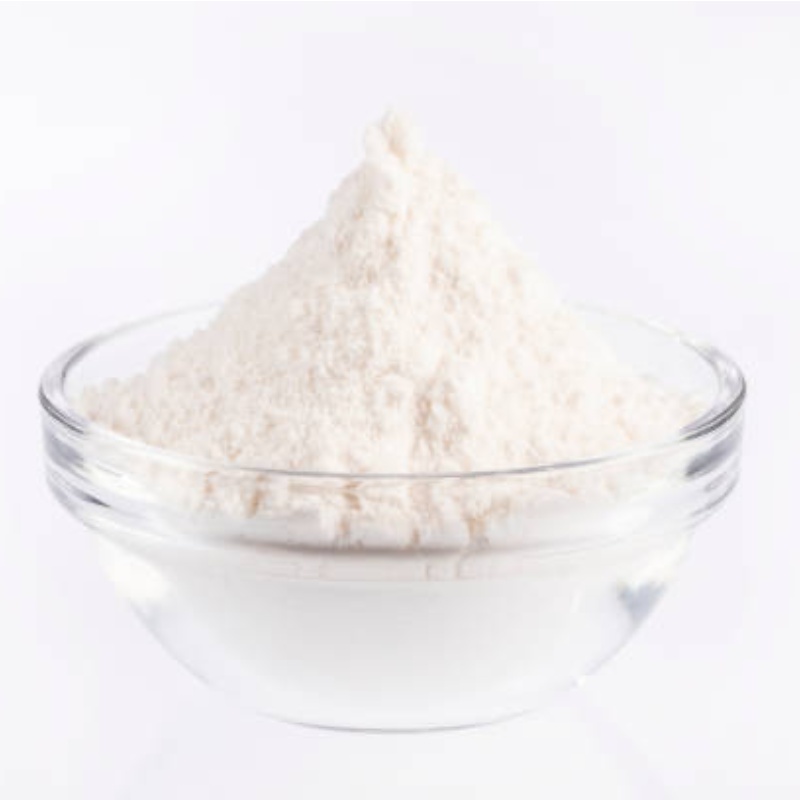
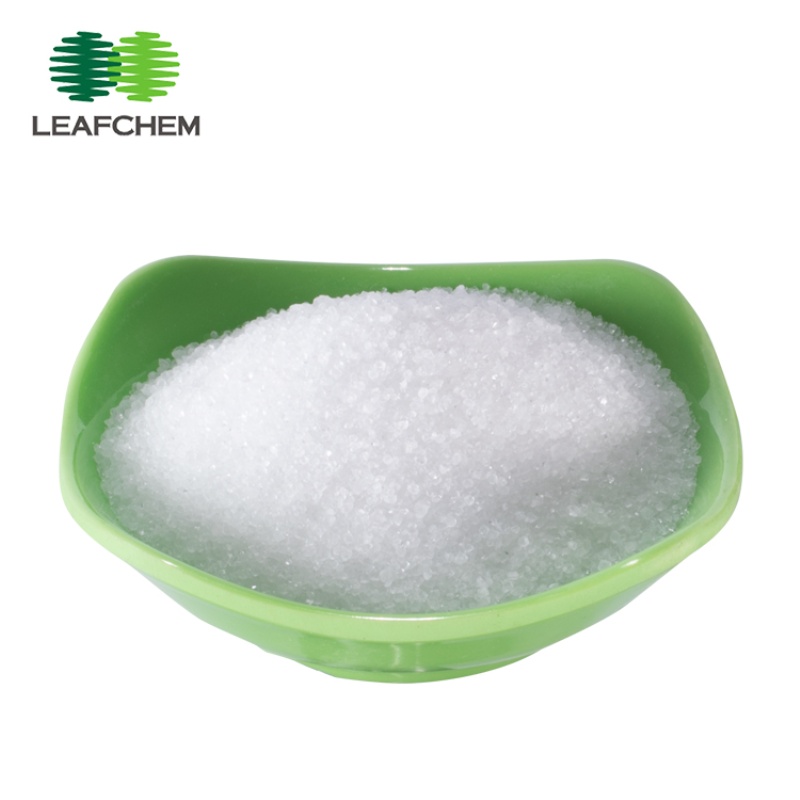
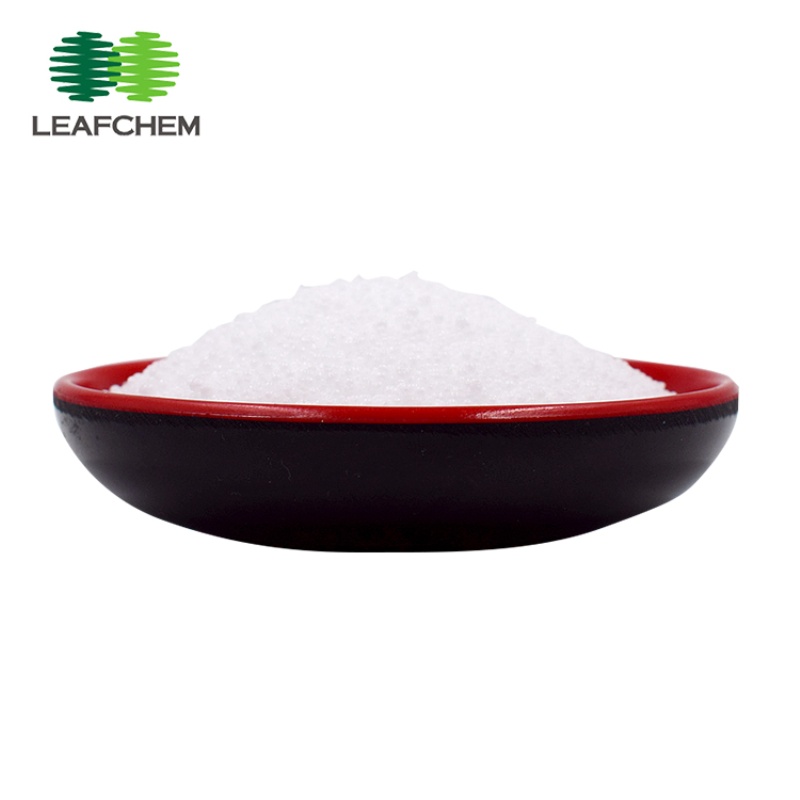
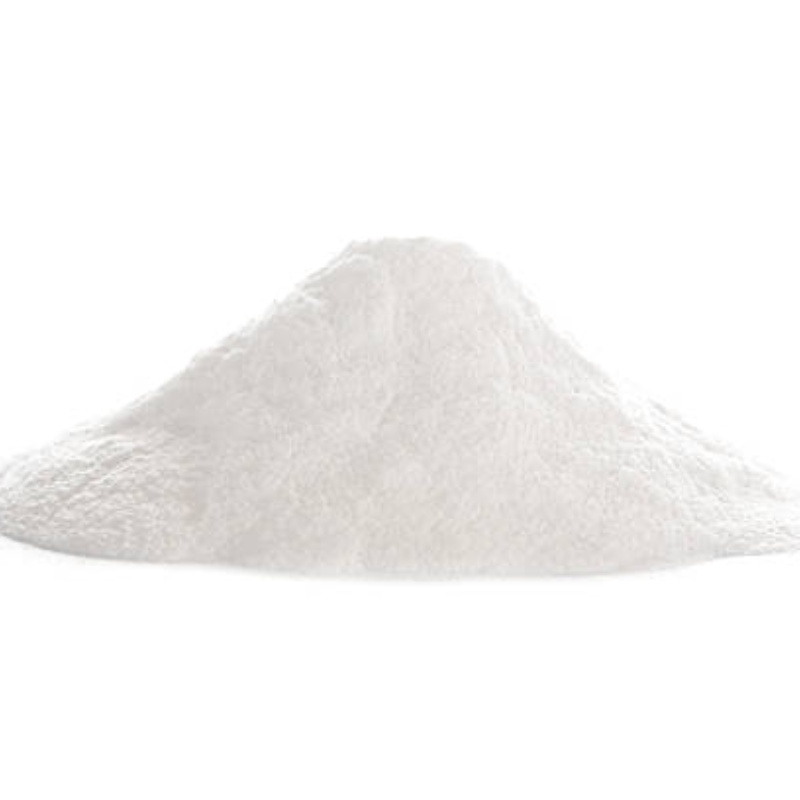
Ethylparaben (CAS 120-47-8, common name: Nipagin A) is a high-efficiency, broad-spectrum cosmetic and pharmaceutical grade preservative. A core paraben member, it is a white crystalline powder (molecular formula C₉H₁₀O₃) with excellent antifungal/anti-yeast activity and mild properties, acting as a key raw material for high-end skincare, personal care and liquid pharmaceutical preservation systems. As a source manufacturer, we provide stable quality and large-scale supply from production to delivery.
Item No :
LEAFCHEM053Order(MOQ) :
100kgsProduct Origin :
ChinaColor :
WhiteShipping Port :
Shanghai, ChinaLead Time :
2-3 weeksWeight :
25kgCas No. :
120-47-8Molecular Formula :
C₉H₁₀O₃Appearance :
White crystalline powderAssay :
≥ 99.0% (HPLC)Application :
Cosmetics & Personal Care Pharmaceuticals Food Industry Industrial Products
Cosmetics & Personal Care
Widely used in high-end creams, lotions, serums, toners and baby care products. Owing to its mildness, it is a common paraben choice in sensitive skin-friendly formulations. The recommended general dosage is 0.1%-0.4% (can be used alone or in combination).
Pharmaceuticals
Applied in external creams, suppositories, oral syrups, drops and other liquid formulations to ensure the microbiological stability of pharmaceutical products, in compliance with pharmacopoeial standards.
Food Industry (Under Regulatory Approval)
Can be used as a preservative in fruit juices, jams and other food products in accordance with the regulations of target markets (e.g., China GB 2760).
Core Advantages
Technical Specifications
| Item | Specification | Test Method/Remarks |
| Appearance | White crystalline powder | Visual inspection |
| Assay (on dry basis) | ≥ 99.0% | High Performance Liquid Chromatography (HPLC) |
| Melting Point | 115°C-118°C | Capillary method |
| Loss on Drying | ≤ 0.5% | 105°C Loss on Drying method |
| Sulfated Ash | ≤ 0.1% | Gravimetric ignition method |
| Related Substances | Complies with Chinese Pharmacopoeia, USP orequivalent standards | HPLC |
| Solubility | Slightly soluble in water, freely soluble in ethanol andpropylene glycol | —— |
Key Application Fields
FAQ :Ethyl Paraben
Q: What is Ethyl Paraben, and its key characteristics?
A: Ethyl Paraben (CAS 120-47-8), also known as Nipagin A, is a core broad-spectrum paraben preservative. It is a white crystalline powder with the molecular formula C₉H₁₀O₃, featuring high-efficiency antimicrobial activity (especially against molds and yeasts), mild skin irritation, and excellent chemical stability. It is a mainstream preservative for high-end cosmetic, pharmaceutical, and food formulations worldwide.
Q: How is Ethyl Paraben different from Methyl Paraben?
A: Both are classic parabens, but Ethyl Paraben has stronger antifungal/yeast activity and lower skin irritation, making it more suitable for sensitive skin formulations and pharmaceutical liquid preparations. Methyl Paraben has better water solubility and is more cost-effective for general cosmetic systems. They are often compounded to enhance preservative efficacy.
Q: What are the core application fields of Ethyl Paraben?
A: It is widely used in four major fields:
Cosmetics & Personal Care: Core raw material for creams, lotions, serums, sun care, baby care, and sensitive skin formulations;
Pharmaceuticals: For external creams, suppositories, oral syrups, drops, and partial ophthalmic preparations;
Food Industry: Preservative for fruit juices, jams, and pastry fillings (per local regulatory approval, e.g., China GB 2760);
Q: What is the recommended dosage of Ethyl Paraben, and can it be used in combination?
A: The general recommended dosage is 0.1%-0.4% (can be used alone). For better efficacy, it is often compounded with other parabens (Methyl Paraben/Propyl Paraben/Butyl Paraben) or phenoxyethanol—this broadens the antimicrobial spectrum, reduces single ingredient dosage, and builds a stable composite preservative system.
Q: What pH range is suitable for Ethyl Paraben?
A: It maintains effective antimicrobial activity in a wide pH range of 3-8, which covers the pH of most cosmetic (5.0-7.0), pharmaceutical, and food formulations, with no loss of activity caused by pH changes.
Q: Is Ethyl Paraben suitable for sensitive skin and baby care products?
A: Yes. Among parabens, Ethyl Paraben has relatively low skin irritation and no obvious sensitization at the recommended dosage, making it one of the preferred preservatives for sensitive skin-friendly and baby care product formulations (conforms to mild formula requirements).



leave a message


 IPv6 network supported