Leave A Message
If you are interested in our products and want to know more details,please leave a message here,we will reply you as soon as we can.

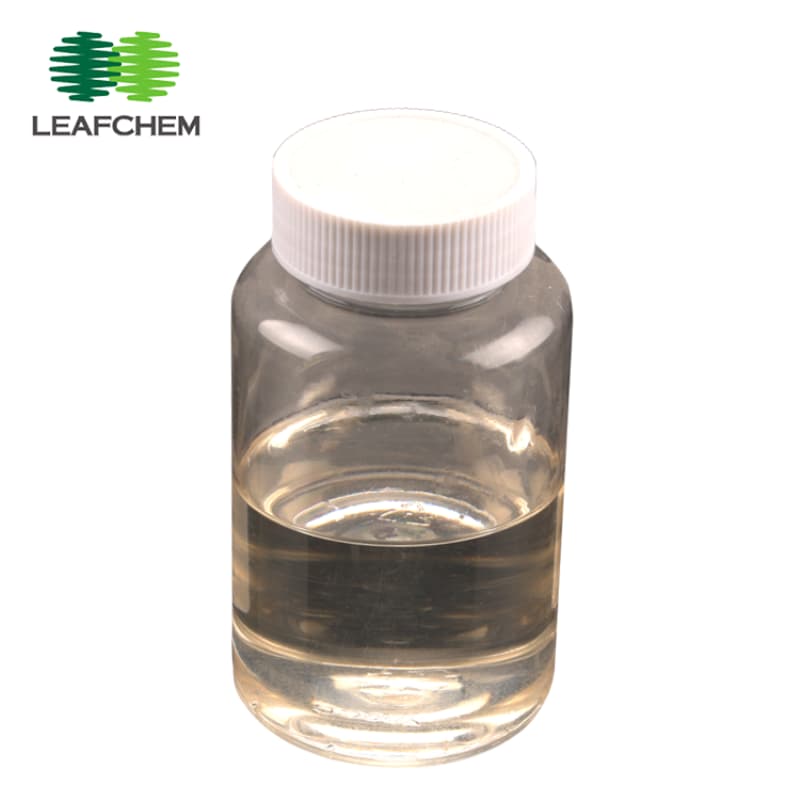
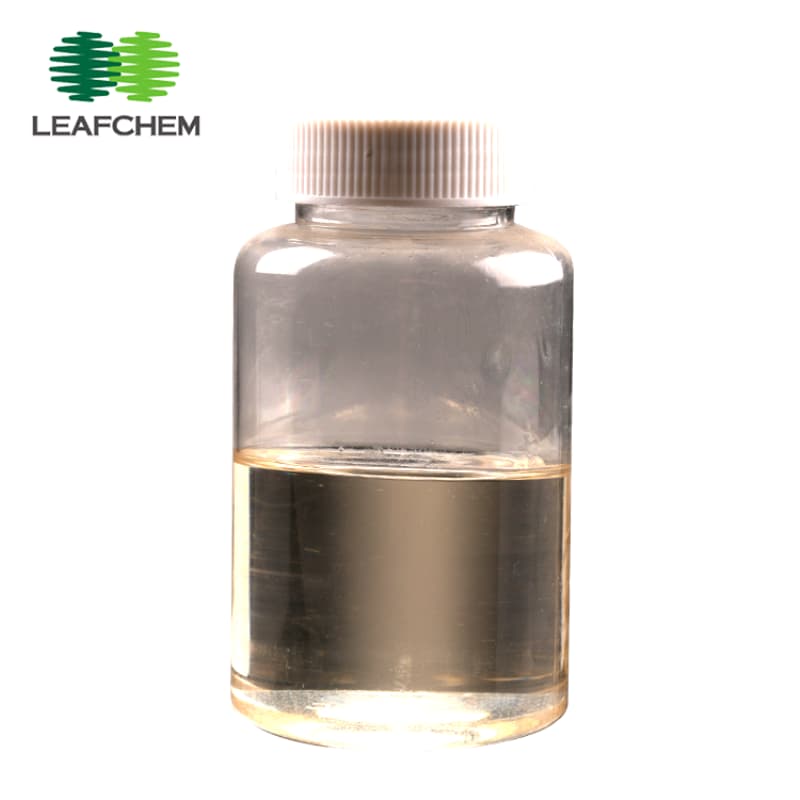
Lactic Acid 88% (CAS 50-21-5) is a high-purity organic acid from biological fermentation, a colorless/slightly yellow clear viscous liquid with natural sourness, strong bacteriostatic, moisturizing and chelating properties. As a versatile platform compound, it’s a core raw material for food & beverage (acidulant), cosmetics (humectant), biodegradable plastics (PLA monomer) and eco-friendly cleaners. We supply food/industrial-grade variants with stable stock and professional technical support.
Item No :
LEAFCHEM053Order(MOQ) :
100kgsProduct Origin :
ChinaColor :
Colorless or slightly yellowShipping Port :
Shanghai, ChinaLead Time :
2-3 weeksWeight :
25kgCas No. :
50-21-5Molecular Formula :
C₃H₆O₃Appearance :
Colorless or slightly yellow clear syrupy viscous liquidAssay :
≥ 88.0%Application :
Biodegradable Plastics (Core) Food & Beverage Cosmetics Industry & Pharma
This product is an 88% high-concentration aqueous solution of L-Lactic Acid (C₃H₆O₃, CAS 50-21-5). A naturally occurring organic acid, lactic acid is mass-produced via fermentation. This product presents as a colorless or slightly yellow clear syrupy liquid with a mild odor and pure sour taste. As a GRAS (Generally Recognized As Safe) versatile raw material, it is widely applied in food & beverage, biodegradable materials, cosmetics and industrial cleaning fields, and serves as a key platform compound integrating high efficacy with green sustainability.
Core Advantages
Technical Specifications
| Item | Specification | Test Method /Remarks |
| Assay (as C₃H₆O₃) | ≥ 88.0% | Titration method |
| Appearance | Colorless or slightly yellow clear viscous liquid | Visual inspection |
| Color (Platinum-Cobalt) | ≤ 50 Hazen | Colorimetric method |
| Chlorides (as Cl⁻) | ≤ 0.002% | Turbidimetric method |
| Sulfates (as SO₄²⁻) | ≤ 0.005% | Turbidimetric method |
| Iron (as Fe) | ≤ 0.001% | Turbidimetric method |
| Residue on lgnition | ≤ 0.1% | Gravimetric ignition method |
| Heavy Metals (as Pb) | ≤ 0.001% | Colorimetric method/Atomic Absorption Spectroscopy(AAS) |
| Arsenic (As) | ≤ 0.0001% | Arsenic Spot Method |
Key Application Fields
Food & Beverage Industry (Core Application)
Acidulant & Preservative: Used in yogurt, cheese, kimchi, pickled vegetables, beverages, candies, etc., to provide a mild sour taste and extend shelf life.
Flour Improver: Adjusts pH and improves the rheological properties of dough.
Personal Care & Cosmetics
Humectant & pH Regulator: Used in lotions, creams, shampoos, etc., and is a component of NMF (Natural Moisturizing Factor).
Mild Exfoliant: As an AHA (Alpha Hydroxy Acid), it is applied in chemical exfoliation to improve skin texture.
Industry & Emerging Sectors
Biodegradable Plastics: The sole monomer raw material for producing PLA (Polylactic Acid), used in eco-friendly packaging, fibers and 3D printing materials.
Eco-Friendly Cleaners: Used in descaling agents and metal cleaning agents, featuring mild acidity and biodegradability.
Pharmaceutical Industry: Serves as a pH regulator and chemical intermediate.
Other Sectors
Leather tanning agents, tobacco humectants, feed acidifiers, etc.
FAQ :Lactic Acid 88%
Q: What is the key difference between Lactic Acid 88% and 80%?
A: The core differences lie in concentration, efficacy and application orientation, with both being bio-fermented and GRAS-compliant:
Lactic Acid 88%: Higher concentration, stronger bacteriostasis/chelation, milder odor and purer sour taste, suitable for high-efficiency scenarios (PLA monomer production, high-concentration food acidulants, industrial strong chelating cleaners);
Lactic Acid 80%: Better water miscibility and process flexibility, milder acidity, suitable for high water-content formulations (beverage pH adjustment, cosmetic mild moisturizing, water-based cleaning agents).
The two can be mutually adjusted by dilution/concentration according to production needs, with consistent quality control standards.
Q: What is the purity and quality standard of your Lactic Acid 88%?
A: Our Lactic Acid 88% covers food-grade and industrial-grade specifications, all meeting international and national standards, with Assay (as C₃H₆O₃) ≥88.0% tested by titration method. Key quality indicators: Color (Pt-Co) ≤50 Hazen, Chlorides ≤0.002%, Heavy Metals (as Pb) ≤0.001%, Arsenic (As) ≤0.0001%, Residue on Ignition ≤0.1%. Food-grade products comply with FDA/GB food safety standards, and industrial-grade products meet PLA production and industrial cleaning technical requirements.
Q: What are the core application fields of Lactic Acid 88%?
A: Relying on high-concentration and high-efficiency characteristics, it is widely used in four high-value fields, as the core raw material for PLA biodegradable plastics:
Biodegradable Plastics (Core Field): The sole monomer raw material for polylactic acid (PLA) production, applied in eco-friendly packaging, biodegradable fibers, 3D printing materials and disposable biodegradable products;
Food & Beverage Industry: High-concentration acidulant/preservative for yogurt, pickled vegetables, condiments, candy and functional beverages, providing pure sour taste and extending shelf life; also as a flour improver to adjust dough pH and optimize rheological properties;
Cosmetics & Personal Care: High-efficiency humectant/pH regulator for high-grade creams, serums and facial masks (as a component of natural moisturizing factor NMF); mild AHA exfoliant for skin rejuvenation formulations;
Industry & Pharmaceutical: Eco-friendly strong chelating agent/descaling agent for industrial metal cleaning and pipeline scale removal; pH regulator and chemical intermediate for pharmaceutical production; also used in leather tanning and feed acidification with high efficiency.
Q: What is the recommended dosage of Lactic Acid 88% in different fields?
A: Due to its high concentration, the dosage is lower than 80% lactic acid, and can be adjusted according to actual formulation/production needs (comply with local regulatory standards):
Food & Beverage: 0.05%–0.8% (acid adjustment/sour taste enhancement);
Cosmetics: 0.3%–2.0% (moisturizing/pH adjustment/exfoliation);
PLA Production: Customized ratio according to polymerization process (provided with technical support);
Industrial Cleaning/Pharmaceuticals: 0.8%–4.0% (chelating/descaling/pH adjustment).
Q: Is Lactic Acid 88% compatible with common raw materials, and what are the application notes?
A: Yes. It has excellent compatibility with most water-based/oil-based raw materials, including humectants (glycerin, propylene glycol), thickeners (xanthan gum, carbomer), surfactants and PLA polymerization auxiliaries.
Key Notes: 1. Avoid large-scale mixing with strong alkaline raw materials (will neutralize acidity and reduce bacteriostatic/chelating efficacy); 2. Dilute with deionized water first when used in low-concentration formulations to ensure uniform mixing; 3. Food-grade and industrial-grade products are used separately, and food-grade raw materials must be used for food/cosmetic production.
Q: Is Lactic Acid 88% easy to operate in industrial production lines?
A: Yes. It is a liquid raw material with good fluidity, no need for melting/dissolving steps, and easy to realize automatic metering, mixing and conveying in production lines, with high process compatibility. It can be directly added to formulations under normal temperature and pressure, and is suitable for large-scale continuous production (e.g., PLA polymerization, food beverage batch production).



leave a message


 IPv6 network supported