
Leave A Message
If you are interested in our products and want to know more details,please leave a message here,we will reply you as soon as we can.

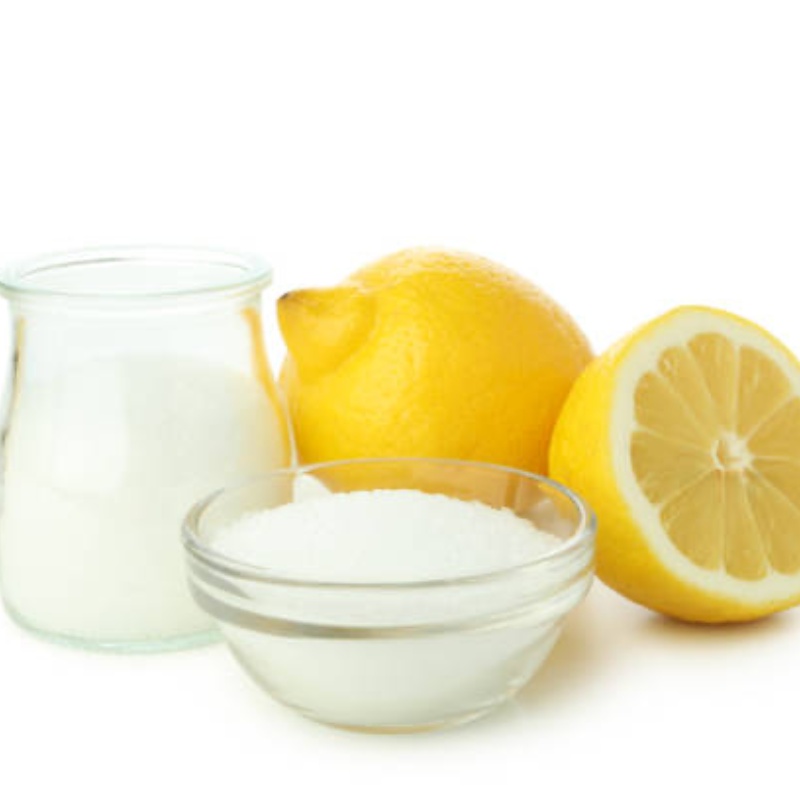
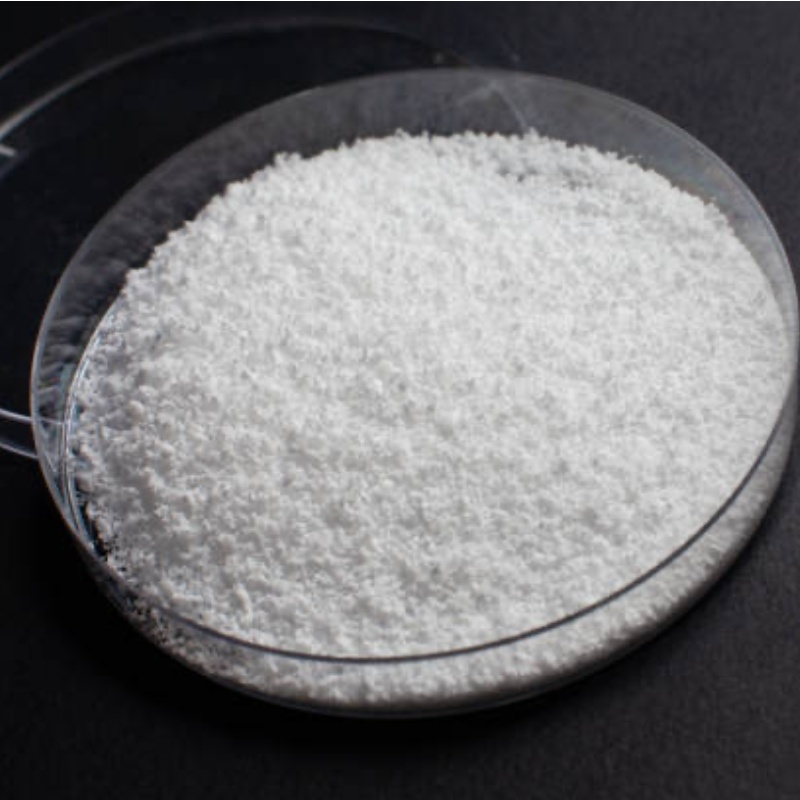
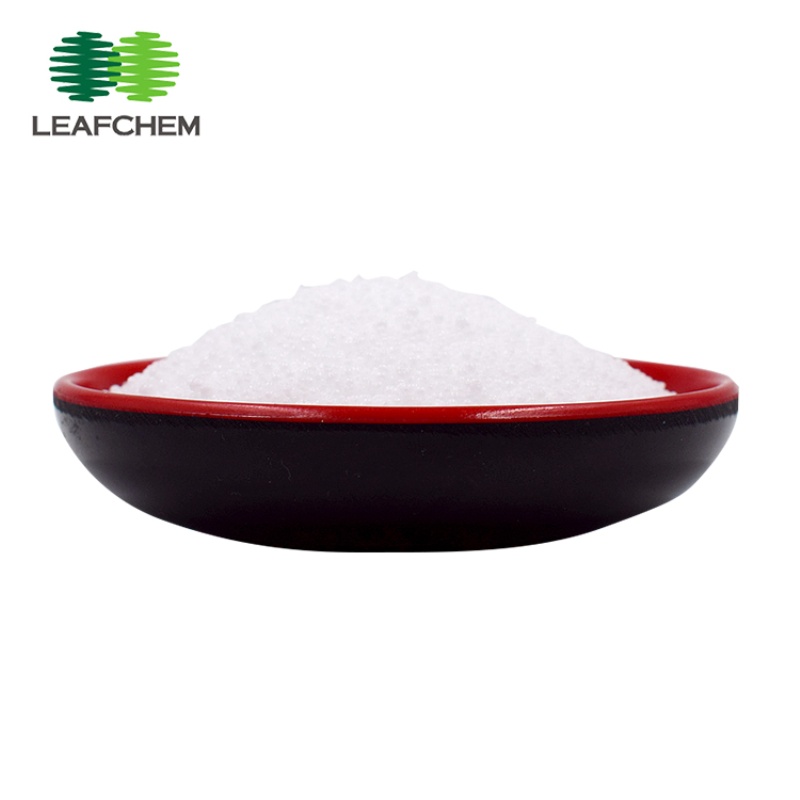
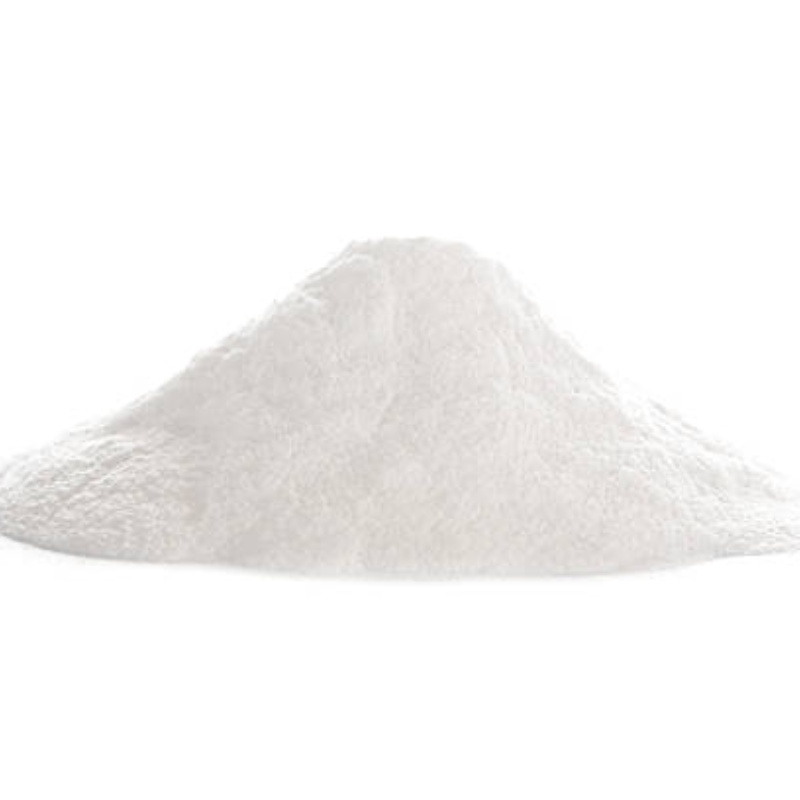
Calcium Lactate is a compound of lactic acid and calcium with the molecular formula C₆H₁₀CaO₆, and it commonly exists in the form of pentahydrate (C₆H₁₀CaO₆·5H₂O). Its CAS number is 814-80-2 (for the anhydrous form). It appears as a white to off-white crystalline powder or granule, odorless or with a slight characteristic odor. As an organic calcium salt, it features good solubility (especially in hot water) and extremely high bioavailability, along with a mild taste and no bitter or astringent notes. It is widely used as a dietary calcium fortifier, nutritional supplement, acidity regulator and stabilizer, and is ideal for foods, health products and pharmaceuticals with stringent taste requirements.
Item No :
LEAFCHEM053Order(MOQ) :
100kgsProduct Origin :
ChinaColor :
White to off-whiteShipping Port :
Shanghai, ChinaLead Time :
2-3 weeksWeight :
25kgCas No. :
Anhydrous: C₆H₁₀CaO₆; Pentahydrate (Main Spec): C₆H₁₀CaO₆·5H₂OMolecular Formula :
C₃H₆O₃Appearance :
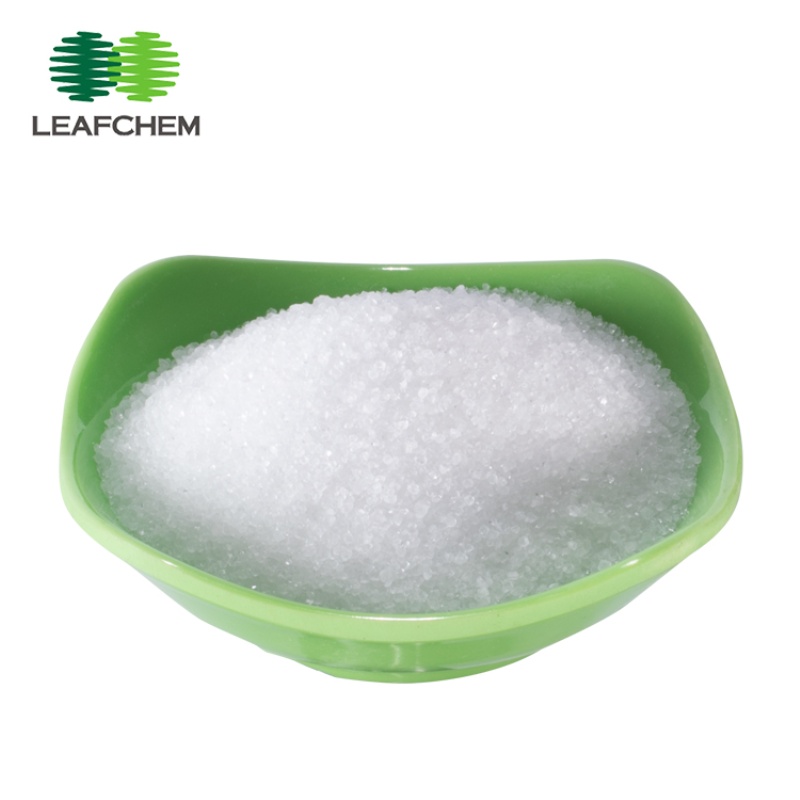
White to off-white crystalline powder or granules, odorless or with a slight characteristic odorAssay :
Pentahydrate: 12.0% - 13.5% (EDTA Titration Method); Anhydrous: ≥27.0% (EDTA Titration Method)Application :
Nutritional Supplements & Health Food Food & BeveragePharmaceutical Industry Anti-sensitive ingredient for toothpaste, calcium nutritional preservative for fruit & vegetable post-harvest treatment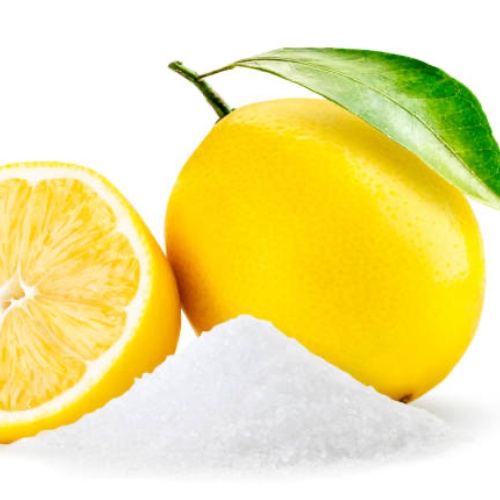
Calcium Lactate (CAS 814-80-2) is a high-bioavailability organic calcium salt, appearing as white powder or granule. Famed for neutral taste, high absorption and low gastrointestinal irritation, it’s an ideal calcium fortifier and functional ingredient for premium nutritional supplements, food & beverages (juices, milk powder) and the pharmaceutical industry. As a manufacturer, we provide stable food-grade to pharmaceutical-grade supply, empowering the development of more absorbable, better-tasting calcium-fortified products.
Core Advantages
Technical Specifications
| Item | Specification | Test Method /Remarks |
| Appearance | White to off-white powder or granules | Visual inspection |
| Calcium (Ca) Content (on dry basis) | ≥ 12.0%-13.5%(Pentahydrate) | EDTA Titration Method |
| Moisture | ≤ 24.0%-30.0% (for Pentahydrate) | Karl Fischer Method or Loss on Drying Method |
| pH Value (10% aqueous solution) | 6.0-8.0 | Potentiometric Method |
| Water Insoluble Matter | ≤ 0.1% | Gravimetric Filtration Method |
| Heavy Metals (as Pb) | ≤ 10 mg/kg | Atomic Absorption Spectroscopy (AAS) |
| Arsenic (As) | ≤ 2 mg/kg | Arsenic Spot Method or Atomic FluorescenceSpectroscopy(AFS) |
| Lead (Pb) | ≤ 3 mg/kg | Atomic Absorption Spectroscopy (AAS) |
Key Application Fields
Nutritional Supplements & Health Food:
Core Application: An ideal calcium source for calcium-fortified products such as calcium tablets, capsules, granules and oral liquids, featuring high absorbability and good gastrointestinal tolerability.
It is formulated into foods for specific populations with increased calcium requirements, including pregnant women, children, and the elderly.
Food & Beverage Industry:
Calcium Fortification: Added to fruit juices, plant protein beverages, milk powder, soymilk, breakfast cereals, etc., for high calcium labeling claims.
Acidity Regulation & Coagulation: Used as a coagulant in jelly and gel candies, or as a dough modifier in baked foods.
Flavor Retention: With a neutral taste, it is widely applied in premium foods that require calcium fortification without compromising the original flavor.
Pharmaceutical Industry:
Serves as a calcium supplement or pharmaceutical excipient in pharmaceutical preparations.
Other Sectors:
Toothpaste Industry: Used as an anti-sensitive ingredient or abrasive modifier in toothpaste formulations.
Agriculture: Applied as a calcium nutritional preservative for the post-harvest treatment of fruits and vegetables.
FAQ :Calcium Lactate
Q: What is Calcium Lactate, and what are its core characteristics?
A: Calcium Lactate (CAS 814-80-2, molecular formula C₆H₁₀CaO₆) is a high-bioavailability organic calcium salt, usually existing as pentahydrate. It is a white to off-white crystalline powder/granule with neutral taste, no bitter or astringent notes, and low gastrointestinal irritation. Its core advantages are high absorption rate, good solubility, stable performance and wide compatibility, making it an ideal calcium fortifier and functional ingredient for food, health supplements and pharmaceuticals.
Q: What is the key difference between Calcium Lactate and other calcium sources (e.g., calcium carbonate, calcium citrate)?
A: The core differences lie in absorption rate, taste and gastrointestinal tolerance, as shown in the key comparison:
Calcium Lactate: Organic calcium, high bioavailability, mild in the human body, low irritation, neutral taste, no impact on food flavor, suitable for taste-sensitive products and long-term calcium supplementation;
Calcium Carbonate: Inorganic calcium, high calcium content but low absorption rate, easy to cause stomach acid discomfort, with obvious bitter taste, suitable for low-cost calcium-fortified products;
Calcium Citrate: Organic calcium, moderate absorption rate, good solubility, but high cost, suitable for high-end small-batch formulations.
Q: What are the main specifications of your Calcium Lactate (pentahydrate/anhydrous)?
A: We provide food-grade and pharmaceutical-grade Calcium Lactate, mainly including pentahydrate (the most common) and anhydrous specifications, with core indicators complying with international and national standards:
Pentahydrate: Ca content (on dry basis) 12.0%-13.5%, moisture 24.0%-30.0%, pH (10% aqueous solution) 6.0-8.0, the most cost-effective and widely used;
Anhydrous: Higher Ca content (≥27.0%), low moisture, suitable for water-sensitive formulations (e.g., dry solid beverages, powder health supplements).
Both specifications have strict control over heavy metals (Pb ≤3 mg/kg) and arsenic (As ≤2 mg/kg).
Q: Why is Calcium Lactate suitable for long-term calcium supplementation for special populations?
A: As an organic calcium salt combined with lactic acid (a natural component of the human body), it is absorbed in the small intestine without relying on a lot of stomach acid, and has low gastrointestinal irritation. It is suitable for calcium supplementation of pregnant women, children, the elderly, and people with weak gastrointestinal function, and the neutral taste makes it easy to be accepted by all age groups.
Q: What are the core application fields of Calcium Lactate, and what are the recommended addition amounts?
A: It is a multi-functional calcium raw material with wide applications in four major fields, and the recommended addition amount (based on pentahydrate, subject to actual formulation needs and local regulatory standards):
Nutritional Supplements & Health Food: 5%-30% of the total formula (calcium tablets/capsules/granules/oral liquids); 1%-5% for formula food for specific populations (pregnant women/children/elderly);
Food & Beverage: 0.1%-2% for fruit juices/plant protein beverages/milk powder/breakfast cereals (for high calcium labeling); 0.5%-3% for jelly/gel candies (coagulant) and baked foods (dough modifier);
Pharmaceutical Industry: 2%-10% as calcium supplement in pharmaceutical preparations; appropriate amount as pharmaceutical excipient (pH regulator/stabilizer);
Other Sectors: 1%-5% in toothpaste (anti-sensitive ingredient/abrasive modifier); 0.05%-0.5% in agricultural post-harvest treatment (calcium nutritional preservative for fruits and vegetables).
Q: Is Calcium Lactate compatible with common raw materials in food/health supplement formulations?
A: Yes. It has excellent compatibility with most food/health supplement raw materials, including vitamins (vitamin D/C, which can promote calcium absorption), carbohydrates (sucrose, maltodextrin), sugar alcohols (xylitol, sorbitol), thickeners (xanthan gum, carrageenan) and plant extracts.
Key Note: Avoid long-term mixing with strong alkaline raw materials in large quantities (will affect solubility and calcium stability); it is recommended to add vitamin D in the formula to further improve calcium absorption rate.



leave a message



 IPv6 network supported