
Leave A Message
If you are interested in our products and want to know more details,please leave a message here,we will reply you as soon as we can.

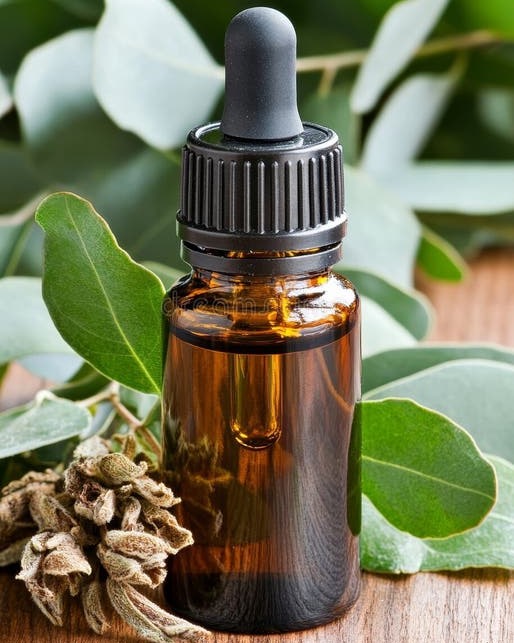
Eucalyptus Oil (Eucalyptus Globulus Leaf Oil) | CAS 8000-48-4 | 1,8-Cineole ≥ 80%
Order(MOQ) :
500kgsProduct Origin :
ChinaColor :
Colorless to pale yellowShipping Port :
Shanghai, ChinaLead Time :
2-3 weeksWeight :
25kgCas No. :
8000-48-4Molecular Formula :
C₁₀H₁₈O (1,8-cineole)Appearance :
Colorless to pale yellow transparent liquid with 1,8-cineole odorAssay :
1,8-Cineole ≥ 80.0%Application :
Personal care, pharmaceuticals, household, food & flavors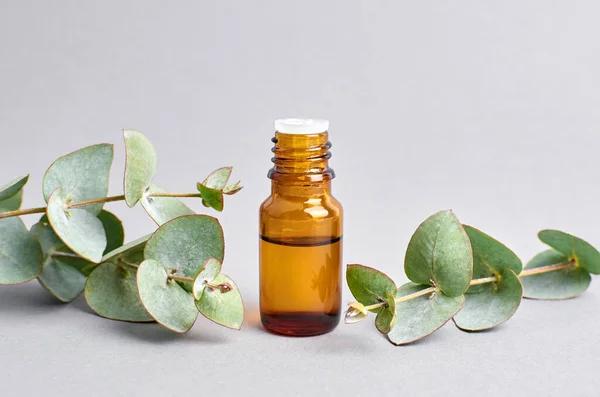
Eucalyptus Oil (INCI Name: Eucalyptus Globulus Leaf Oil, CAS 8000-48-4) is a natural volatile essential oil extracted by steam distillation from the fresh leaves and branches of eucalyptus trees. It appears as a colorless to pale yellow transparent liquid with a characteristic cooling and refreshing 1,8-cineole aroma.
Its principal active ingredient is 1,8-cineole (eucalyptol, C₁₀H₁₈O); our standard grade contains ≥ 80.0% 1,8-cineole, verified by COA on every batch. Beyond eucalyptol, the oil naturally contains α-pinene, limonene and other terpenoid compounds that act synergistically.
With its cooling sensation, antimicrobial activity and natural insect-repellent properties, eucalyptus oil is a versatile botanical ingredient across personal care, pharmaceutical, household and flavor applications.
As a professional source manufacturer, we supply eucalyptus oil meeting pharmaceutical, cosmetic and food-grade requirements, with stable bulk capacity, complete documentation and factory-direct pricing.
Core Advantages
1. Standardized High 1,8-Cineole Content
Guaranteed ≥ 80.0% 1,8-cineole (eucalyptol), the key bioactive compound responsible for the oil’s therapeutic and functional properties.
2. Multi-Target Natural Activity
Expectorant and respiratory support, antibacterial and anti-inflammatory, cooling and analgesic, and natural insect repellency — supported by long-standing use and clinical evidence.
3. Versatile Across Industries
A single natural ingredient that performs in personal care, pharmaceuticals, household products and food flavors.
4. Consistent Quality with Full Documentation
Every batch is tested for cineole content, relative density, refractive index, optical rotation and solubility, with a COA available for every shipment.
Technical Specifications
|
Item |
Specification (Standard) |
Typical Result (per COA) |
|
Product Name |
Eucalyptus Oil (Eucalyptus Globulus Oil) |
— |
|
CAS Number |
8000-48-4 |
Key identifier |
|
Appearance |
Colorless to pale yellow transparent liquid |
Pass |
|
Odor |
1,8-cineole odor |
Pass |
|
Relative Density (20 °C) |
0.904–0.925 |
0.912 |
|
Refractive Index (20 °C) |
1.4580–1.4700 |
1.4612 |
|
Optical Rotation (20 °C) |
−10° to +10° |
−4.0° |
|
Solubility (20 °C, 70% ethanol) |
1:5 (V/V) |
Dissolved |
|
1,8-Cineole Content (%) |
≥ 80.0 |
80.4 |
Key Application
Toothpastes, mouthwashes, soaps, anti-dandruff shampoos, insect-repellent lotions and cooling body-care products.
Cough syrups, inhalants, throat lozenges and topical analgesic preparations (5%–20% in ointments and liniments).
Natural disinfectant cleaners, air fresheners, scented candles and insect repellents.
A GRAS-listed flavoring agent (FEMA No. 2466) used in candies, chewing gum, beverages and baked goods for its distinctive cooling note.
FAQ:
1. What is Cetearyl Alcohol?
Cetearyl Alcohol is a blended fatty alcohol composed of cetyl alcohol (C₁₆H₃₄O) and stearyl alcohol (C₁₈H₃₈O), appearing as a white waxy solid, flakes or pellets with a slight characteristic odor. It is one of the most classic and widely used basic raw materials in the cosmetics and personal care industry.
2. What are the core functions of Cetearyl Alcohol?
It serves multiple key roles in formulations:
Thickener: Significantly boosts the viscosity of emulsions and creams to enhance product texture and body.
Emulsion Stabilizer: Stabilizes oil-in-water (O/W) emulsions, preventing phase separation and improving long-term stability.
Emollient: Forms a breathable protective film on skin, delivering soft, smooth, and moisturized sensory feel.
Hair Conditioner: Improves hair combability, reduces static/frizz, and adds shine to hair strands.
3. How does Cetearyl Alcohol differ from similar ingredients?
vs. Pure Cetyl/Stearyl Alcohol: It is a balanced blend, offering a moderate melting point (48–52°C) and texture, while pure cetyl alcohol is more liquid and stearyl alcohol is more solid.
vs. Ceteareth-20/25: Ceteareth-20/25 are ethoxylated fatty alcohols (non-ionic emulsifiers) with higher HLB values for O/W emulsification. Cetearyl Alcohol acts as a co-emulsifier, thickener, and emollient to enhance stability and sensory properties, rather than being a primary emulsifier.
4. Is Cetearyl Alcohol safe for sensitive skin and baby products?
Yes. The CIR (Cosmetic Ingredient Review) Expert Panel has confirmed its safe use in cosmetics. It has extremely low skin irritation and is non-sensitizing, making it ideal for sensitive skin, infant care, and hypoallergenic formulations.
5. Will Cetearyl Alcohol dry out skin like ethanol?
No. It is a long-chain fatty alcohol, not the short-chain ethanol (drinking alcohol) that causes dryness. Instead, it acts as an emollient to lock in moisture, reduce transepidermal water loss (TEWL), and keep skin soft and hydrated.



leave a message





 IPv6 network supported