Leave A Message
If you are interested in our products and want to know more details,please leave a message here,we will reply you as soon as we can.

Allantoin (CAS 97-59-6) Cosmetic Grade – Bulk Supply for Skincare Formulations
Item No :
AllantoinOrder(MOQ) :
100kgsProduct Origin :
ChinaColor :
White to colorlessShipping Port :
Shanghai, ChinaLead Time :
2-3 weeksWeight :
25kgCas No. :
97-59-6Molecular Formula :
C₄H₆N₄O₃Appearance :
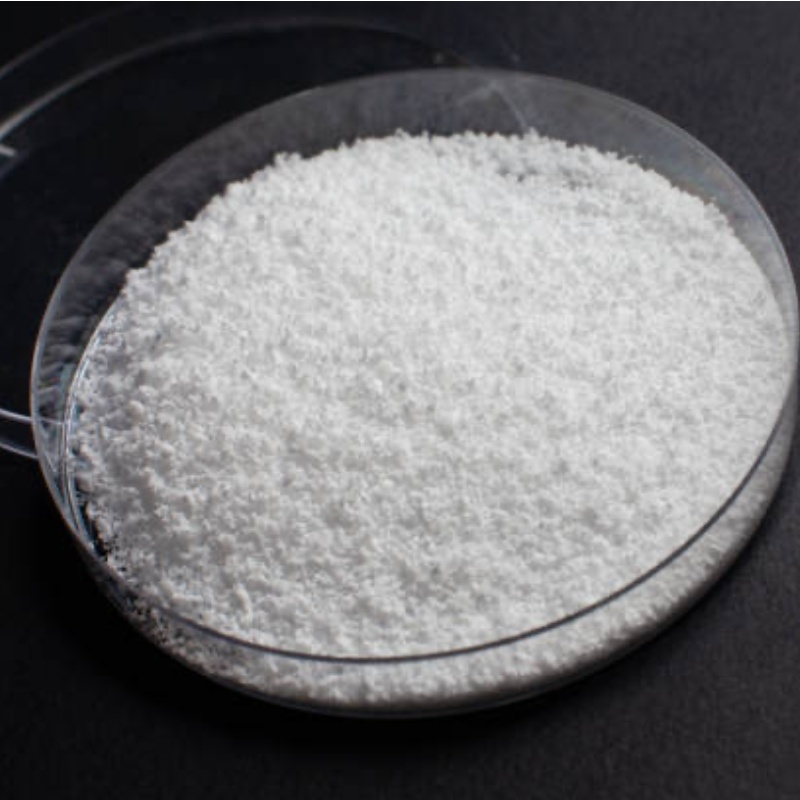
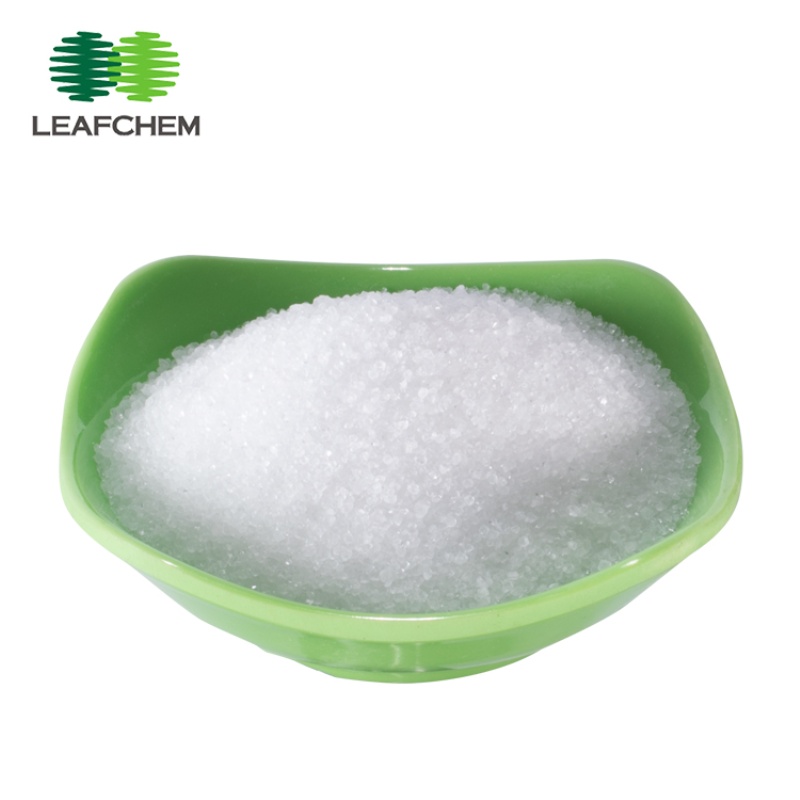
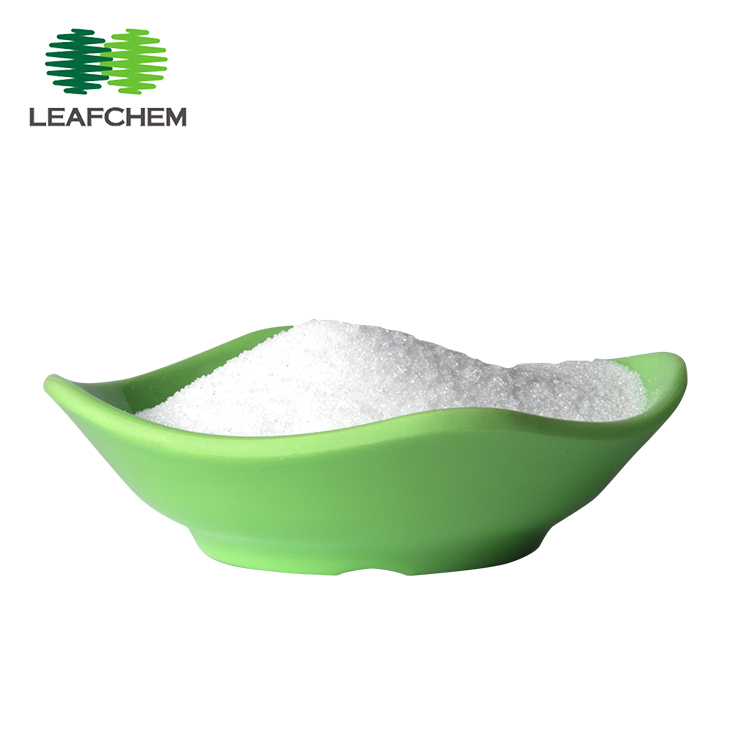
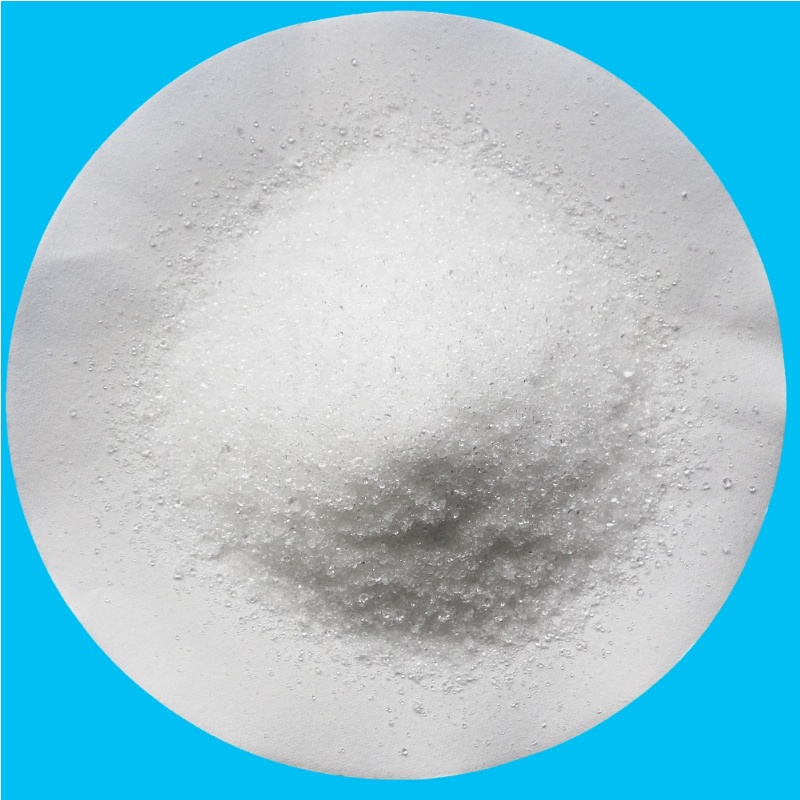
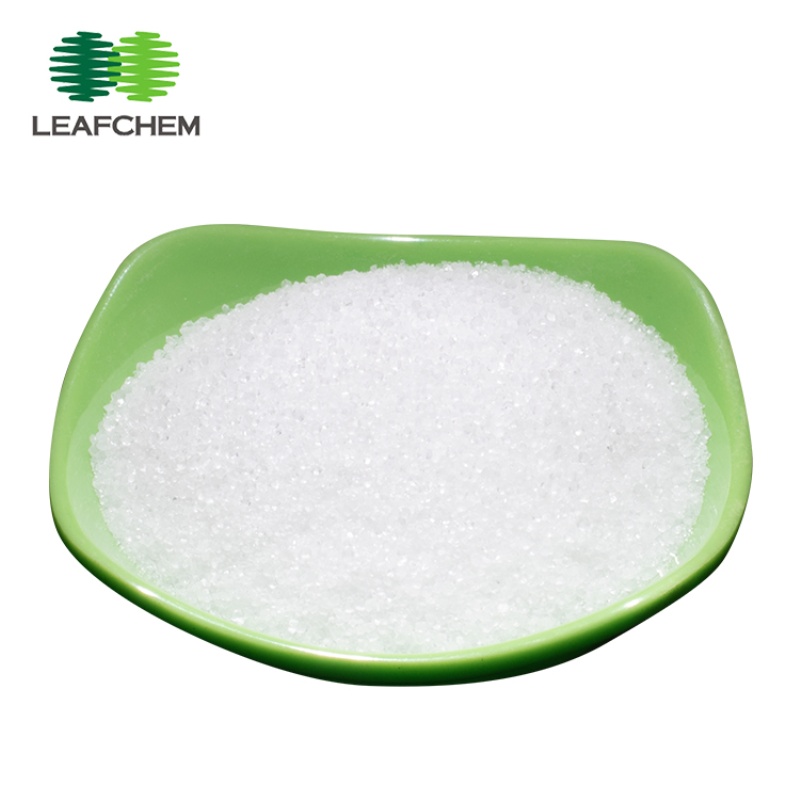
White crystalline powder, odorless and tasteless, uniform texture with no visible impuritiesAssay :
Assay (HPLC): ≥ 98.0% – 99.0% (compliant with USP23 standards)Application :
Pharmaceuticals Cosmetics & Personal Care Agriculture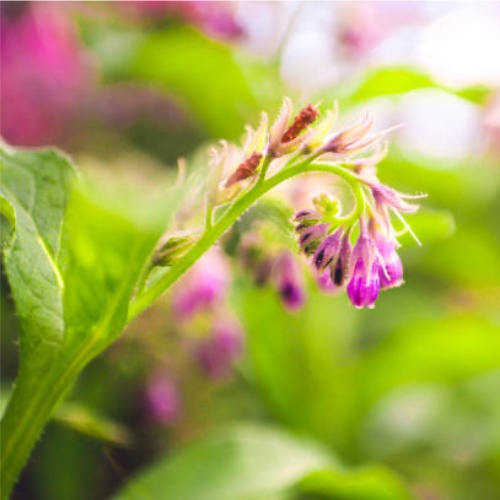
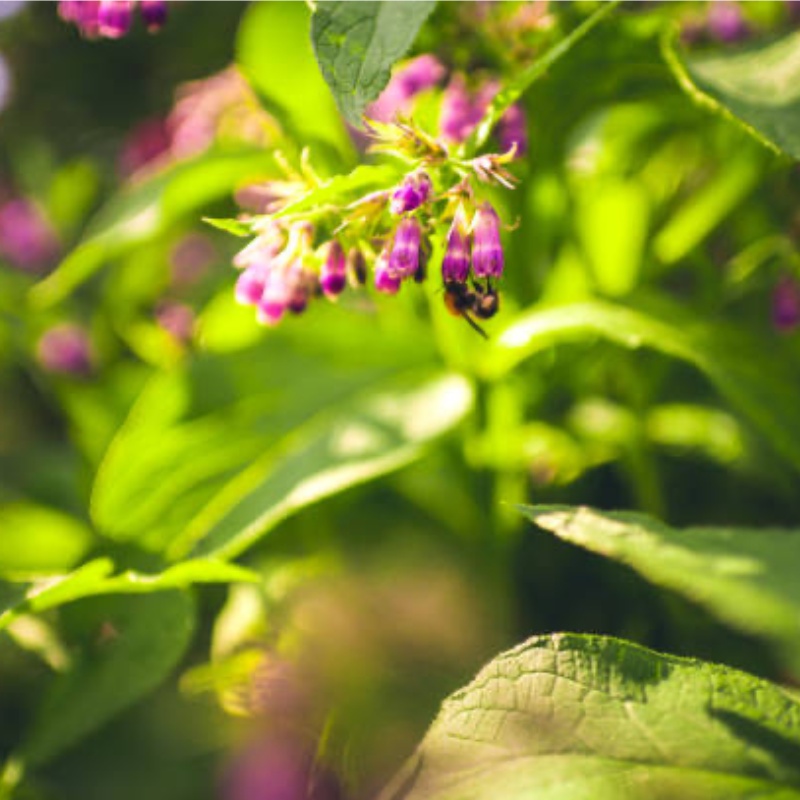
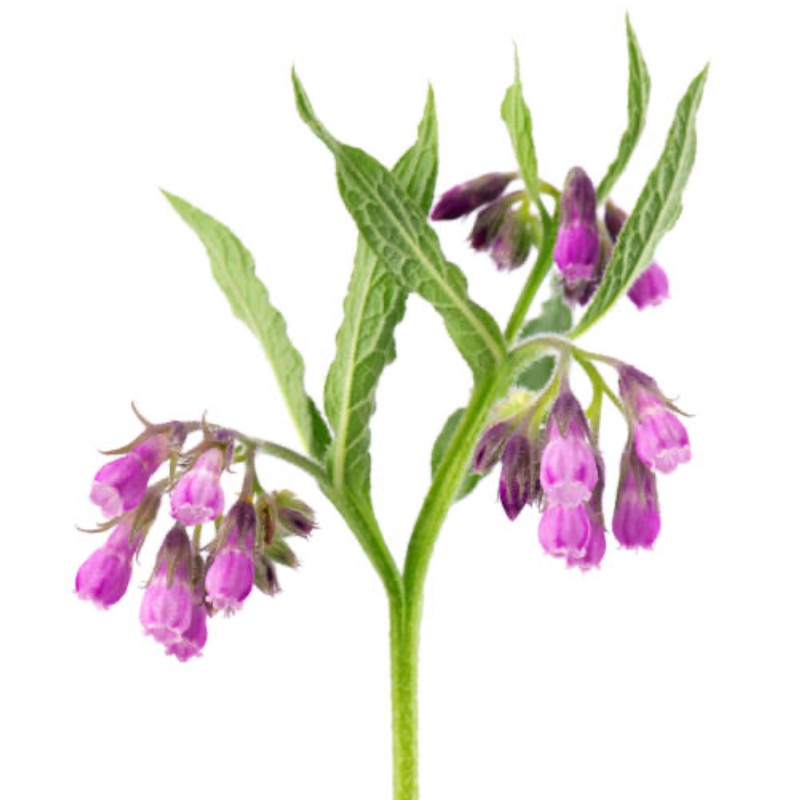
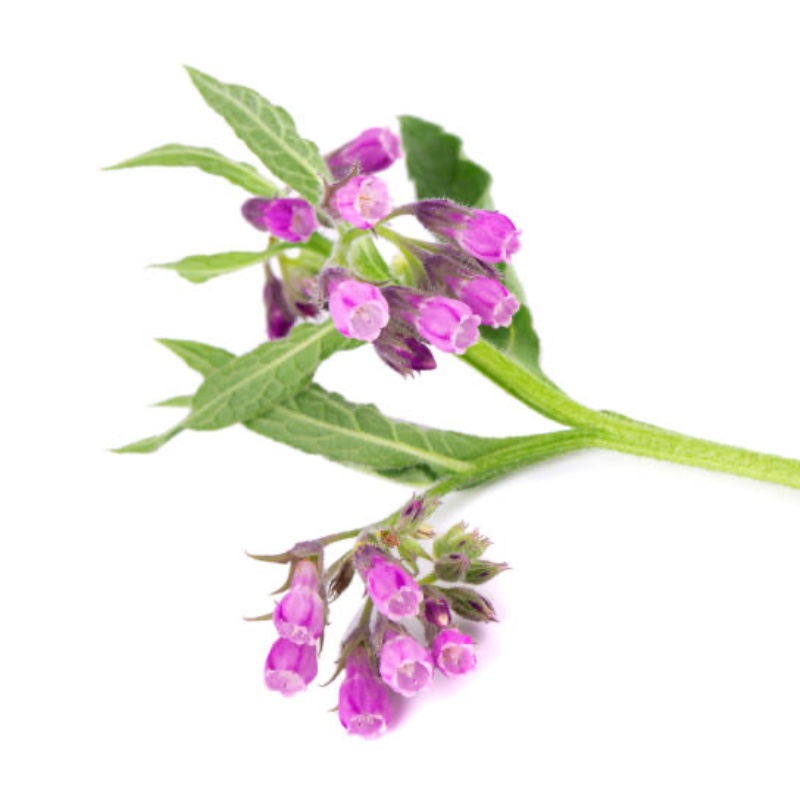
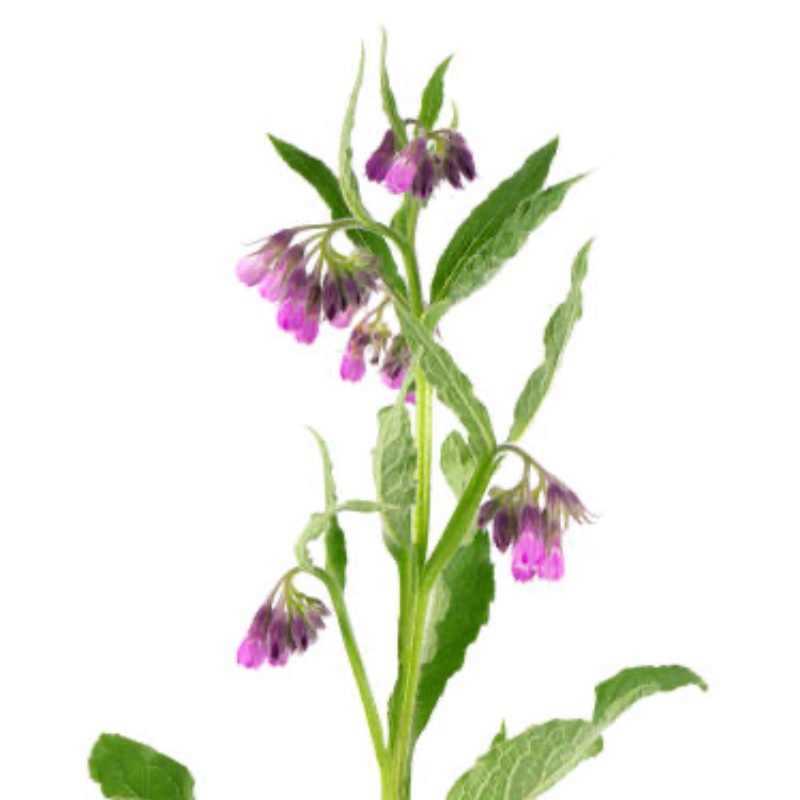
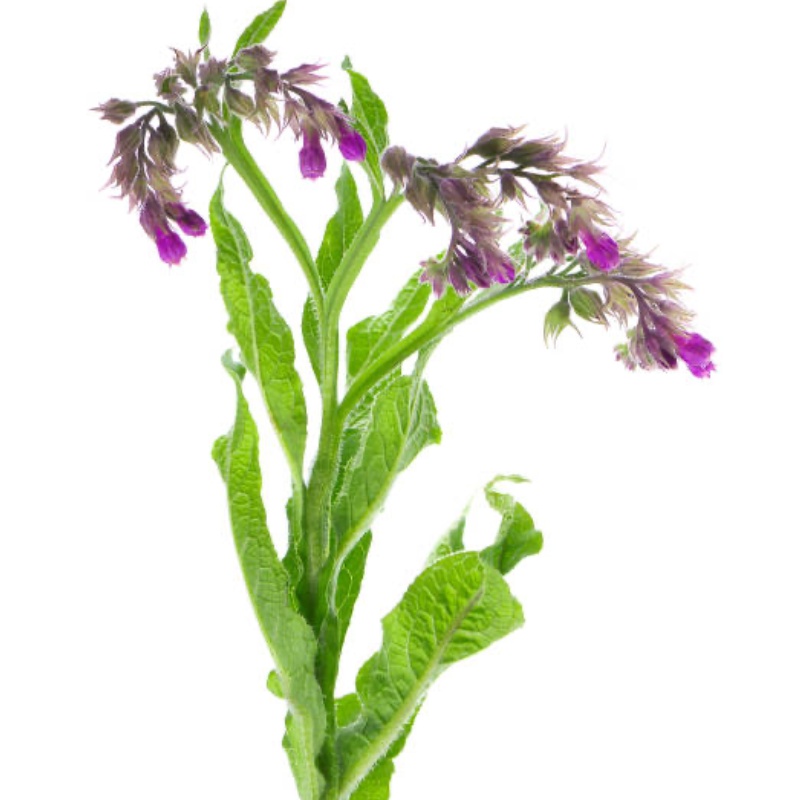
Allantoin (CAS 97-59-6) is a naturally occurring heterocyclic compound widely found in plants such as comfrey, chamomile and sugar beets, as well as in the urine of mammals.
As a globally recognized multifunctional active ingredient, allantoin has multiple effects including promoting cell regeneration, accelerating wound healing, softening keratin, and providing excellent moisturization and water retention.
The moisturizing and repairing effect of 0.2% allantoin is equivalent to that of 10–20% urea, while being completely non-irritating.
This product is a white crystalline powder, non-toxic, odorless, non-irritating and non-allergenic. It is widely used in pharmaceuticals (wound healing agents), cosmetics & personal care (moisturizing and repairing additives), and agriculture (plant growth regulators).
As a professional source manufacturer, we provide high-purity standardized allantoin products and support stable bulk supply for global industrial customers.
Core Advantages
Technical Specifications
| Item | Typical Specifications | Test Standard/Remarks |
| Product Name | Allantoin | Also known as Carbamidoallantoin, Imidazolidinedione, 5-Ureidohydantoin |
| CAS No. | 97-59-6 | Core product identification code |
| Molecular Formula | C₄H₆N₄O₃ | Molecular Weight: 158.12 |
| Appearance | White crystalline powder, odorless and tasteless | Crystallized from water as prismatic crystals or colorless crystalline powder |
| Assay (HPLC) | ≥ 98.0% – 99.0% | Compliant with USP23 standards |
| Melting Point | 226°C – 240°C | —— |
| Loss on Drying | ≤ 1.0% | —— |
| Loss on Drying | ≤ 5.0% | —— |
| Residue on Ignition |
≤ 0.1% |
—— |
| Heavy Metals (as Pb) |
≤ 10 ppm |
—— |
| pH Value (Saturated Solution) |
5.5 (0.6% aqueous solution) |
Stable in aqueous solutions at pH 4–9 |
| Solubility |
Stable in non-aqueous solvents and dry air; decomposes when boiled in strong alkaline solutions or exposed to sunlight |
—— |
| Packaging |
25 kg per fiber drum |
Store in a cool, dark place; shelf life: 2–3 years |
Key Application
1. Pharmaceutical Industry: Wound Healing & Anti-Ulcer Agents
Allantoin exhibits physiological functions including promoting cell growth, accelerating wound healing, and softening keratin, making it an excellent skin wound healing agent and anti-ulcer medication.
Topical Preparations: Used to treat dry skin, cracked hands and feet, ichthyosis, senile pruritus, skin ulcers, wounds, acne, and chilblains. It enhances the hygroscopic capacity of keratinocytes, softens keratin, and leaves skin smooth and supple.
Oral Preparations: Administered for gastritis, gastric and duodenal ulcers at a dosage of 30–120 mg per dose, three times daily.
Scar Treatment: Formulated with heparin sodium and onion extract for the management of hypertrophic scars and keloids, promoting wound healing and relieving itching.
2. Cosmetics & Personal Care: High-Efficiency Moisturizing & Repair Additive
As an amphoteric compound, allantoin forms double salts with various substances, offering light protection, antiseptic, analgesic, and antioxidant properties.
Moisture Retention: Boosts the hydration ability of the stratum corneum, reduces transepidermal water loss, and provides strong moisturization for cracked and rough skin. 0.2% allantoin matches the efficacy of 10–20% urea without irritation.
Keratin Softening: Directly acts on keratin to enhance water binding, loosening and exfoliating scales for smooth, flexible skin.
Tissue Repair: Stimulates cell proliferation, accelerates metabolism, and promotes epithelial regeneration.
Soothing & Anti-Irritation: Provides mild analgesic, anesthetic, and anti-irritant effects, neutralizing irritants and calming skin.
Product Applications: Widely used in freckle creams, acne lotions, shampoos, soaps, toothpastes, shaving creams, hair conditioners, astringents, and antiperspirant/deodorant washes. Allantoin-enriched hair creams and shampoos prevent split ends and breakage; lipsticks and creams with allantoin keep skin and lips soft and elastic.
3. Agricultural Sector: Plant Growth Regulator
Allantoin is an excellent plant growth regulator that stimulates plant growth, significantly increasing yields of wheat, citrus, rice, vegetables, soybeans, and other crops, while promoting fruit setting and early maturation.
4. Other Applications
Oral Care: Added to toothpastes to support oral health.
Biochemical Reagents: Used for content determination, identification, and pharmacological research.
FAQ :Allantoin
1. What is Allantoin?
Allantoin (CAS 97-59-6) is a natural heterocyclic compound widely found in plants and mammals. It is a safe, multifunctional active ingredient widely used in pharmaceuticals, cosmetics, personal care and agriculture, with effects of skin repair, moisturizing, soothing and anti‑irritation.
2. What are the main functions of Allantoin?
Promotes cell regeneration and accelerates wound healing
Softens keratin and improves rough, chapped skin
Enhances skin moisturization and reduces water loss
Soothes sensitive skin and relieves irritation
Helps repair damaged skin and reduce scarring
3. Is Allantoin safe for skin and human use?
Yes. Allantoin is non-toxic, odorless, non-irritating and non-allergenic.
It is well tolerated by most skin types, including sensitive skin, and has no obvious contraindications for pregnant women and children.
The recommended safe concentration in cosmetics and personal care is 0.5%–2%.
4. What is the difference between Allantoin and Urea?
0.2% Allantoin provides similar moisturizing and keratolytic effects as 10–20% Urea, but Allantoin is milder and non‑irritating, making it more suitable for sensitive, fragile and damaged skin.
5. What grades and specifications do you supply?
We offer cosmetic grade, pharmaceutical grade and agricultural grade Allantoin:
Assay: ≥98%, ≥99%
Appearance: white crystalline powder
Full COA is provided for every batch
6. What are the main applications of Allantoin?
Pharmaceuticals: wound healing, anti-ulcer drugs, scar gel, skin repair creams
Cosmetics: moisturizers, soothing creams, after-sun care, shampoo, lipsticks
Personal care: toothpaste, facial cleanser, hair care products
Agriculture: plant growth regulator to increase crop yield
7. Is Allantoin water soluble?
Allantoin is slightly soluble in water, but stable in solutions of pH 4–9.
We provide formulation suggestions to improve solubility and stability for creams, lotions and water-based products.
8. How should Allantoin be stored?
Allantoin is stable in dry air.
Store in a sealed, cool, dry and dark place.
Shelf life: 2–3 years under proper storage.
9. Can Allantoin be used with other cosmetic ingredients?
Yes, it is compatible with most ingredients.
But it is not recommended to use with strong exfoliants (salicylic acid, AHA, tretinoin) at the same time, as it may increase skin irritation.
10. Do you support bulk supply?
Yes. As a professional source manufacturer, we have mature production technology, stable large‑scale capacity and competitive factory prices. We support long‑term bulk supply for global customers.



leave a message


 IPv6 network supported