
Leave A Message
If you are interested in our products and want to know more details,please leave a message here,we will reply you as soon as we can.

Synthetic Camphor (CAS 76-22-2) Manufacturer | High Purity Powder Supply
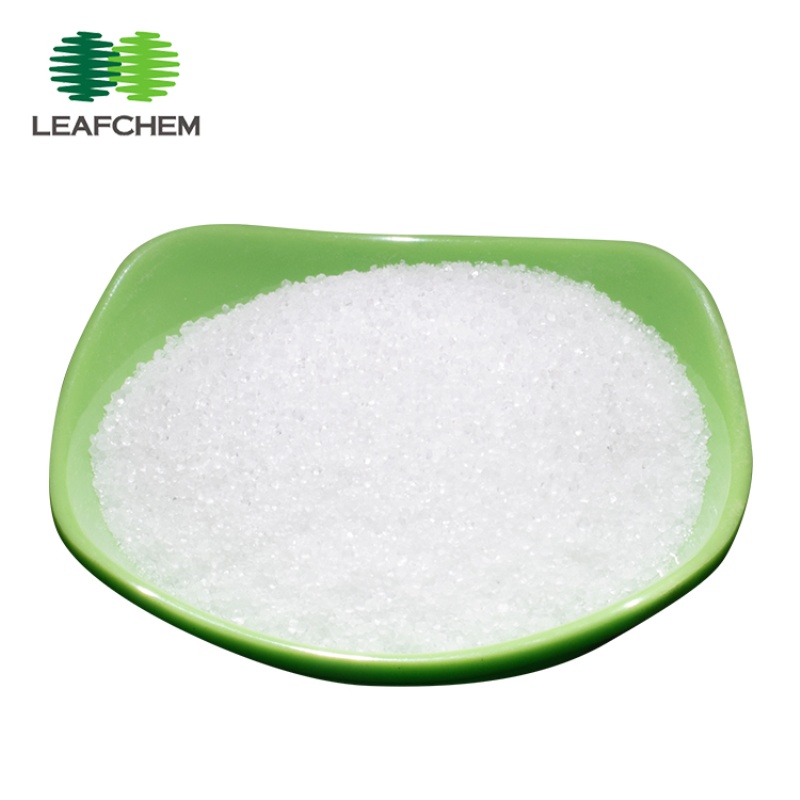
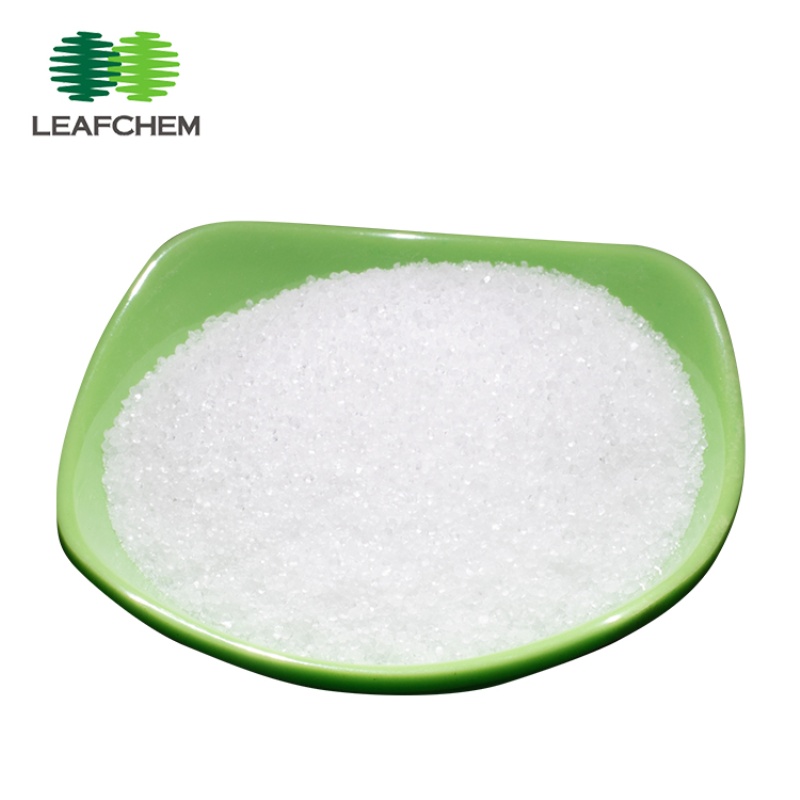
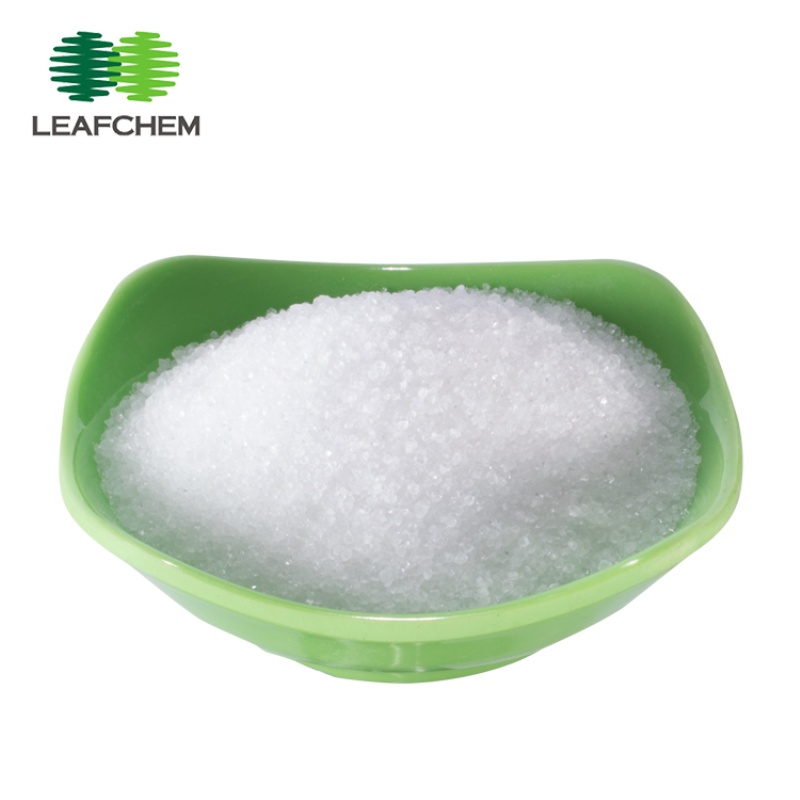
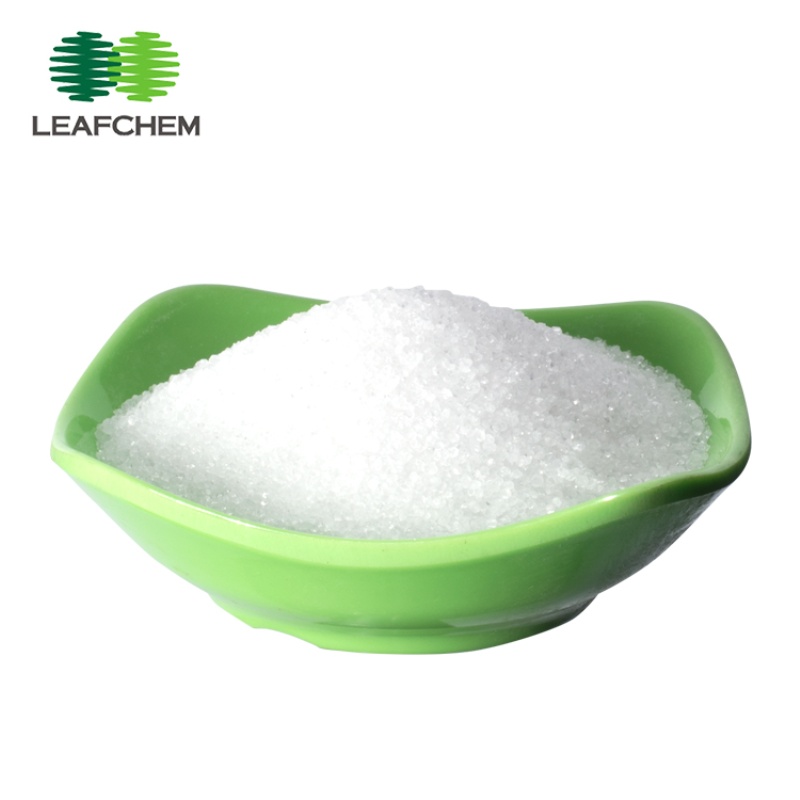
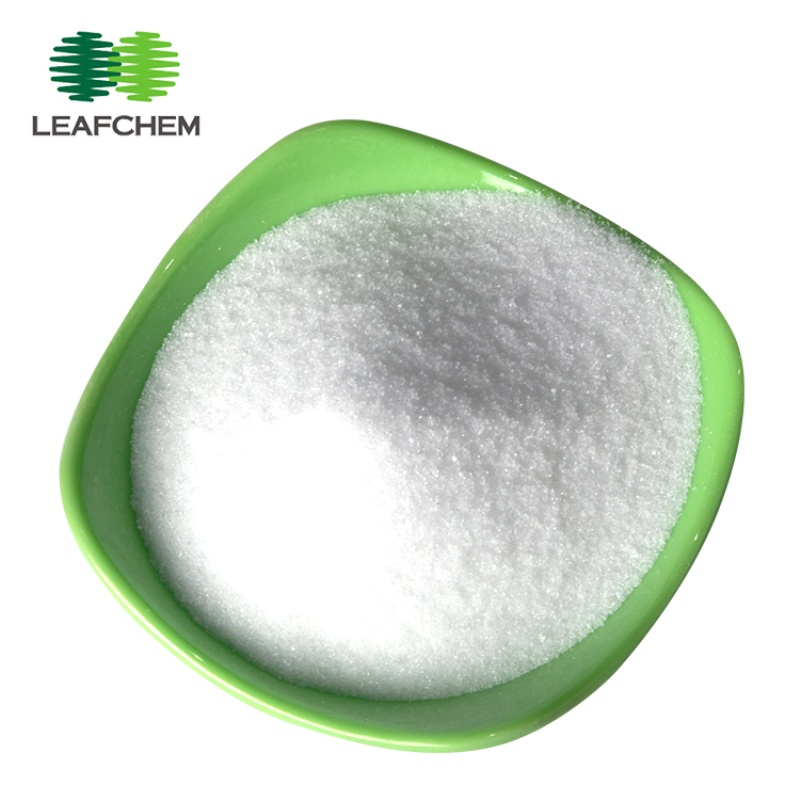
Item No :
Full DetailsOrder(MOQ) :
100kgsProduct Origin :
ChinaColor :
Colorless to whiteShipping Port :
Shanghai, ChinaLead Time :
2-3 weeksWeight :
25kgCas No. :
76-22-2Molecular Formula :
C₁₀H₁₆OAppearance :
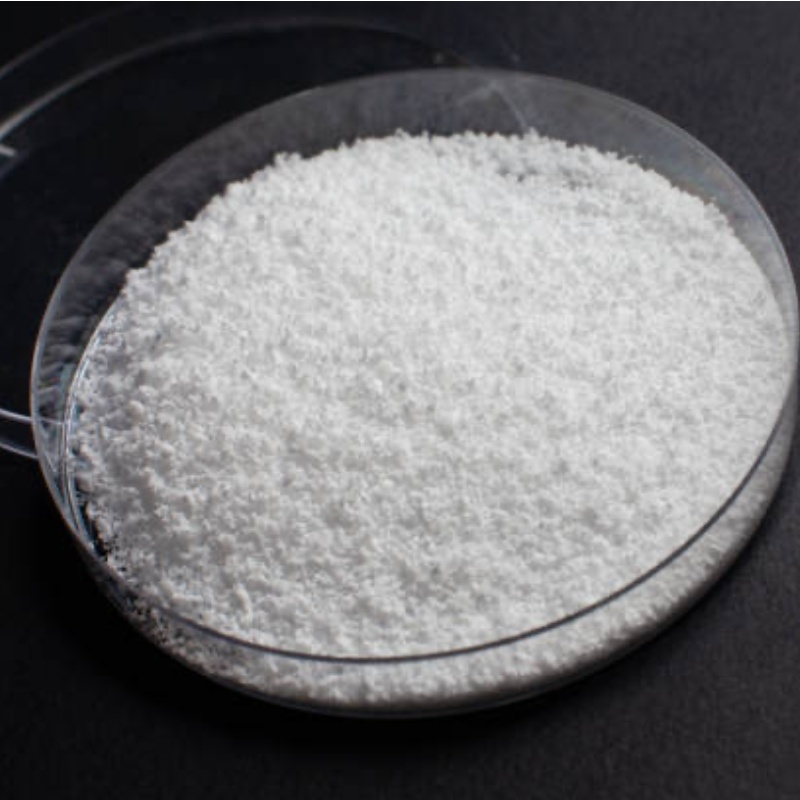
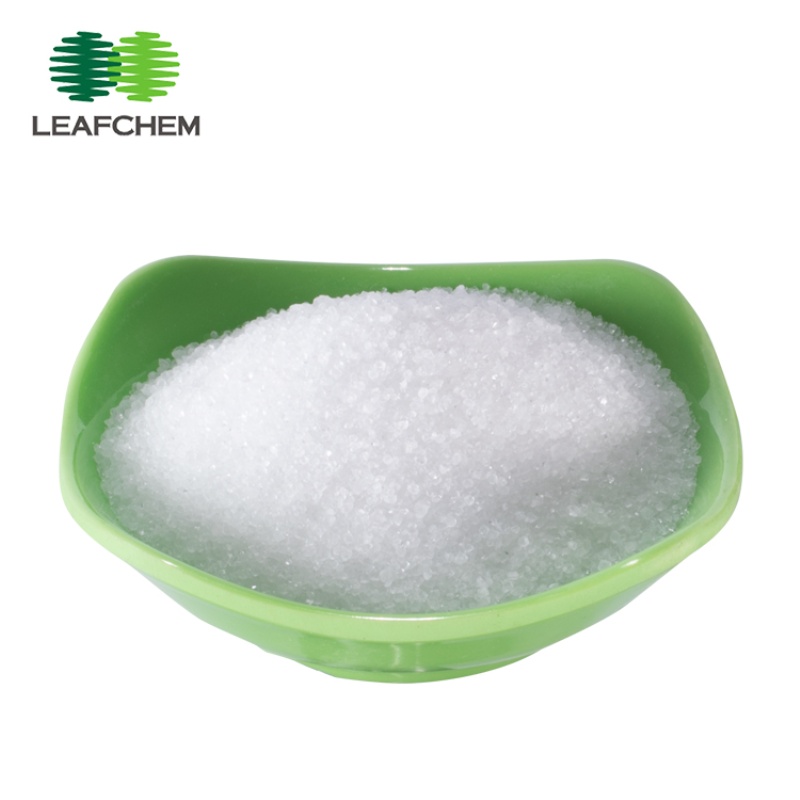
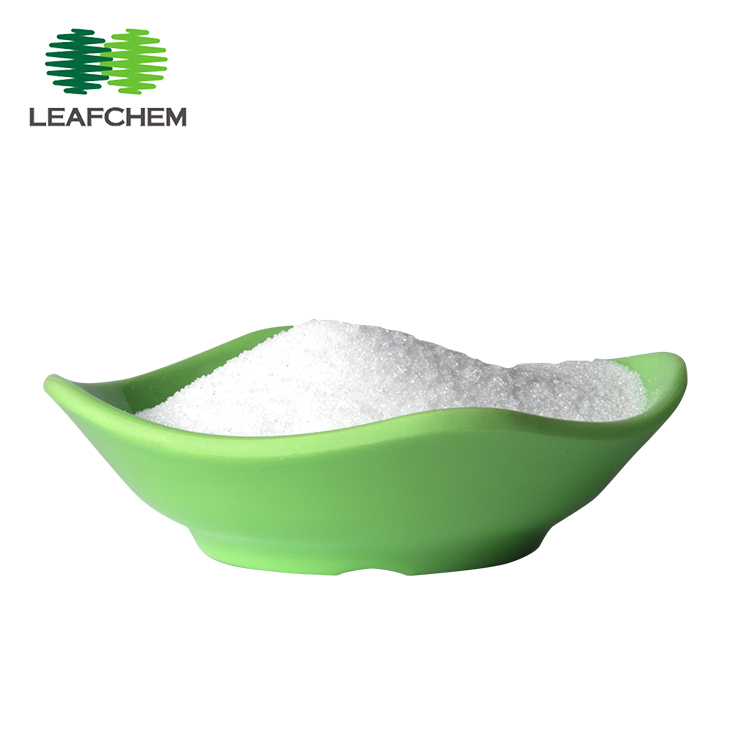
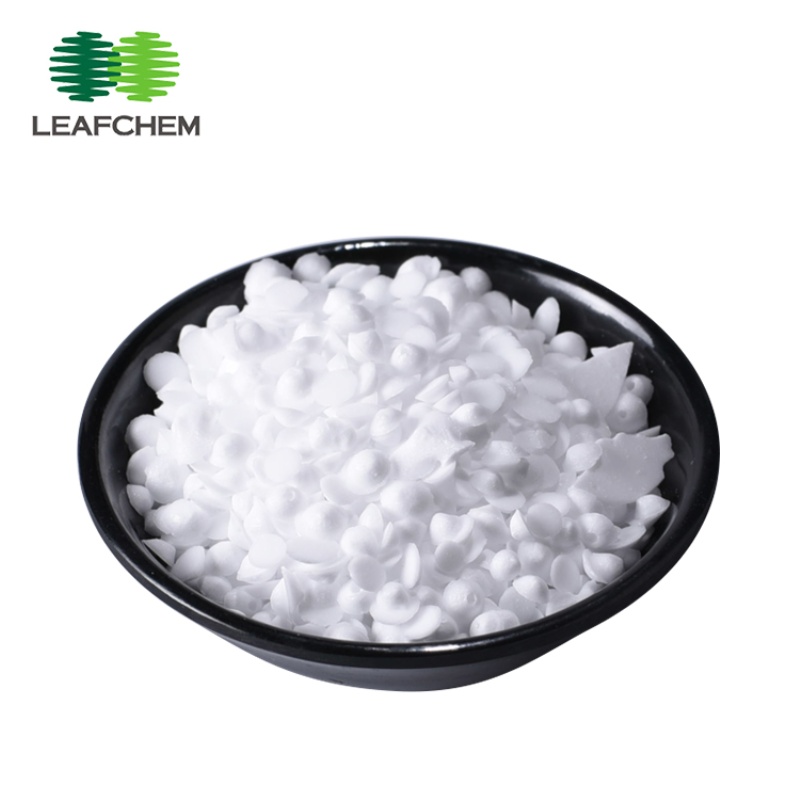
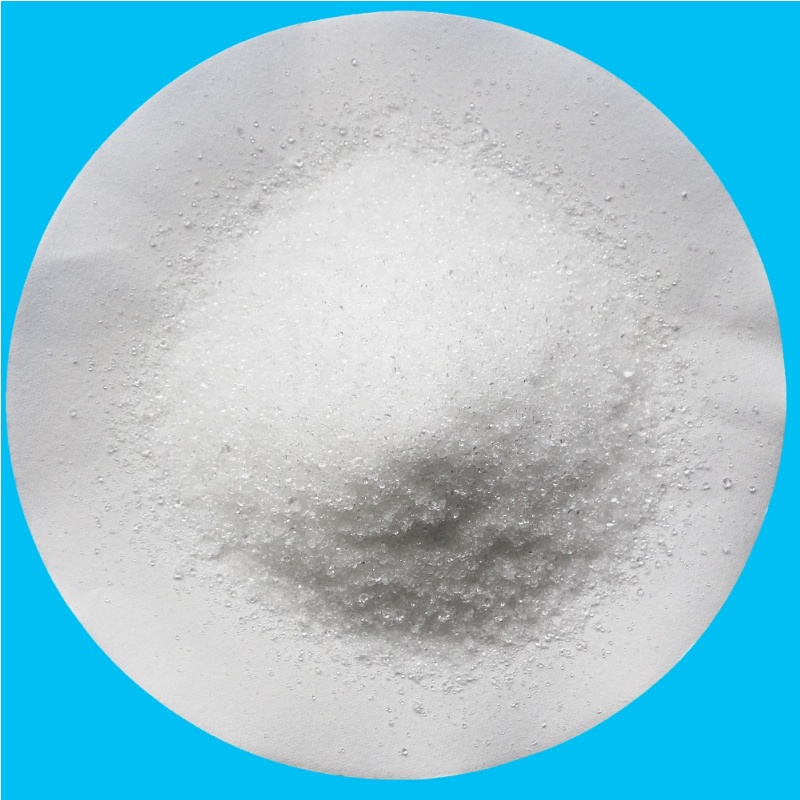
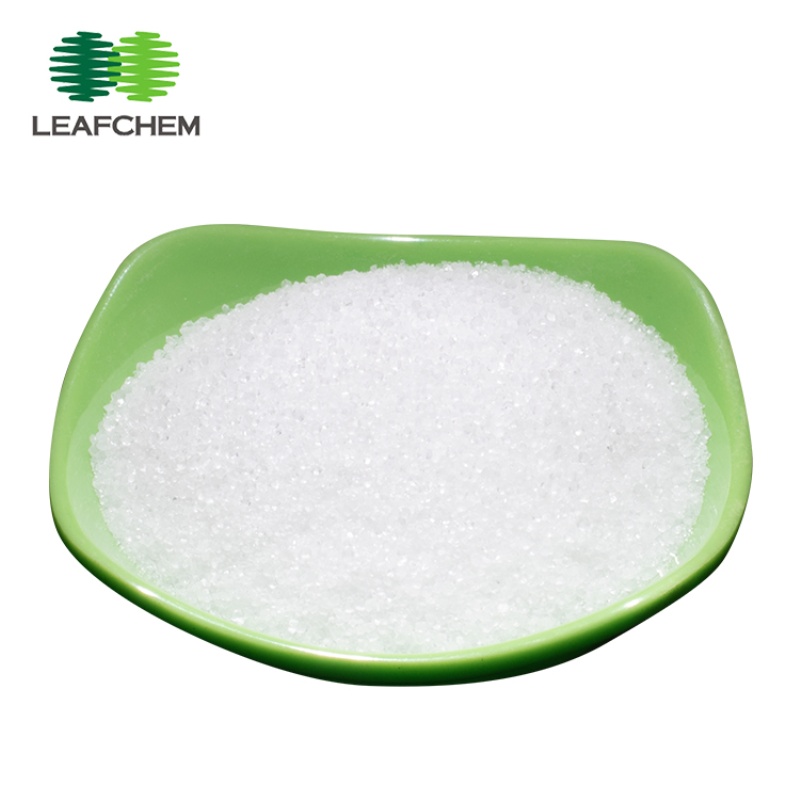
Colorless to white translucent crystalline powder or lumpsAssay :
≥ 96% - 99% (customizable)Application :
Pharmaceuticals (topical analgesics, medicated oils), daily chemicals (moth repellents, fragrances), industrial (celluloid plasticizers)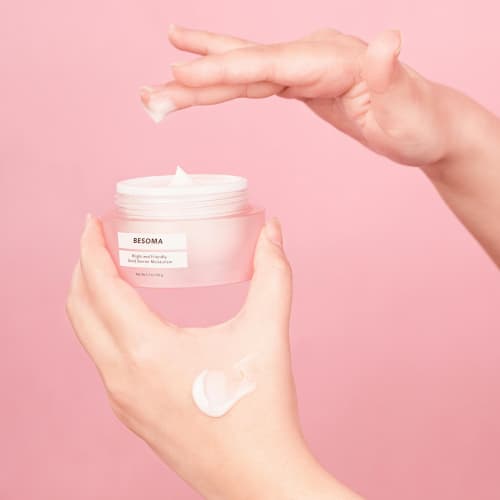
Synthetic Camphor (CAS 76-22-2) is a high-quality bicyclic monoterpene ketone compound derived from turpentine oil. It appears as a colorless to white translucent crystalline powder with a characteristic, penetrating camphoraceous odor.
As an excellent alternative to Natural Camphor, Synthetic Camphor boasts a wide range of beneficial properties, including analgesic, antipruritic, antiseptic, penetration enhancement, and plasticizing effects. It is widely utilized across various industries:
Pharmaceutical Applications: Commonly used in topical analgesic ointments and cough liniments for external use.
Daily Chemicals: Incorporated into mothproofing agents and fragrances due to its distinct scent.
Industrial Uses: Serves as an effective plasticizer for celluloid, enhancing flexibility and processability.
As a professional source manufacturer, we supply high-purity Synthetic Camphor to meet global market demands. We guarantee stable and bulk supply for both large-scale industrial orders and custom requirements.
Core Advantages
Factory Direct Supply: Synthetic Camphor produced from Turpentine Oil
We guarantee stable bulk delivery for large orders and offer competitive ex-factory prices to support your business needs.
Strict Quality Control & International Standards Compliance
Our Synthetic Camphor meets the quality standards of both the Chinese Pharmacopoeia and FDA regulations. We provide full documentation including COA (Certificate of Analysis) and MSDS (Material Safety Data Sheet), ensuring safety and quality assurance for every batch.
Multiple Purity Options & Customization Available
We offer a wide range of purity levels from 96% to 99% to suit diverse applications. Customization is supported for both Pharmaceutical Grade and Industrial Grade requirements, allowing you to choose the perfect specification for your production.
Wide Applications & Stable Market Demand
Synthetic Camphor is widely utilized across multiple industries:
Pharmaceutical Industry: Used in topical analgesics, cough liniments, and skincare formulations.
Daily Chemicals: Ideal for mothproofing agents, fragrances, and odor-masking applications.
Industrial Sector: Acts as a high-quality plasticizer for celluloid, plastics, and flexible polymer materials.
Technical Specifications
| Item | Typical Specifications | Test Standard/Remarks |
| Product Name | Synthetic Camphor | Also known as: DL-Camphor, Racemic Camphor |
| CAS No. | 76-22-2 | Key identifier |
| Molecular Formula | C₁₀H₁₆O | —— |
| Molecular Weight | 152.23 | —— |
| Appearance | Colorless to white translucent crystalline powder or lumps | Volatilizes slowly at room temperature |
| Assay | ≥ 96% - 99% | Various purity specifications available upon request |
| Melting Point | 170°C - 180°C | —— |
| Solubility | Sparingly soluble in water, freely soluble in ethanol and oils | Core characteristic: Oil-soluble |
| Main Certifications | Complies with Chinese Pharmacopoeia, US FDA, and EU Standards | FDA approved for use in external cough medicines |
Key Application
Topical Analgesics & Antipruritics
Functions as a core active ingredient in premium analgesic balms, pain-relieving liniments, and topical skincare formulations. It delivers a distinct cooling sensation and effectively enhances skin penetration, making it ideal for external pain relief applications.
Daily Chemicals & Fragrances
Serves as a high-performance mothproofing agent (commonly known as camphor balls) and a versatile fragrance fixative (perfume base). It acts as a mild preservative in cosmetic formulations and personal care products, ensuring long-lasting scent retention.
Industrial & Chemical Intermediates
Functions as an essential plasticizer for celluloid and polymer materials. It acts as a key intermediate for synthesizing camphorsulfonic acid and specialty chemical compounds, supporting large-scale industrial production processes with stable quality.
FAQ: Camphor Synthetic
1. What is Synthetic Camphor (CAS 76-22-2)?
Synthetic Camphor (DL-Camphor / Racemic Camphor, CAS 76-22-2) is a high-quality bicyclic monoterpene ketone compound derived from turpentine oil. It appears as a colorless to white translucent crystalline powder with a distinctive, penetrating camphoraceous odor. It serves as a cost-effective, high-performance alternative to Natural Camphor.
2. What are the key specifications and purity levels available?
We supply Synthetic Camphor in a wide range of purities to meet industry-specific needs:
Purity Range: 96% - 99% (Custom specifications are available upon request).
Appearance: Colorless to white translucent crystalline powder or lumps.
Melting Point: 170°C - 180°C.
Solubility: Sparingly soluble in water; freely soluble in ethanol, oils, and chloroform.
3. In which industries is Synthetic Camphor commonly used?
Synthetic Camphor is a versatile additive with applications across multiple sectors:
Pharmaceutical & Healthcare: Active ingredient in topical analgesic balms, liniments, and cough remedies. It provides a cooling sensation and enhances skin penetration.
Daily Chemicals & Fragrances: Used in mothproofing agents (camphor balls), as a fragrance fixative (perfume base), and as a mild preservative in cosmetics.
Industrial Applications: Key plasticizer for celluloid and polymer materials. It is also a critical intermediate for synthesizing camphorsulfonic acid and other specialty chemicals.
4. What are the global quality standards and certifications?
Our Synthetic Camphor adheres to stringent international quality standards:
Compliance: Meets the standards of the Chinese Pharmacopoeia and is FDA compliant for external use.
Documentation: We provide a full suite of regulatory documents, including COA (Certificate of Analysis) and MSDS (Material Safety Data Sheet) for every batch.
5. What is the difference between Synthetic Camphor and Natural Camphor?
Synthetic Camphor is chemically identical to Natural Camphor (DL-Camphor) but is produced through a synthetic process rather than being extracted from wood. It offers:
Competitive Pricing: More cost-effective than natural sources.
Consistent Purity: Rigorous manufacturing controls ensure batch-to-batch consistency.
Sustainable Supply: Not dependent on forestry resources, ensuring stable bulk supply.
6. Is Synthetic Camphor safe for handling and use?
When handled properly, Synthetic Camphor is safe for industrial and commercial applications.
Precautions: It is recommended to wear protective gear (gloves, goggles, and a dust mask) during handling to avoid skin/eye contact and inhalation of dust.
Storage: Store in a cool, dry, and well-ventilated area away from incompatible substances.
For detailed safety information, please refer to the provided MSDS.
7. Do you offer bulk supply and custom packaging?
Yes, as a professional source manufacturer, we specialize in global bulk supply.
Bulk Orders: We support large-scale orders with stable delivery schedules.
Customization: We can provide tailored specifications (purity, grade) and custom packaging solutions to meet your specific market requirements.



leave a message



 IPv6 network supported