Leave A Message
If you are interested in our products and want to know more details,please leave a message here,we will reply you as soon as we can.

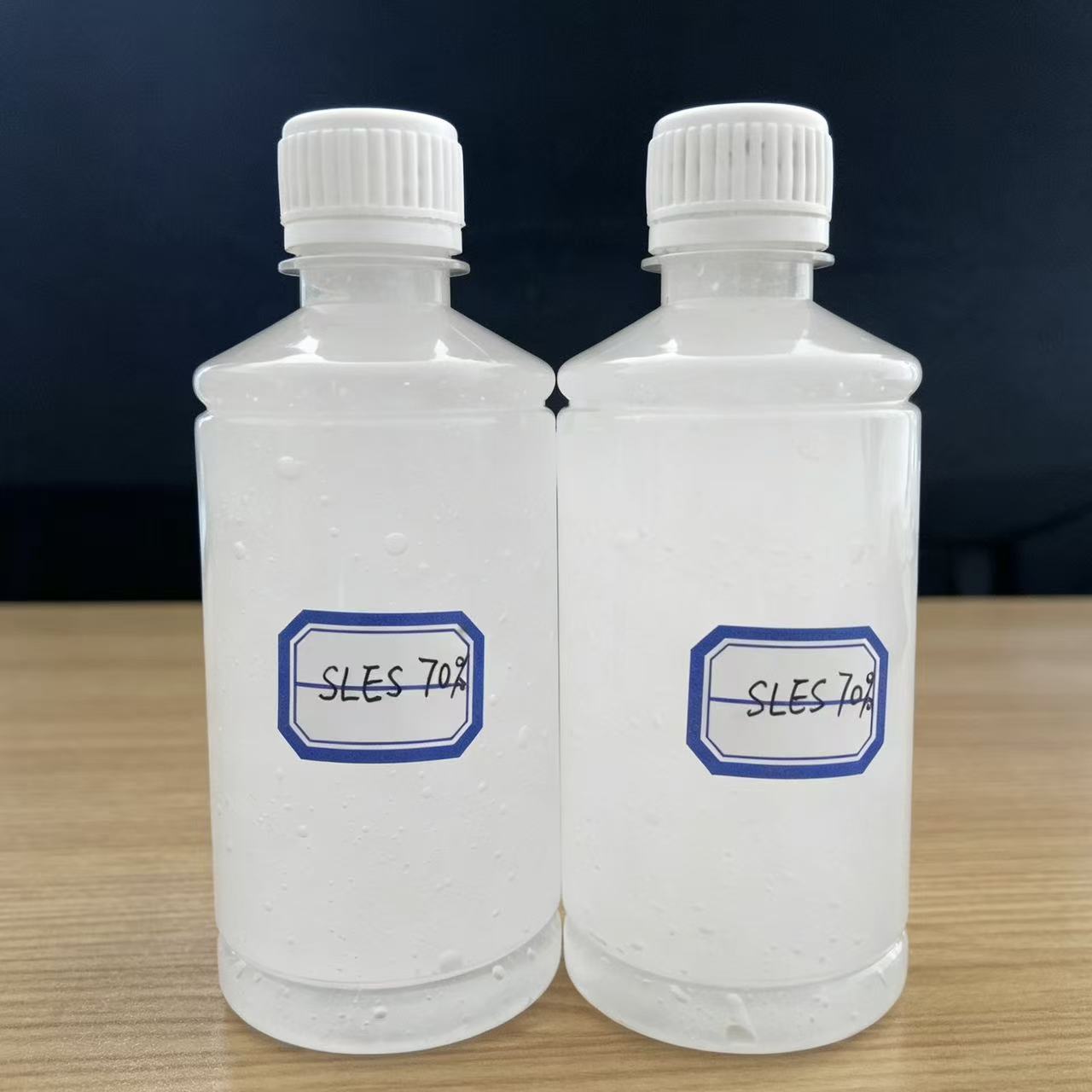
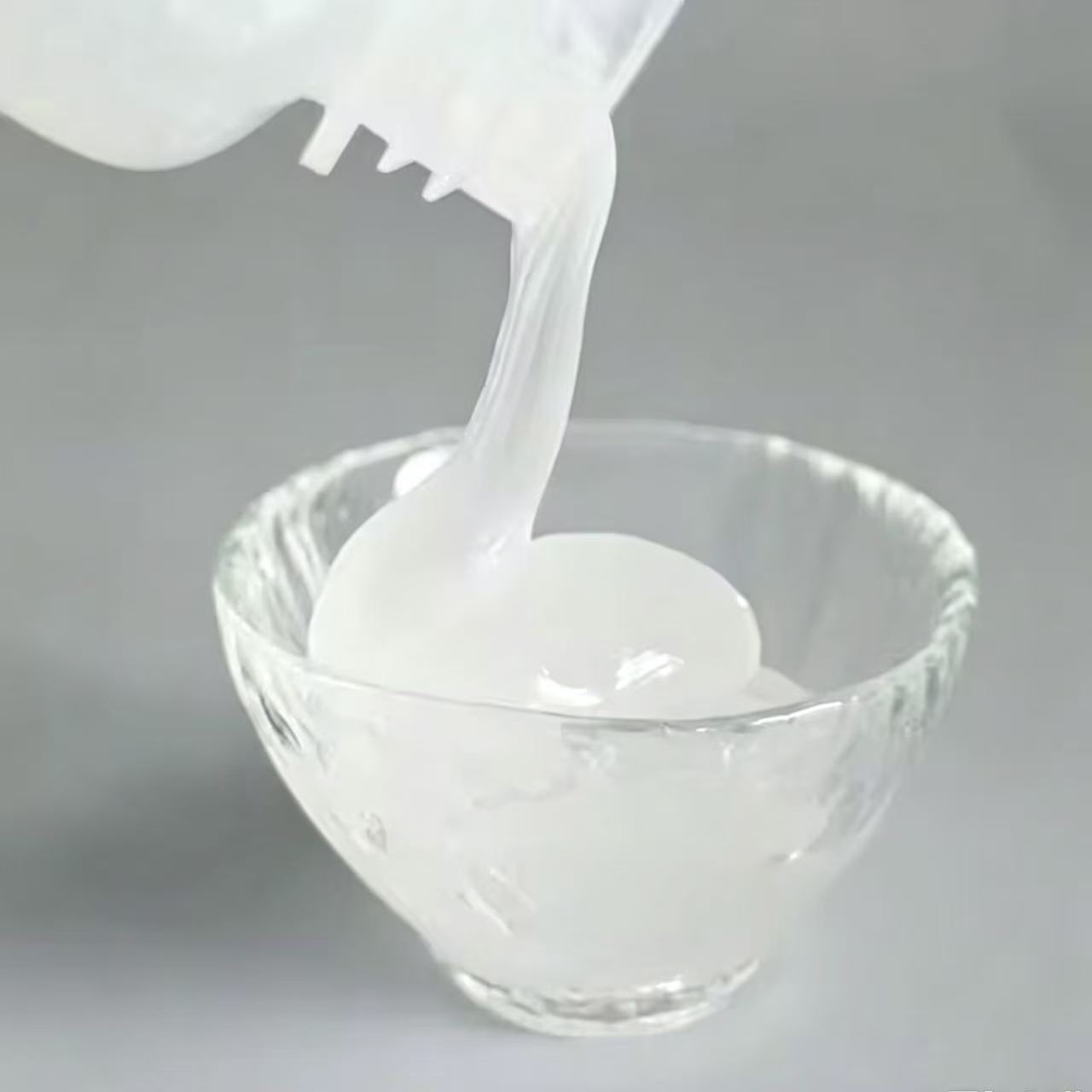
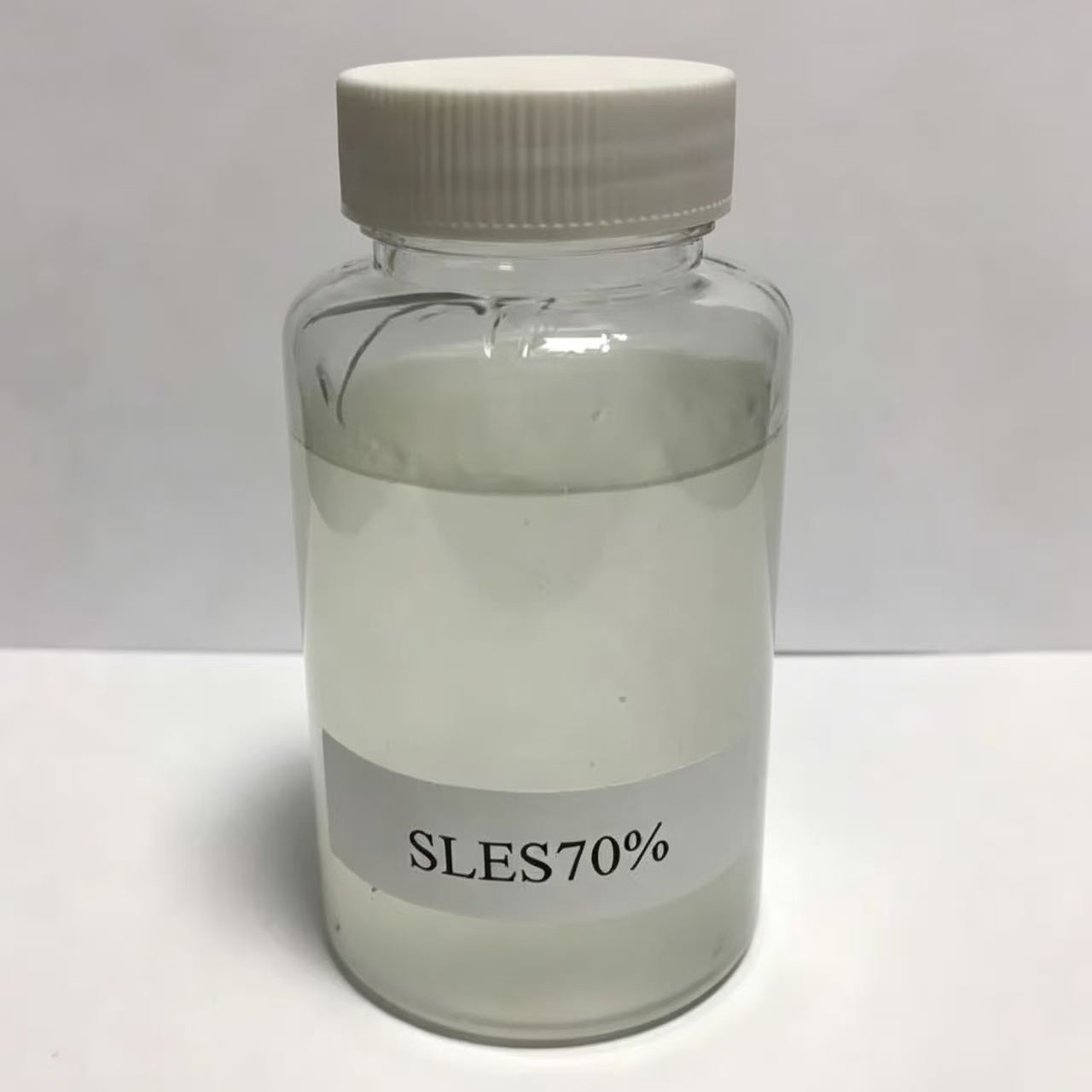
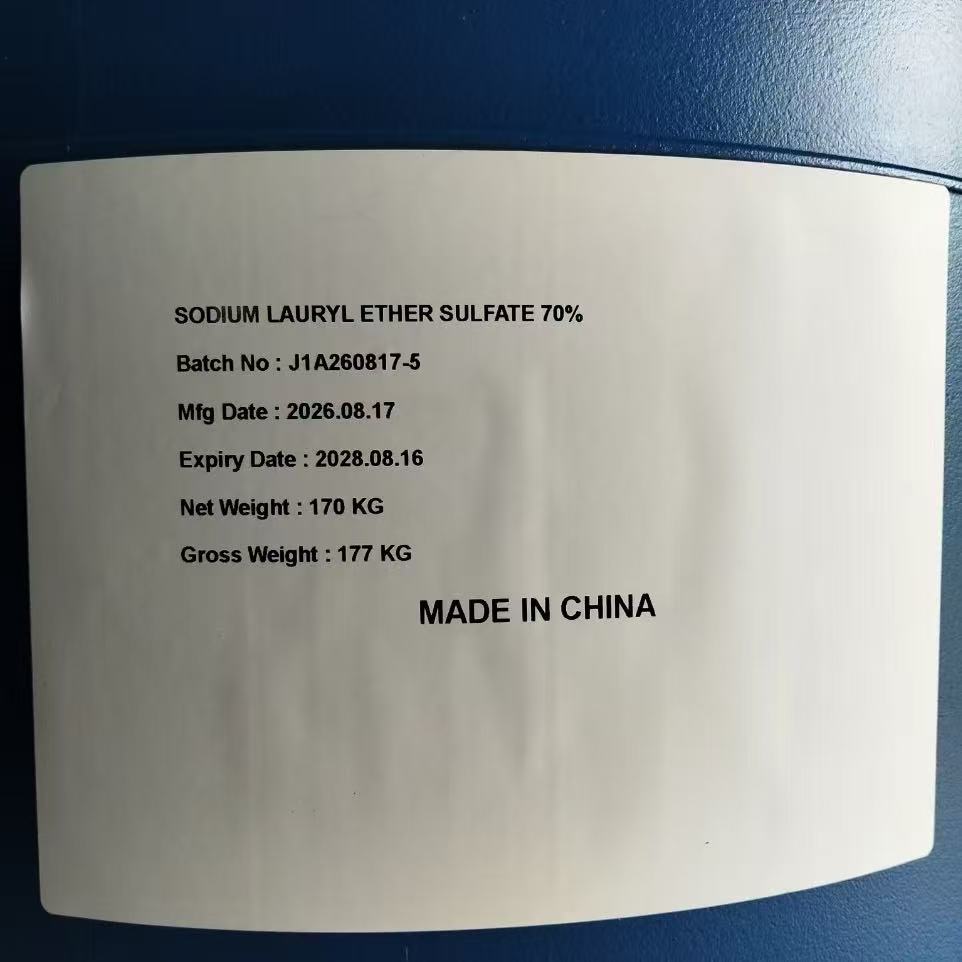
High-Foaming Surfactant Sodium Laureth Sulfate (SLES-70%) | CAS 68585‑34‑2
Item No :
LEAFCHEM 035Order(MOQ) :
500 KGSProduct Origin :
ChinaColor :
WhiteLead Time :
2-3 WeeksWeight :
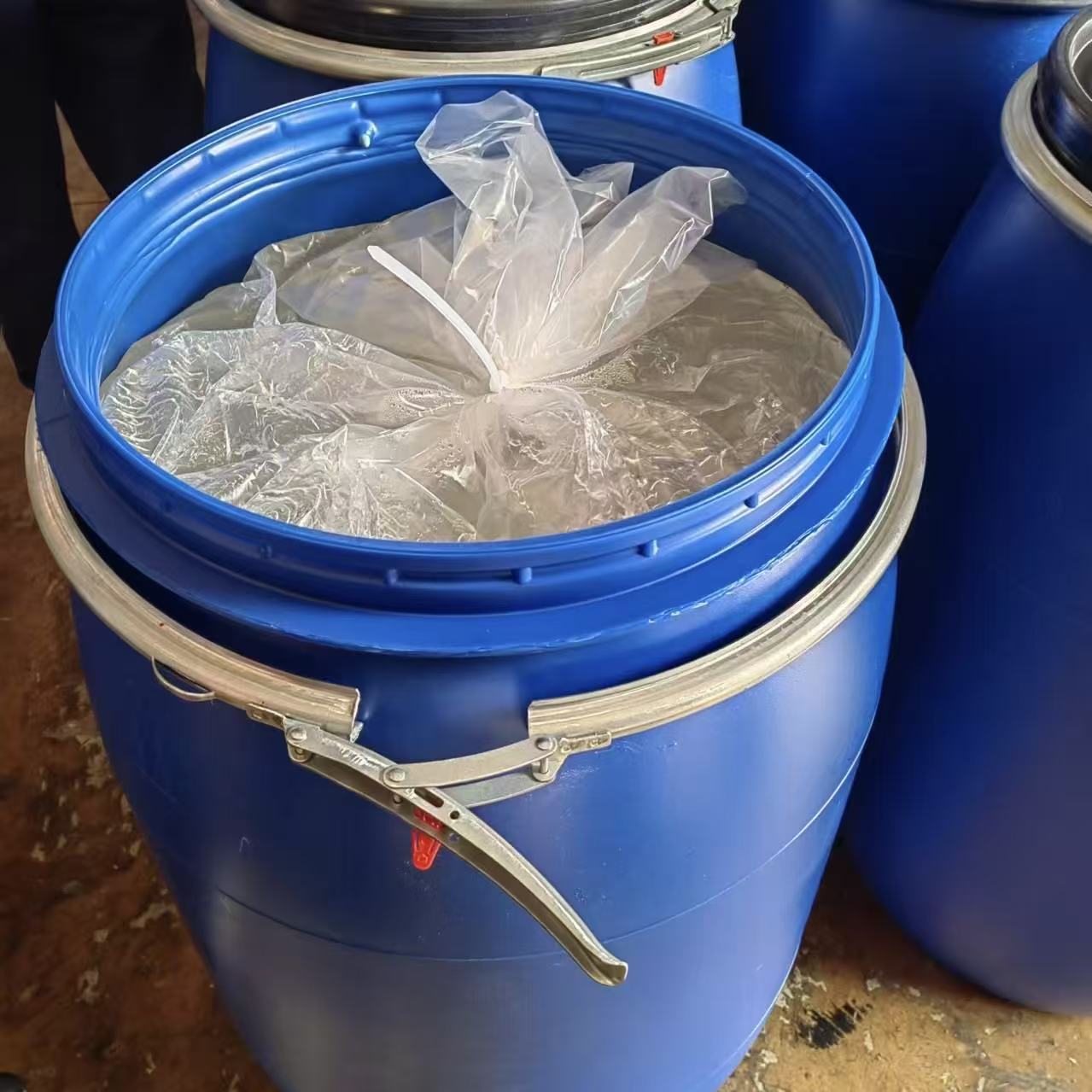
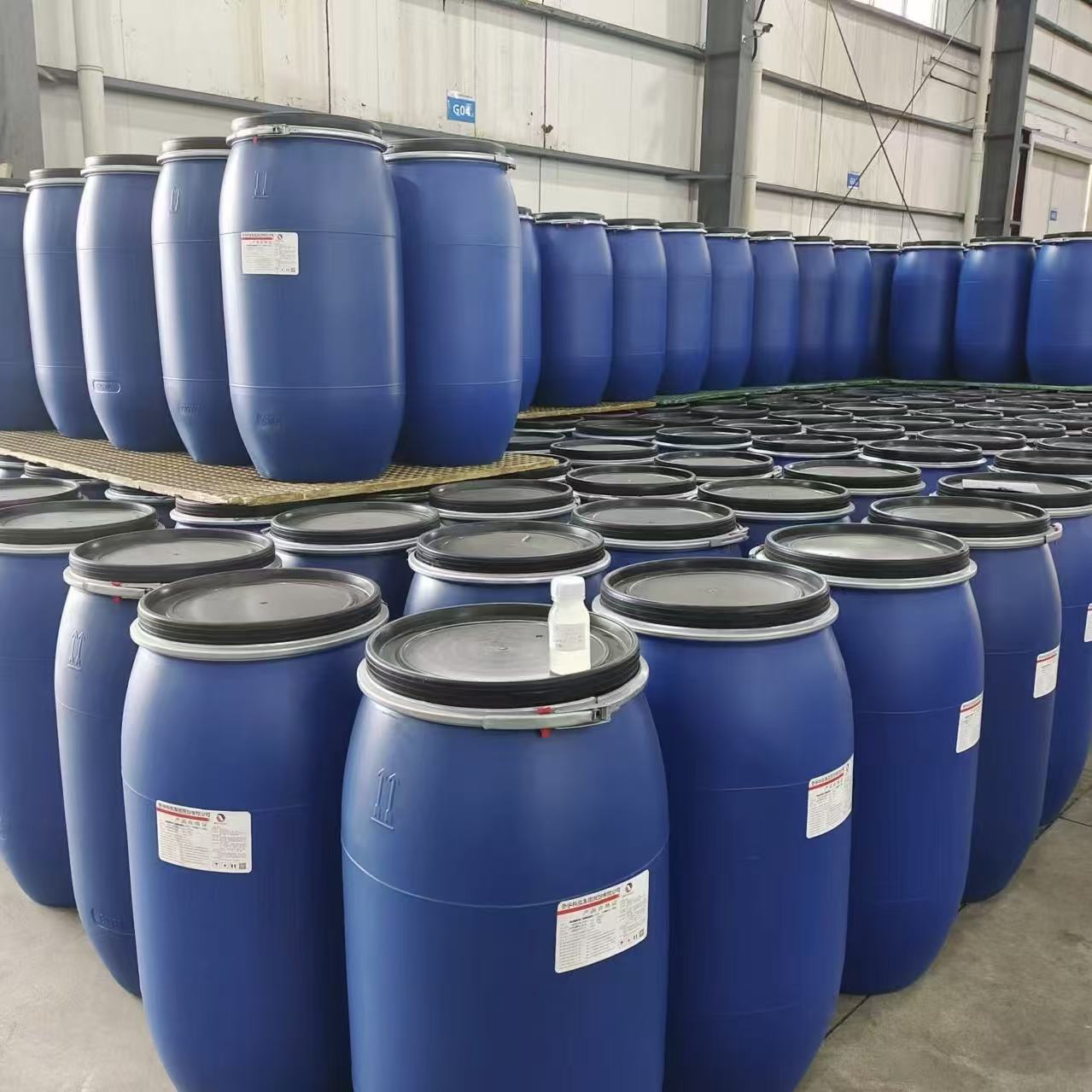
25kg/bag on palletsCas No. :
68585-34-2Molecular Formula :
C16H35NaO5SAppearance :
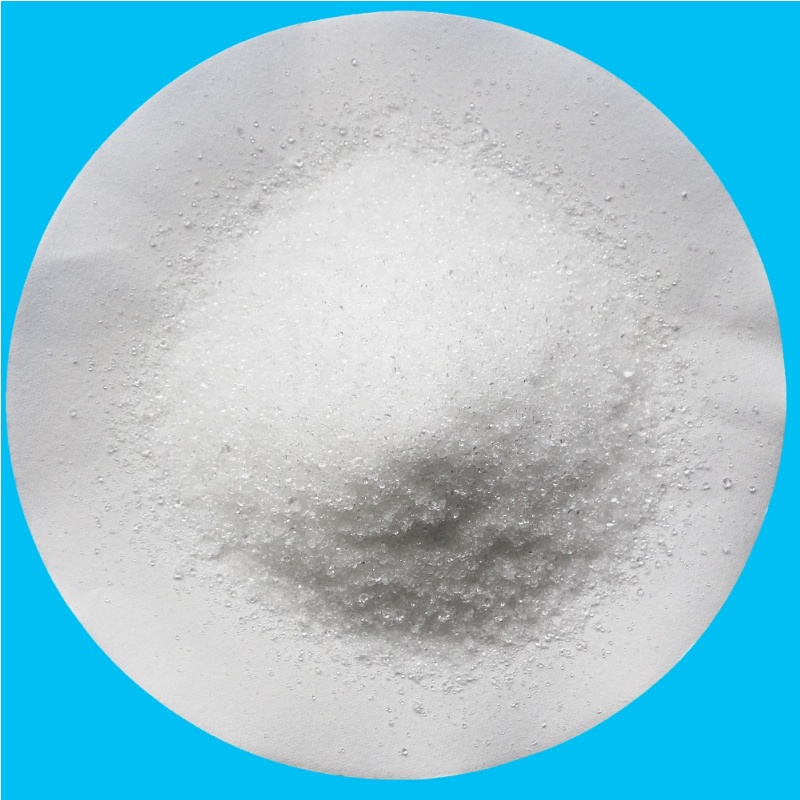
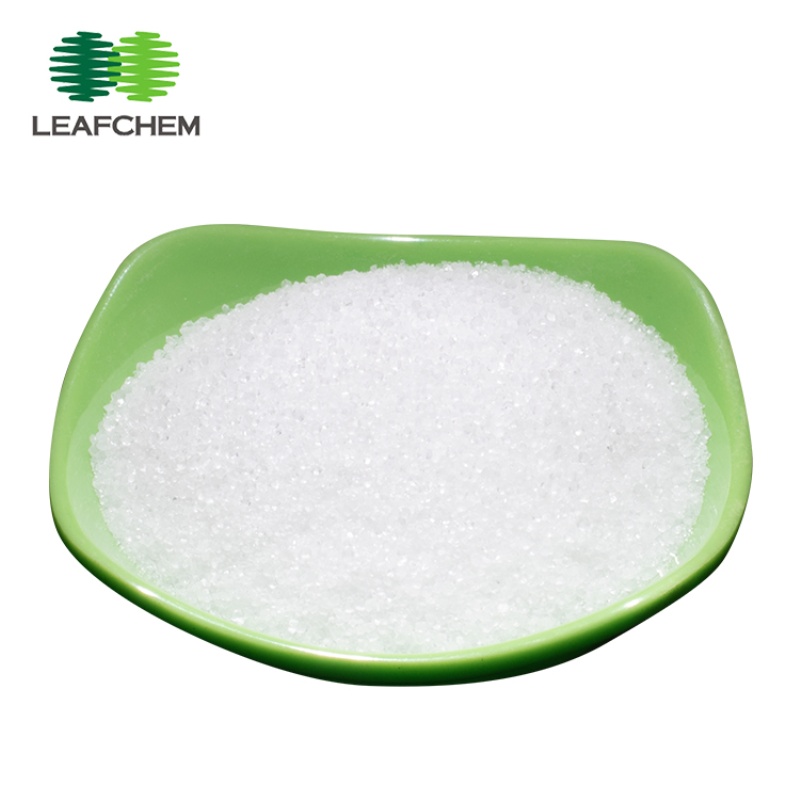
White viscous pasteAssay :
±70%Application :
Cleaning and personal care formulasSodium Laureth Sulfate Product Overview
Product Features
Excellent foaming: produces rich, dense and stable lather with strong detergency in both soft and hard water.
Mild & skin-friendly: ethoxylation significantly reduces skin and eye irritation compared with SLS, suitable for sensitive and rinse-off formulations.
Hard-water resistance: stable in hard water without precipitation or loss of activity.
Easy thickening: readily thickened with salt (NaCl) or co-surfactants to build the desired product viscosity.
Broad compatibility: blends well with amphoteric and non-ionic surfactants such as betaine, CMEA and CDEA; avoid direct co-blending with cationic ingredients.
Readily biodegradable: easily biodegradable in wastewater systems, supporting clean-label and eco-oriented product development.
High active concentration (70%): reduces transport and storage cost while allowing easy dilution at formulation stage.
Applications
Sodium Laureth Sulfate is commonly used in:
Shampoo and hair cleansers – primary surfactant for cleaning and rich, voluminous foam.
Shower gel, bubble bath, body wash and hand soap – rich foam with a clean, fresh rinse-off feel.
Rinse-off facial cleansers – formulated with milder surfactants for a gentle but effective clean.
Dishwashing liquid, laundry detergent and liquid soap as the main cleansing and foaming component.
Textile, printing & dyeing, petroleum and leather industries as a wetting, cleaning, foaming and degreasing agent.
|
ITEM |
STANDARD |
RESULTS |
|
Appearance (25℃) |
White viscous paste |
White viscous paste |
|
Active matter (%) |
70 ± 2 |
69.70 |
|
Unsulfated matter (%) |
≤ 3.0 |
1.71 |
|
Sodium sulphate (%) |
≤ 1.5 |
0.44 |
|
Color (5% aqueous solution, Klett) |
≤ 20 |
4 |
|
pH value (1% aqueous solution) |
7.0 – 9.0 |
8.96 |
|
1,4-Dioxane (ppm) |
≤ 30 |
4.38 |
FAQ: Sodium Laureth Sulfate
1. Q: What is the difference between SLES 70% and sodium lauryl sulfate (SLS)?
A: The key difference lies in ethoxylation. SLES 70% contains oxyethylene groups in its molecular structure, while SLS does not. This makes SLES milder to skin and eyes with lower irritation, more suitable for sensitive formulations. SLES also features better hard water resistance and can generate denser, longer-lasting foam. SLS delivers stronger detergency yet higher irritation, commonly used in heavy-duty industrial cleaners. In contrast, SLES 70% is more applicable for personal care and household dishwashing liquid. SLES 70% has higher solubility and is easier to thicken with salt, simplifying the production process. Both provide effective cleaning performance, but SLES achieves a better balance between cleaning power and mildness, making it ideal for daily consumer products.
2. Q: Can SLES 70% be safely used in personal care and cosmetic products?
A: Yes, 70% SLES is safe when formulated following instructions and approved by major global regulatory authorities. It has undergone extensive acute & chronic toxicity, skin and eye irritation tests. As a rinse-off ingredient, it will not accumulate on skin or hair. Reputable manufacturers purify SLES to control impurities within safe levels. Although prolonged contact may cause slight dryness on highly sensitive skin, this can be easily alleviated by combining with humectants.
3. Q: Why is SLES commercially supplied at 70% concentration?
A: Sodium laureth sulfate is generally supplied as a 70% active matter solution, as this concentration strikes an optimal balance among stability, transportation efficiency and formulation convenience. Too high concentration may lead to excessive viscosity and poor operability; too low concentration increases freight cost due to excess water content. The 70% grade allows manufacturers to dilute and formulate it into various liquid detergents and personal care products.
4. Q: Is SLES 70% eco-friendly and biodegradable?
A: 70% SLES is readily biodegradable and regarded as environmentally safe for rinse-off applications. It can be naturally decomposed by microorganisms in wastewater and aquatic environments, complying with OECD 301 biodegradation standard. It has no bioaccumulation and exhibits low toxicity to fish and aquatic organisms at expected environmental concentrations. Modern production processes strictly control byproduct discharge to further reduce impacts on ecosystems. While the concentrate should not be directly discharged into the environment, properly diluted finished goods can be safely disposed through normal drainage systems. Compared with many non-biodegradable synthetic surfactants, it is a more sustainable option and supports eco-label cleaning & personal care product lines.
5. Q: What advantages make SLES 70% popular versus other surfactants?
A: Sodium laureth sulfate (SLES) 70% has a unique combination of benefits: excellent foaming capacity & detergency, mild skin compatibility, hard water resistance, easy salt thickening, high biodegradability and good compatibility with other ingredients. Unlike many low-foam surfactants, it creates rich, dense foam recognized by consumers as a sign of effective cleaning. It maintains high cleaning efficiency even at low usage levels, lowering formulation cost. OECD tests confirm its ready biodegradability to minimize environmental footprint. It works in both acidic and alkaline formulations and can be used in transparent or pearlescent liquids. These advantages make it a preferred choice for formulators seeking balance among performance, cost, mildness and consumer appeal.
6. Q: How should 70% Sodium Laureth Sulfate be stored?
A: 70% SLES should be stored in a cool, dry and well-ventilated area, away from direct sunlight, heat sources and strong oxidizing agents. The optimal storage temperature ranges from 5℃ to 30℃. Freezing or prolonged high temperature may alter viscosity or cause phase separation. Keep containers tightly sealed to prevent moisture absorption and contamination. Standard plastic drums, coated steel drums and storage tanks are suitable for this product..
7.Q: What's the payment term when want to buy?
A: Please contact our company via Email, WhatsApp or Verbally for further communication.
8.Q: What's the lead time of 70% Sodium Laureth Sulfate?
A: Lead time could be commonly 2-3 weeks or contact us for more details.
AES 70%;SLES 70% for shampoo and body wash;Sodium Laureth Sulfate cosmetic grade;SLES 70% bulk supplier China



leave a message


 IPv6 network supported