
Leave A Message
If you are interested in our products and want to know more details,please leave a message here,we will reply you as soon as we can.

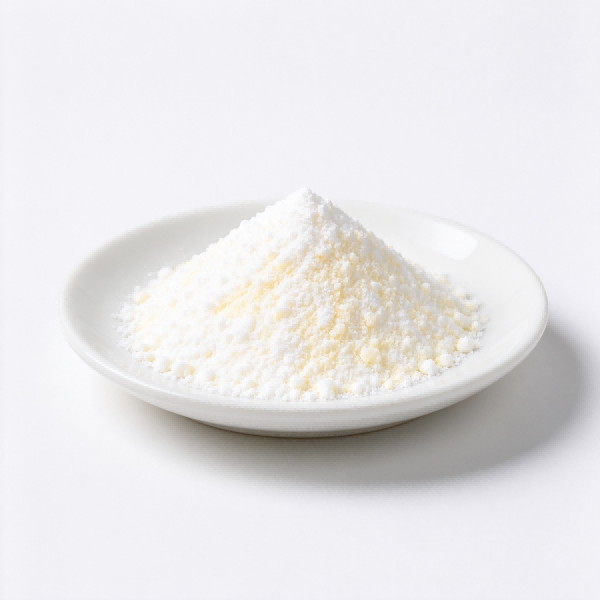


Order(MOQ) :
500kgsProduct Origin :
ChinaColor :
WhiteShipping Port :
Shanghai, ChinaLead Time :
2-3 weeksWeight :
25kgCas No. :
7681-93-8Molecular Formula :
C33H47NO13Appearance :
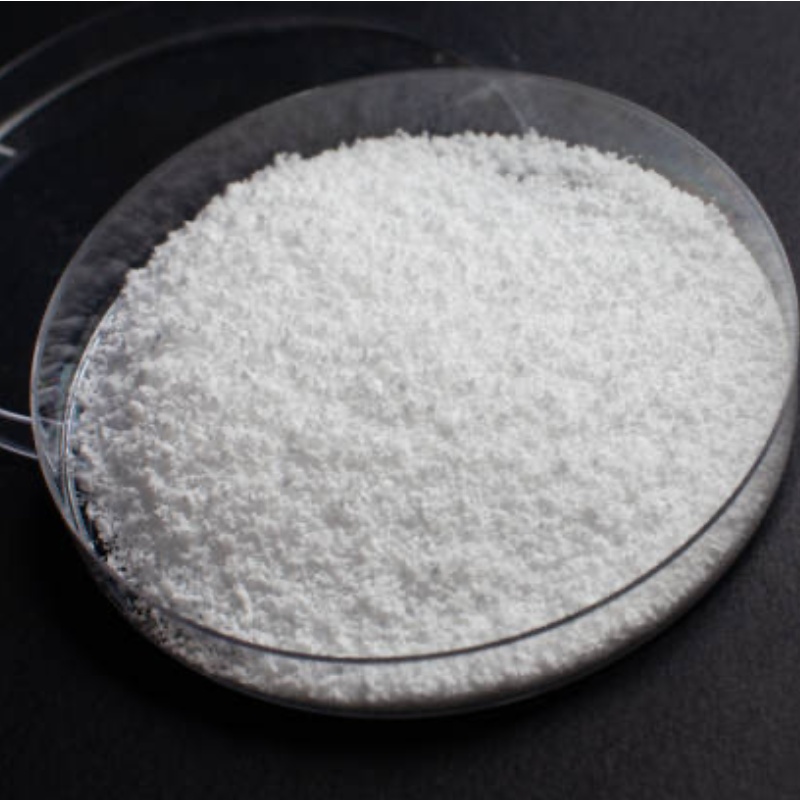
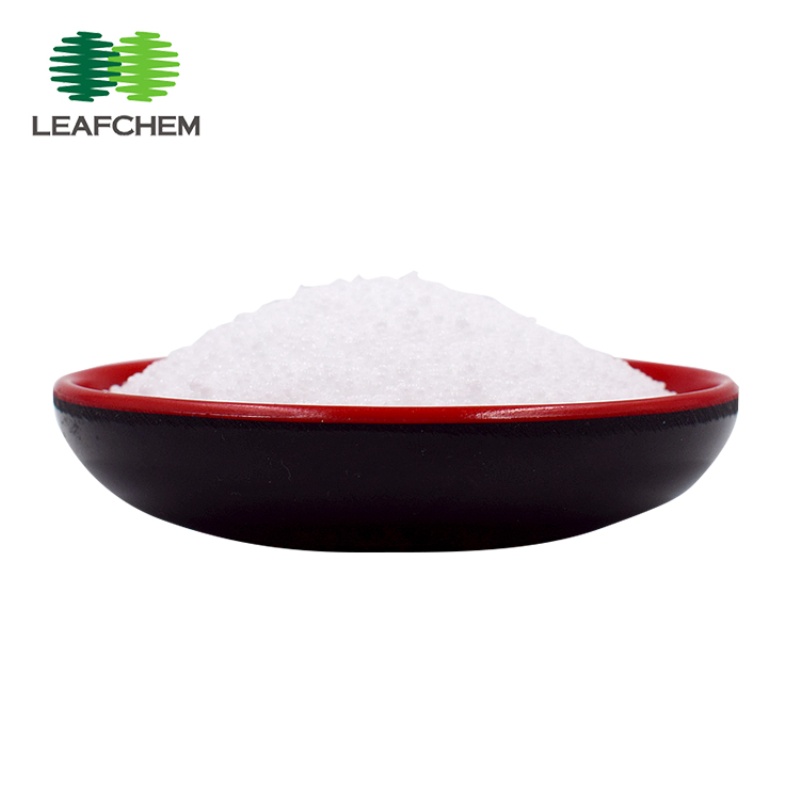
White to creamy-yellow, almost odourless crystalline powderAssay :
≥ 95.0%Application :
preservativeCore Advantages
More active per kilogram, less to store and ship. One kilogram of this grade delivers roughly the same active content as 1.9 kg of a 50% grade. For buyers moving tonnage, that is a direct reduction in drum count, warehouse footprint and ocean freight.
A specification you can audit line by line. Assay on the dried basis, pH, loss on drying, residue on ignition and specific rotation are declared and tested on every lot, so a deviation in identity or purity is visible before the material reaches your line.
Fermentation quality held batch to batch. Natamycin is a fermentation product; the impurities that matter are the ones that change colour, odour or suspendability. Lots are released against a fixed specification envelope rather than a rolling internal target.
Practical support for suspension work. We can share guidance on dispersing the powder, on the order of addition, and on the light and temperature conditions that keep a working suspension stable through a production shift.
Technical Specifications
|
Item |
Specification |
Result |
|
Description |
White to creamy-yellow, almost odourless crystalline powder |
Milky-white, odourless crystalline powder |
|
Identification |
Should meet the requirements |
Complies |
|
Assay (on dried basis) |
≥ 95.0% |
95.2% |
|
pH |
5.0 – 7.5 |
6.94 |
|
Specific rotation [α]D20 |
+250° to +295° (dm²·kg⁻¹) |
+262° (dm²·kg⁻¹) |
|
Loss on drying |
≤ 8.0% |
4.54% |
|
Residue on ignition |
≤ 0.5% |
0.222% |
|
Lead (Pb) |
≤ 2 mg/kg |
0.03 mg/kg |
Key Application Fields
Applied as a suspension by spray, dip or in a coating emulsion, natamycin stays at the surface and suppresses mould and yeast growth on the rind without diffusing into the paste. The US rule caps residual natamycin in treated cheese at 20 ppm (21 CFR 172.155), so accurate dilution control matters more than the assay of the grade you start from.
A dip or spray on the casing controls surface mould through long curing cycles, where a mould bloom would otherwise spoil appearance and force extra trimming.
Processors who standardise their own treatment liquor buy the concentrated grade and dilute on site. The arithmetic is simple, but the dispersion step needs care so that no agglomerates reach the spray nozzles.
A declared assay on the dried basis and a polarimetric rotation value make the grade usable as an in-house reference when verifying HPLC methods or checking incoming lots.
FAQ
What is Natamycin 95% and how does it differ from the 50% grades?
It is the undiluted active substance at an assay of not less than 95.0% on the dried basis. The 50% grades are physical blends of the same active with glucose, lactose or sodium chloride. The active is chemically identical; the difference is the amount of material you weigh, store and ship for a given amount of active.
How is the assay determined?
Assay is run by HPLC against a natamycin reference standard and reported on the dried basis, which removes the influence of moisture on the result. Loss on drying is reported separately so that the two figures can be reconciled against an as-is basis if your specification requires it.
Which microorganisms does natamycin control?
Yeasts and moulds, including the surface flora that spoil cheese rinds and cured meats. It binds ergosterol, a sterol found in fungal membranes but not in bacterial membranes, which is the reason the spectrum is limited to fungi.
Does natamycin control bacteria?
No. It has no useful activity against bacteria or viruses. That selectivity is the practical advantage in fermented products, where the bacterial starter cultures must keep working while surface mould is suppressed.
Is natamycin approved for food use?
It is a recognised food additive: INS 235 / E 235. In China it is listed in GB 2760 (CNS 17.030) with GB 25532-2010 as the quality specification; in the United States it is permitted for cheese surface treatment under 21 CFR 172.155; in the EU it appears as E 235 in Regulation (EC) No 1333/2008 with uses restricted to specific surface-treatment applications. Permitted categories and maximum levels differ by market and should be confirmed against the current text before commercial use.
What is the acceptable daily intake?
The JECFA acceptable daily intake is 0–0.3 mg per kg of body weight per day. Because natamycin is applied to surfaces and migrates only slightly into the food matrix, residues in the edible portion are normally far below the intake limit when the application is properly controlled.
How should a working suspension be prepared?
Disperse the weighed powder in water at ambient temperature under low shear, adding the powder to the water rather than the reverse, and continue agitation until no agglomerates remain. Keep the vessel covered and away from direct light. Set the concentration from your own validation trials and from the maximum level allowed in the destination market.
What are the minimum order, lead time and packaging?
The minimum order quantity is 500 kg. Packaging is a 25 kg fibre drum with a double polyethylene liner, and palletised drums can be configured to your container plan. Standard lead time from order confirmation is two to three weeks, and the shipping port is Shanghai.
Which documents are supplied with each lot?
A lot-specific certificate of analysis covering description, identification, assay, pH, rotation, loss on drying, residue on ignition and lead; a safety data sheet in GHS format; and the commercial documents for shipment. Certification status relevant to your market can be confirmed for the specific product and order.
How should the material be stored?
In the original sealed packaging, cool, dry and dark, at or below 25 °C. Light and prolonged heat both reduce activity, so a store room with direct sunlight or a hot roof is a poor choice. Under correct storage the shelf life is 18 months from the date of manufacture.



leave a message





 IPv6 network supported