
Leave A Message
If you are interested in our products and want to know more details,please leave a message here,we will reply you as soon as we can.



Order(MOQ) :
500kgsProduct Origin :
ChinaColor :
WhiteShipping Port :
Shanghai, ChinaLead Time :
2-3 weeksWeight :
25kgCas No. :
7681-93-8Molecular Formula :
C33H47NO13Appearance :
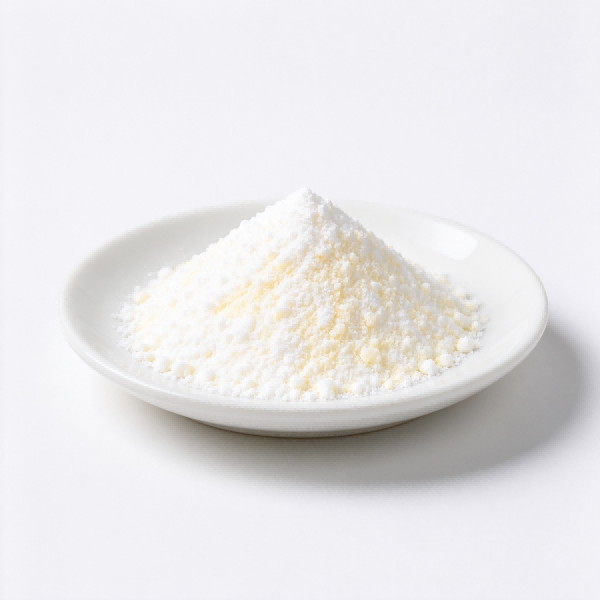
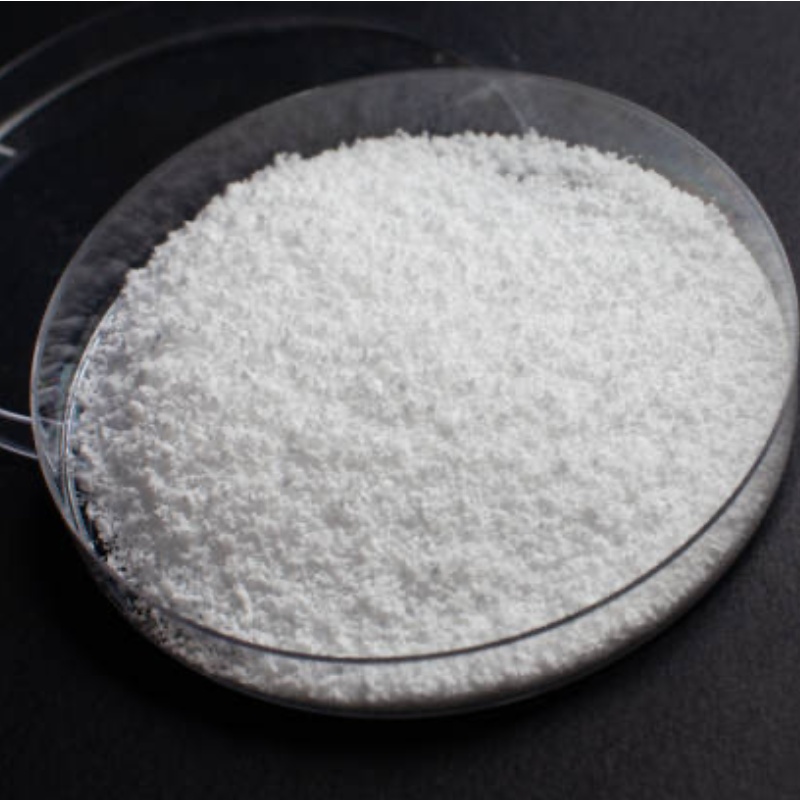
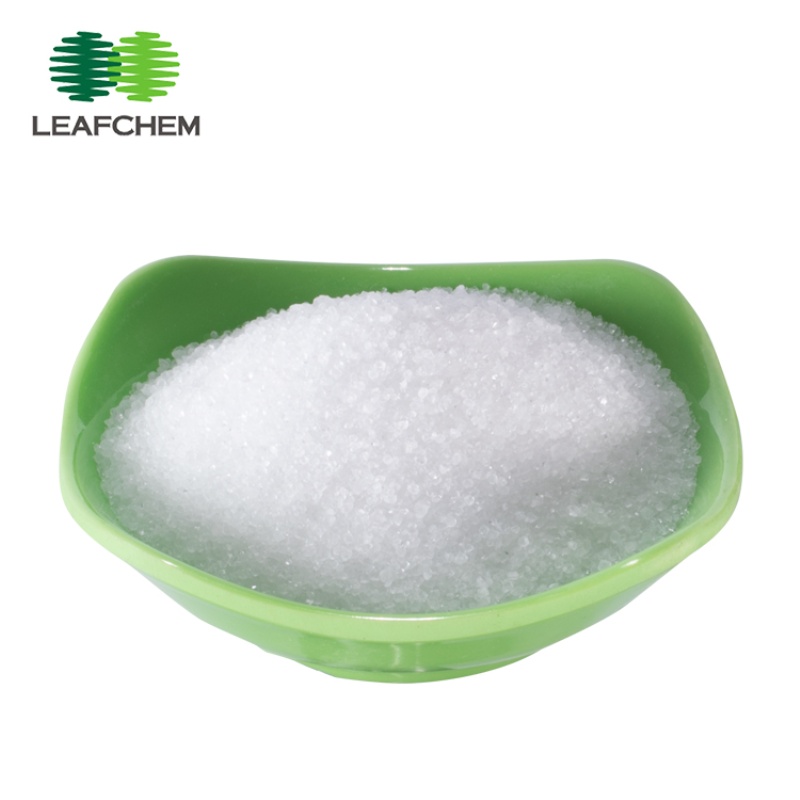
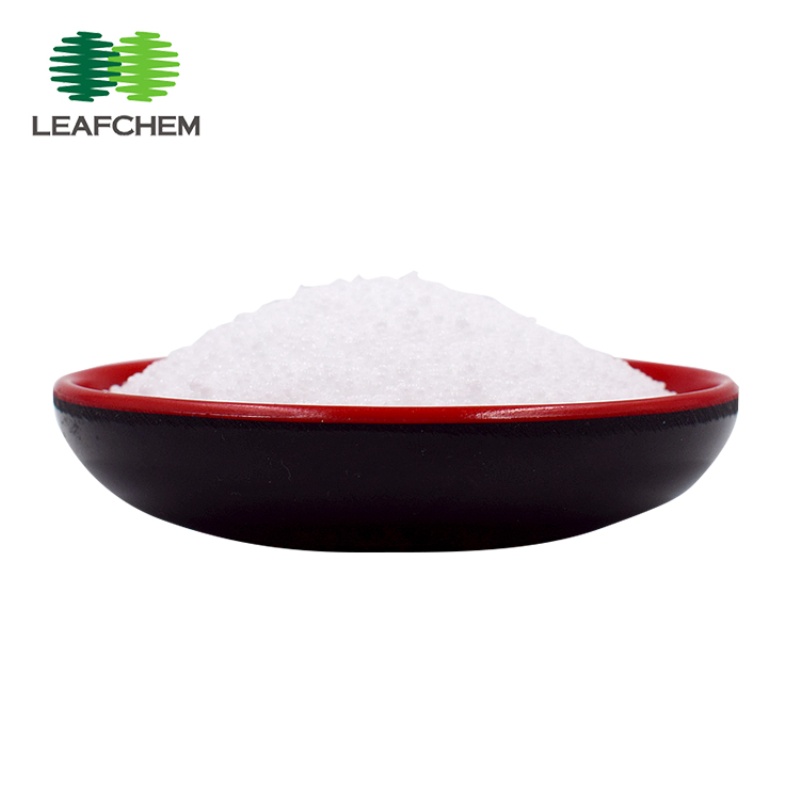
White to creamy-yellow, almost odourless crystalline powderAssay :
≥ 50.0%Application :
preservativeCore Advantages
At 50% active the working quantity is larger and easier to weigh on production scales, and the blend dusts noticeably less than the concentrated powder — an advantage on lines without dedicated dust extraction.
Dextrose dissolves quickly and adds no acidity, colour or strong flavour, so it does not change the appearance or taste of the treated surface.
Total plate count ≤ 100 cfu/g, coliforms ≤ 30 MPN/100 g and Salmonella absent in 25 g are tested and reported on each certificate of analysis.
The grade is quoted on delivered active content, so cost per treated tonne stays stable even when freight or packing costs on the concentrated grade move.
Technical Specifications
|
Item |
Specification |
Result |
|
Description |
White to creamy-yellow, almost odourless crystalline powder |
Milky-white, odourless crystalline powder |
|
Assay |
≥ 50.0% |
52.0% |
|
Loss on drying |
≤ 8.0% |
2.82% |
|
pH |
5.5 – 7.5 |
7.05 |
|
Residue on ignition |
≤ 0.5% |
0.435% |
|
Heavy metals (as Pb) |
≤ 10 mg/kg |
< 10 mg/kg |
|
Lead (Pb) |
≤ 1 mg/kg |
Not detected |
|
Total plate count |
≤ 100 cfu/g |
0 cfu/g |
|
Coliforms |
≤ 30 MPN/100 g |
< 30 MPN/100 g |
|
Salmonella |
Negative in 25 g |
Negative |
Key Application Fields
FAQ
What exactly is in this grade?
A physical blend of natamycin with food-grade glucose. The active is the same substance as in the 95% grade; the carrier makes up the balance of the mass and is present at roughly 50%.
Why choose a 50% grade instead of the 95% powder?
Weighing accuracy, dust control and handling speed. Most surface treatments use small amounts of active per batch, and a 50% blend is easier to weigh and disperse consistently on a production floor. The 95% grade is the better choice when freight and storage cost per kilogram of active dominate.
Does the glucose carrier affect the treated product?
At the application rates used for surface treatment the carrier contribution is very small, and glucose is neutral in taste. It does add a declarable ingredient, so check the labelling rules of the destination market if the product carries an ingredient list.
Is the assay measured on the blend or on the active?
On the blend as supplied. The certificate reports assay not less than 50.0%, which corresponds to the active content in the finished powder rather than to the purity of the natamycin itself.
Which microorganisms does it control?
Yeasts and moulds. Natamycin binds ergosterol in fungal membranes and has no useful activity against bacteria, so bacterial starter cultures continue to work normally.
Is it permitted in my market?
Natamycin is recognised as INS 235 / E 235 and listed in China under GB 2760 (CNS 17.030). Permitted categories and maximum levels differ by market — the EU, for example, restricts E 235 to specific surface-treatment uses — so confirm the current entry for your application before commercial use.
How is a working suspension prepared?
Add the weighed powder to water at ambient temperature under low shear and agitate until no agglomerates remain. Keep the vessel covered and out of direct light, and set the concentration from your own trials and from the maximum level allowed in the destination market.
Which microbiological tests are reported?
Total plate count, coliforms and Salmonella, against the limits shown in the specification table above. Results are reported per lot rather than as a generic statement for the product.
What is the minimum order and lead time?
500 kg, with a standard lead time of two to three weeks from order confirmation. Packaging is 25 kg kraft bags with a polyethylene liner, and the shipping port is Shanghai.
How should the bags be stored?
Cool, dry and dark, at or below 25 °C, in the original unopened packaging. Shelf life is 18 months from manufacture. Opened bags should be resealed and the remainder used within the period supported by your stability data.



leave a message




 IPv6 network supported