
Leave A Message
If you are interested in our products and want to know more details,please leave a message here,we will reply you as soon as we can.

Natamycin 50% with Sodium Chloride (CAS 7681-93-8) Food Grade Antifungal Preservative


Order(MOQ) :
500kgsProduct Origin :
ChinaColor :
WhiteShipping Port :
Shanghai, ChinaLead Time :
2-3 weeksWeight :
25kgCas No. :
7681-93-8Molecular Formula :
C33H47NO13Appearance :
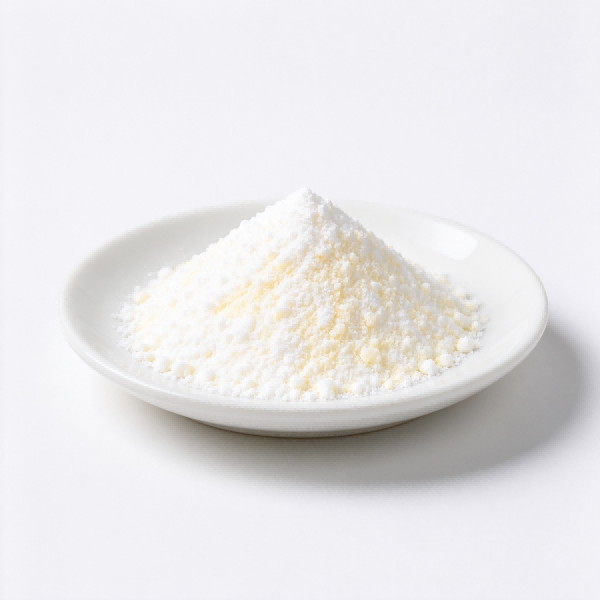
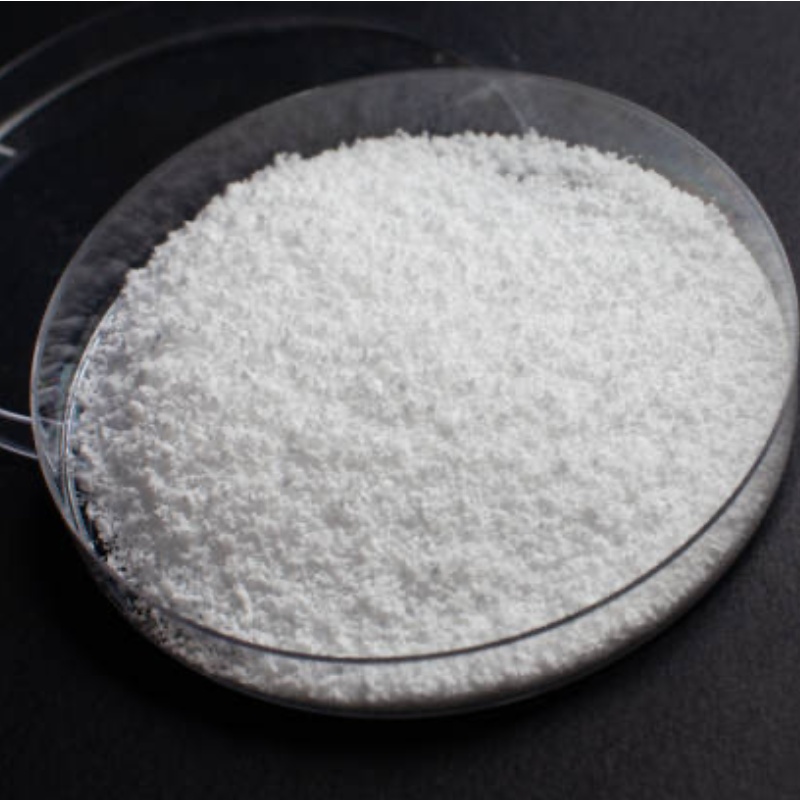
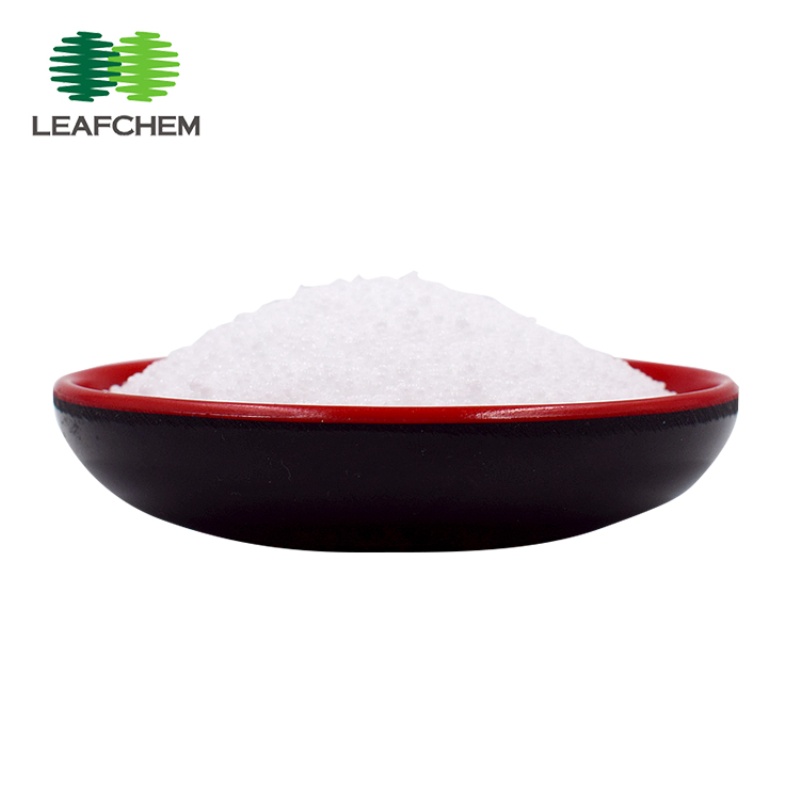
White to creamy-yellow, almost odourless crystalline powderAssay :
≥ 50.0%Application :
preservativeCore Advantages
For brine and salt-based processes the carrier introduces nothing fermentable, which removes a variable from a curing room where sugar-tolerant yeasts are already a concern.
Sodium chloride dissolves quickly, so the blend disperses in cold water without a separate wetting step and without agglomerates reaching the spray nozzles.
The carrier joins the salt already in the process rather than adding a new ingredient to the formulation or the label.
Total plate count ≤ 100 cfu/g, coliforms ≤ 30 MPN/100 g and Salmonella absent in 25 g are reported on each certificate of analysis.
Technical Specifications
|
Item |
Specification |
Result |
|
Description |
White to creamy-yellow, almost odourless crystalline powder |
Off-white, odourless crystalline powder |
|
Assay |
≥ 50.0% |
53.0% |
|
pH |
5.5 – 7.5 |
5.76 |
|
Loss on drying |
≤ 8.0% |
3.11% |
|
Heavy metals (as Pb) |
≤ 10 mg/kg |
< 10 mg/kg |
|
Lead (Pb) |
≤ 2 mg/kg |
0.068 mg/kg |
|
Total plate count |
≤ 100 cfu/g |
10 cfu/g |
|
Coliforms |
≤ 30 MPN/100 g |
< 30 MPN/100 g |
|
Salmonella |
Negative in 25 g |
Negative |
Key Application Fields
FAQ
Why use a sodium chloride carrier?
Because many natamycin applications already involve salt — brines, curing dips, salted casings. A salt carrier adds nothing new to the process, whereas glucose or lactose would introduce a sugar into a system where sugar-tolerant organisms are the target.
Will the salt carrier change the salinity of my brine?
It will, by the amount you add. The carrier is roughly half the product mass, so account for it when you calculate the brine strength. Our technical team can help with the arithmetic for your tank size.
Why is residue on ignition not specified?
Because sodium chloride is non-combustible. The residue-on-ignition test measures inorganic material left after burning off organic matter, and with a salt carrier the result would reflect the carrier rather than the purity of the active. The other purity parameters carry the specification instead.
Is the assay measured on the blend?
Yes. The certificate reports assay not less than 50.0% on the product as supplied, not the purity of the natamycin component.
Does natamycin work in a brine?
Natamycin is only slightly soluble in water, so in a brine it behaves as a dispersion rather than a solution. That is adequate for surface protection, where the deposit on the product surface is what matters, but the bath should be agitated to keep the dispersion uniform.
Which microorganisms does it control?
Yeasts and moulds. It has no useful activity against bacteria, so bacterial ripening cultures continue to work.
Is this use permitted in my market?
Natamycin is recognised as INS 235 / E 235 and listed in China under GB 2760 (CNS 17.030). Specific applications — including brine and casing dips — are permitted or restricted differently by market, so confirm the current entry before commercial use.
What are the minimum order and lead time?
500 kg minimum, two to three weeks from order confirmation, shipped from Shanghai in 25 kg woven bags with a polyethylene liner.
How should the bags be stored?
Cool, dry and dark, at or below 25 °C, in the original unopened packaging. Shelf life is 18 months from manufacture; reseal the liner after opening to keep humidity out.
Can you supply documentation for a customer audit?
Yes. A lot-specific certificate of analysis, a GHS-format safety data sheet and the specification sheet are issued as standard, and additional documents can be prepared for a specific customer audit.



leave a message







 IPv6 network supported