
Leave A Message
If you are interested in our products and want to know more details,please leave a message here,we will reply you as soon as we can.

Coco Fatty Diethanol Amide (Cocamide DEA) foam stabiliser and thickener for cleansing formulations| CAS 68603-42-9
Order(MOQ) :
500kgsProduct Origin :
ChinaColor :
Pale yellow to light amberShipping Port :
Shanghai, ChinaLead Time :
2-3 weeksWeight :
25kgCas No. :
68603-42-9Molecular Formula :
RCON(CH₂CH₂OH)₂ (R = coco alkyl)Appearance :
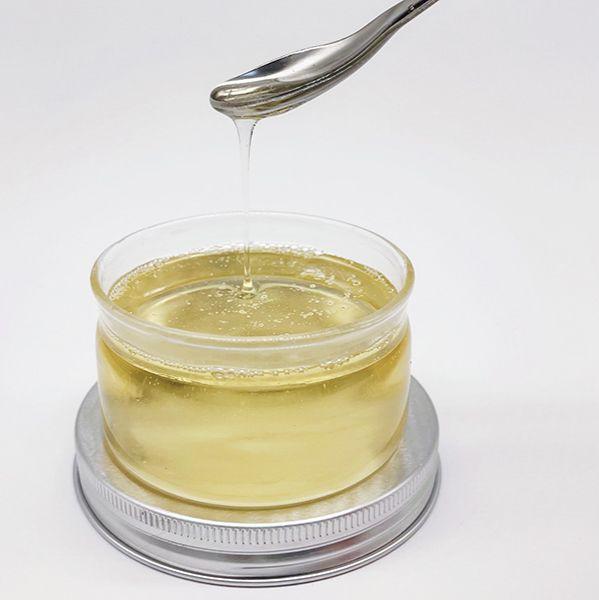
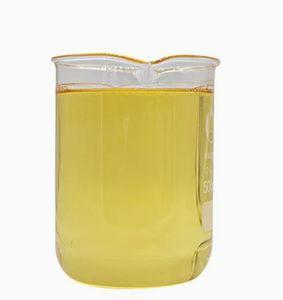
Pale yellow to light amber viscous liquidApplication :
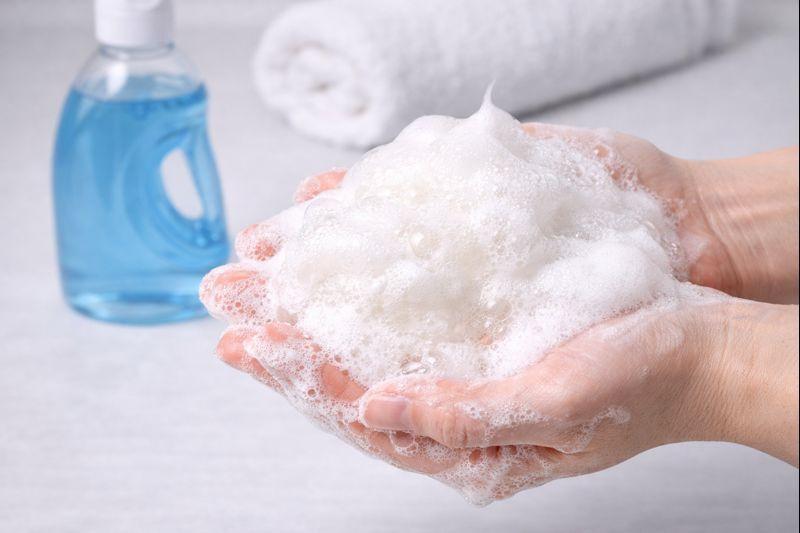
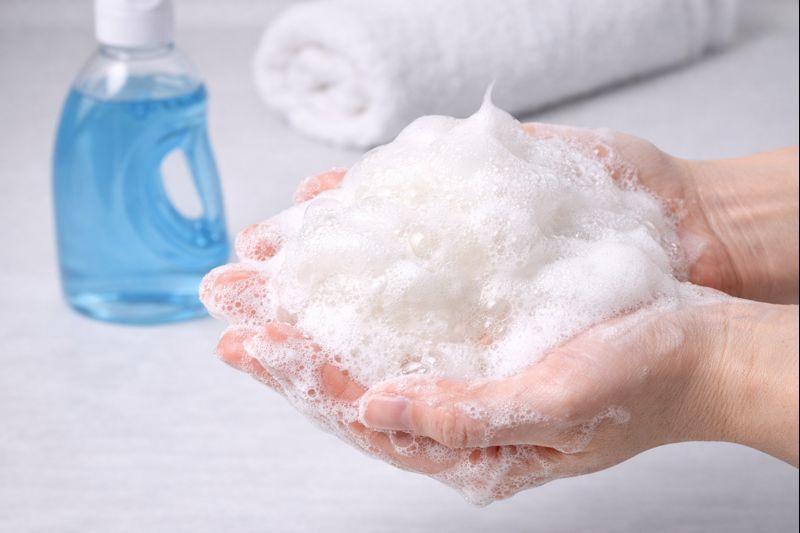
Shampoos, shower gels, body washes, hand soaps, dishwashing liquids, liquid detergentsCore Advantages
1. Consistent quality, verified batch by batch
The release specification is narrow enough to keep a production line stable, and it is checked on every lot rather than declared once. On the batch reported in the certificate of analysis accompanying this product, free fatty acid was 0.43 % against a limit of ≤ 1 %, free amine 5.54 % against ≤ 7.48 %, free amine value 29.65 mg KOH/g against ≤ 40 mg KOH/g, and pH 10.13 inside the 9.0–11.0 range. A low free fatty acid figure means less unconverted material and a cleaner, more predictable foam response.
2. Efficient foam boosting and foam stabilisation
Cocamide DEA adsorbs at the bubble interface and extends the life of the lamellae, so the foam lasts longer and feels denser. In SLES- or ALS-based systems this often allows a modest reduction in the primary surfactant without losing the lather the consumer expects, which helps both cost and mildness.
3. Reliable thickening without a salt curve
Because it interacts with the micelle network, the amide raises viscosity across a broad surfactant concentration range and reduces reliance on sodium chloride. Formulas thickened this way usually hold their texture through storage and are less sensitive to small batch-to-batch changes in the surfactant.
4. Broad compatibility and simple processing
The product is nonionic and free of cloud point, so it mixes readily with anionic and nonionic surfactants and with the amphoteric co-surfactants used in mild cleansing products. It is added at the blending stage and needs no special dispersion equipment, which keeps cycle times short and retrofits simple.
Technical Specifications
|
Item |
Specification |
|
Product Name |
Coco Fatty Diethanol Amide (Cocamide DEA; CDEA 6501) |
|
INCI Name |
Cocamide DEA |
|
CAS Number |
68603-42-9 |
|
EINECS Number |
271-657-0 |
|
Molecular Formula |
RCON(CH₂CH₂OH)₂, R = coco alkyl |
|
Appearance (25 °C) |
Pale yellow to light amber viscous liquid |
|
Free Fatty Acid |
≤ 1.0 % (typical 0.43 %) |
|
pH Value |
9.0–11.0 (typical 10.13) |
|
Free Amine |
≤ 7.48 % (typical 5.54 %) |
|
Free Amine Value |
≤ 40 mg KOH/g (typical 29.65 mg KOH/g) |
|
Ionic Type |
Nonionic |
|
Solubility |
Soluble in water in practically any proportion |
|
Cloud Point |
None |
|
Recommended Dosage |
1–5 % |
|
Minimum Order Quantity |
500 kg |
|
Packaging |
200 kg net plastic drum |
|
Storage |
5–35 °C, dry and ventilated, out of direct sunlight, containers kept closed |
Key Application
The recommended dosage is 1–5 % of the finished formula, adjusted to the surfactant system and to the viscosity target. The applications below follow the way the material is used in practice.
Formulation and Handling Notes:
Add the amide at the surfactant blending stage, before final thickening and pH adjustment, so that it disperses fully. In concentrated systems, pre-dissolving it in a portion of warm water shortens mixing time.
Cocamide DEA is stable across the pH range normally used in personal care. Avoid prolonged contact with strongly acidic media, which can hydrolyse the amide and release diethanolamine, and do not combine the material with nitrosating agents.
Viscosity and foam response depend on the whole surfactant system, not on the amide alone. When you change the primary surfactant or its level, run a small trial to re-confirm the dosage rather than scaling the previous figure.
Regulatory Considerations:
In the European Union, fatty acid dialkanolamides fall under Annex III, entry 60, of Regulation (EC) No 1223/2009. The entry caps nitrosamine content at 50 µg/kg, prohibits use together with nitrosating systems and requires the material to be kept in nitrite-free containers; it also sets limits on secondary amine content in the raw material and in the finished product. Buyers should check the free amine and free amine value on the batch certificate against the limits applicable in the market where the finished product is sold.
Elsewhere the ingredient is listed under its INCI name, Cocamide DEA, and is subject to the general requirements of the destination market, including the China Cosmetic Safety Technical Specification. Our technical team can provide the specification, certificate and safety data sheet that a registration or safety assessment requires.
FAQ:
Q1: What is Coco Fatty Diethanol Amide?
A: It is a nonionic surfactant made from coconut fatty acid and diethanolamine, known in the industry as Cocamide DEA, CDEA or 6501. It appears as a pale yellow viscous liquid, dissolves in water in practically any proportion and is used mainly as a foam booster and thickener in cleansing products.
Q2: What does it actually do in a formula?
A: It increases foam volume, keeps the lather stable and raises the viscosity of the surfactant base. Because it works through the micelle network rather than through a salt curve, it also makes the viscosity less sensitive to small changes in surfactant concentration.
Q3: Which surfactants is it compatible with?
A: It is fully compatible with anionic surfactants such as SLES and ALS, and with nonionic and amphoteric co-surfactants. As a nonionic material it does not form the complexes that cationic and anionic pairs can form, which makes it easy to place in most cleansing bases.
Q4: What dosage should I start with?
A: Start at 1–3 % for shampoos, hand soaps and facial cleansers, and 1–5 % for shower gels, dishwashing liquids and liquid detergents. Confirm the figure in a small trial, because the response depends on the primary surfactant and the target viscosity.
Q5: How should it be stored, and what is the shelf life?
A: Keep it between 5 and 35 °C in a dry, ventilated place out of direct sunlight, with the container closed. Typical shelf life is 24 months in unopened original packaging; the manufacturing date for each lot is stated on its certificate of analysis.
Q6: What are the order terms and documents?
A: The minimum order quantity is 500 kg, standard packing is a 200 kg net plastic drum, and lead time is 2–3 weeks. Each shipment includes a batch certificate of analysis and a safety data sheet, and third-party inspection can be arranged.



leave a message





 IPv6 network supported