
Leave A Message
If you are interested in our products and want to know more details,please leave a message here,we will reply you as soon as we can.



Order(MOQ) :
500kgsProduct Origin :
ChinaColor :
WhiteShipping Port :
Shanghai, ChinaLead Time :
2-3 weeksWeight :
25kgCas No. :
7681-93-8Molecular Formula :
C33H47NO13Appearance :
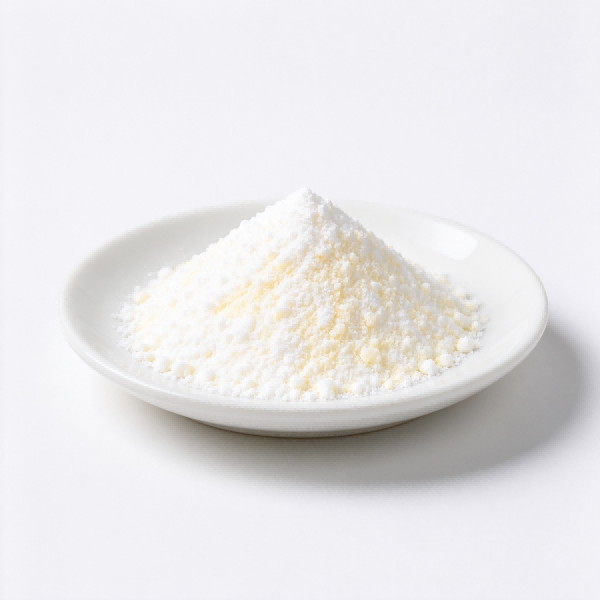
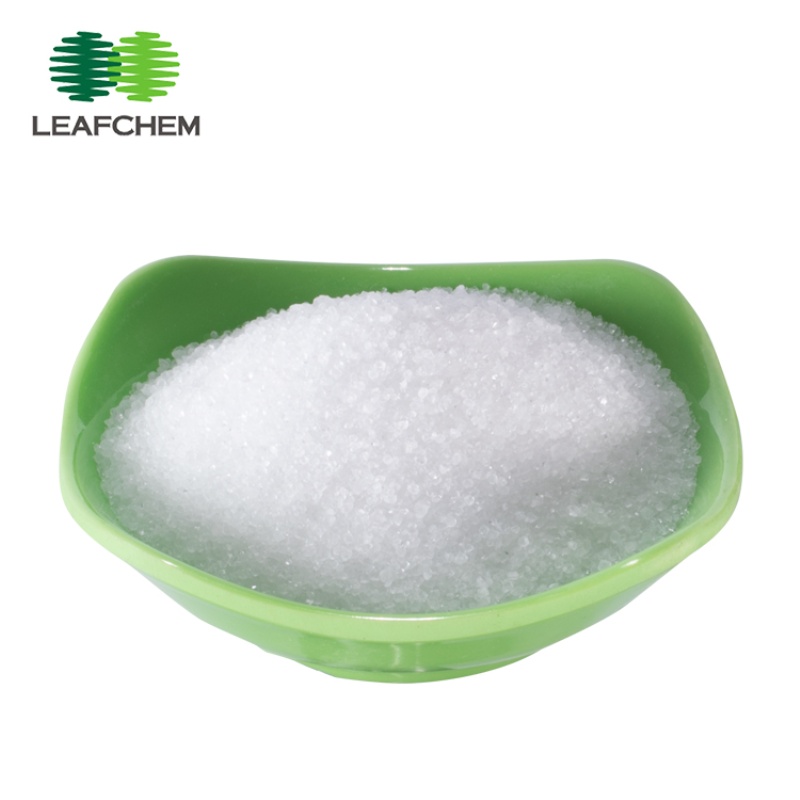
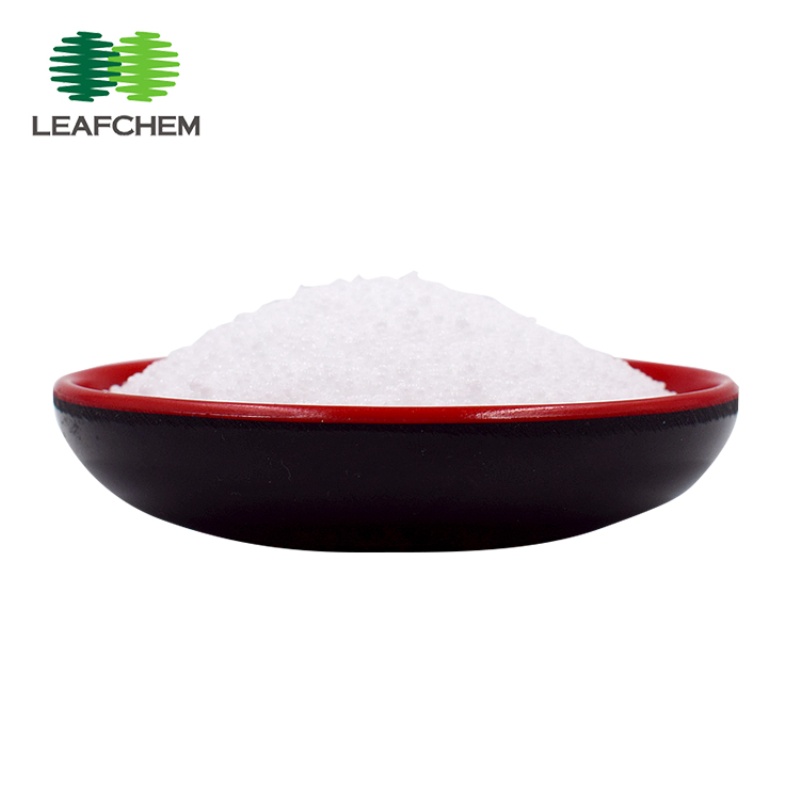
White to creamy-yellow, almost odourless crystalline powderAssay :
≥ 50.0%Application :
preservativeCore Advantages
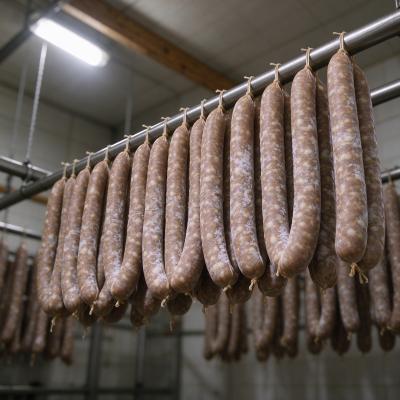
For cheese and dairy applications a lactose carrier keeps the composition of the treated surface coherent, which simplifies the ingredient statement compared with a sugar carrier.
Lactose holds the dispersed phase longer, which helps when a spray run or a dipping bath has to stay uniform across a long shift.
Lead not more than 2 mg/kg, heavy metals not more than 10 mg/kg, and a declared microbiological envelope on every lot.
The off-white to creamy tone and free-flowing behaviour reduce batch-to-batch variation in the appearance of treated rinds.
Technical Specifications
|
Item |
Specification |
Result |
|
Description |
White to creamy-yellow, almost odourless crystalline powder |
Milky-white, odourless crystalline powder |
|
Assay |
≥ 50.0% |
51.9% |
|
pH |
5.5 – 7.5 |
6.62 |
|
Loss on drying |
≤ 8.0% |
2.89% |
|
Residue on ignition |
≤ 0.5% |
0.314% |
|
Heavy metals (as Pb) |
≤ 10 mg/kg |
< 10 mg/kg |
|
Lead (Pb) |
≤ 2 mg/kg |
0.052 mg/kg |
|
Total plate count |
≤ 100 cfu/g |
42 cfu/g |
|
Coliforms |
≤ 30 MPN/100 g |
< 30 MPN/100 g |
|
Salmonella |
Negative in 25 g |
Negative |
Key Application Fields
FAQ
What is the difference between this grade and the glucose grade?
The active substance and its assay are identical; only the carrier differs. Lactose suits dairy-facing applications and slower-dissolving suspensions, while glucose dissolves faster and is neutral in taste.
Is the lactose carrier an allergen concern?
Lactose is a milk-derived carbohydrate. Whether it must be declared as milk on your label depends on the destination market’s allergen rules and on the quantity present in the finished product, so the declaration should be reviewed with your regulatory team before launch.
How much carrier is in the product?
Roughly half the mass. The certificate reports the assay of the blend as supplied, not the purity of the natamycin itself.
Does lactose sweetness affect the treated product?
No. Lactose is only slightly sweet and the amount applied to a surface is very small; it does not change the taste of a cheese rind or a casing.
Will the powder cake in storage?
Lactose is hygroscopic. Keep the liner sealed, store below 25 °C at moderate humidity, and reseal after each opening. Handled this way the material stays free-flowing for the 18-month shelf life.
Which microorganisms does it control?
Yeasts and moulds, through binding to ergosterol in the fungal membrane. It has no useful activity against bacteria, which is why bacterial ripening cultures are unaffected.
Is natamycin permitted on cheese in my market?
It is recognised as INS 235 / E 235; in the United States it is permitted for cheese surface treatment under 21 CFR 172.155, and in the EU it is authorised as E 235 for specific surface-treatment applications. Confirm the current text for your market and application before use.
What are the microbiological limits?
Total plate count ≤ 100 cfu/g, coliforms ≤ 30 MPN/100 g, Salmonella negative in 25 g. All three are reported on each certificate of analysis.
What are the minimum order and lead time?
500 kg minimum, two to three weeks from order confirmation, shipped from Shanghai in 25 kg fibre drums.
Can you supply a sample before we commit?
Yes, for evaluation against your own specification. Samples are drawn from a released lot and ship with the corresponding certificate so that what you test matches what you would buy.



leave a message





 IPv6 network supported