
Leave A Message
If you are interested in our products and want to know more details,please leave a message here,we will reply you as soon as we can.

EDTA Disodium Salt CAS 6381-92-6 | Bulk Chelating Agent Supplier
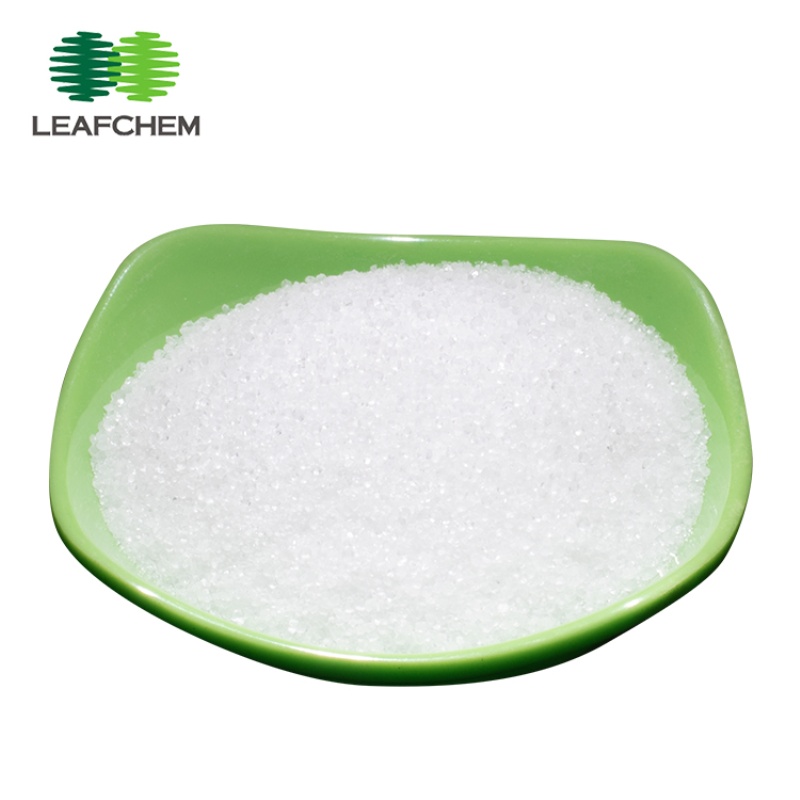
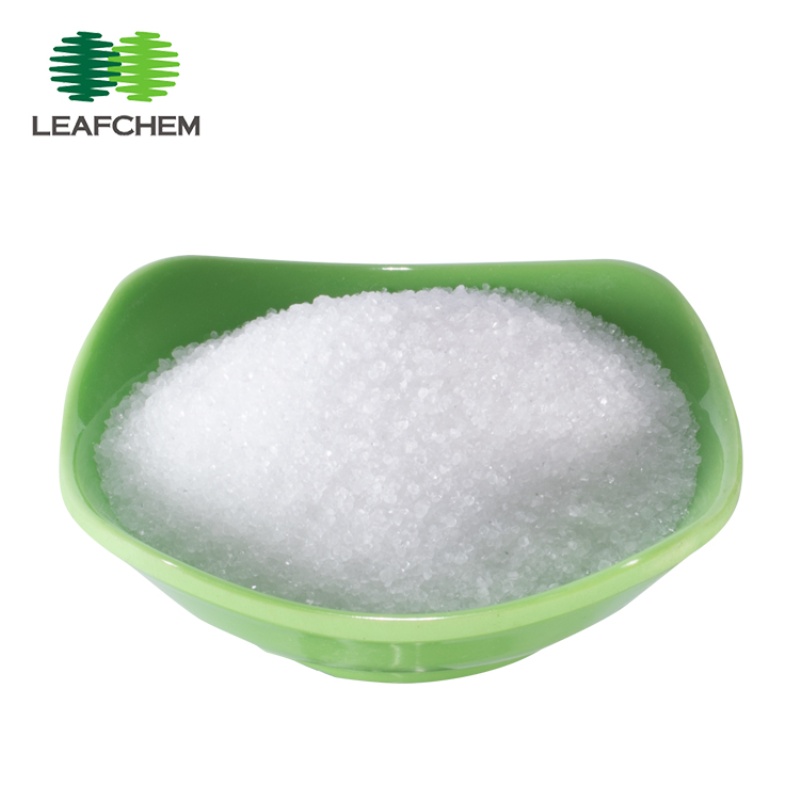
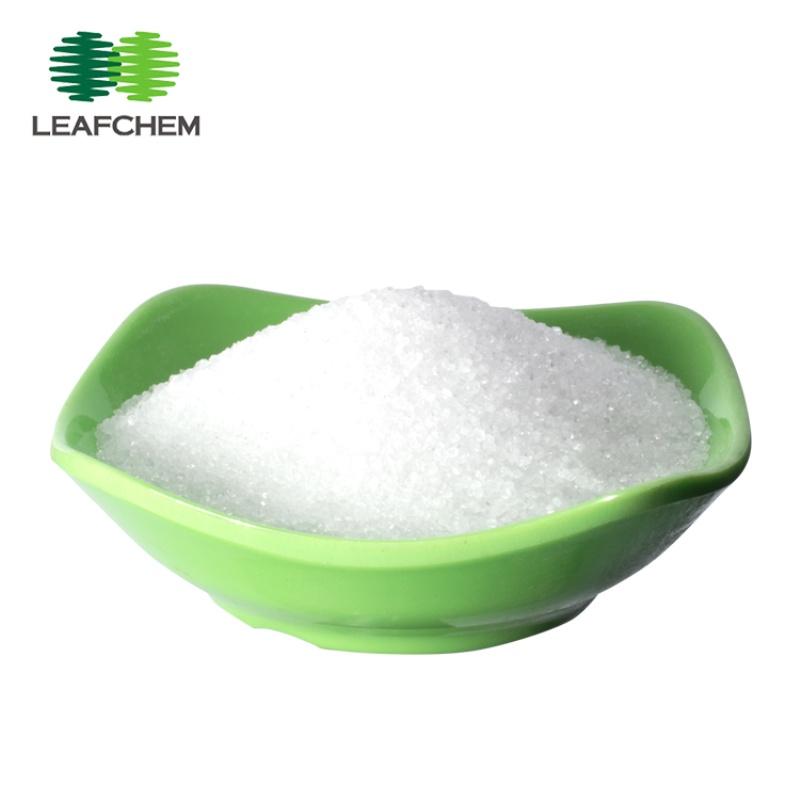
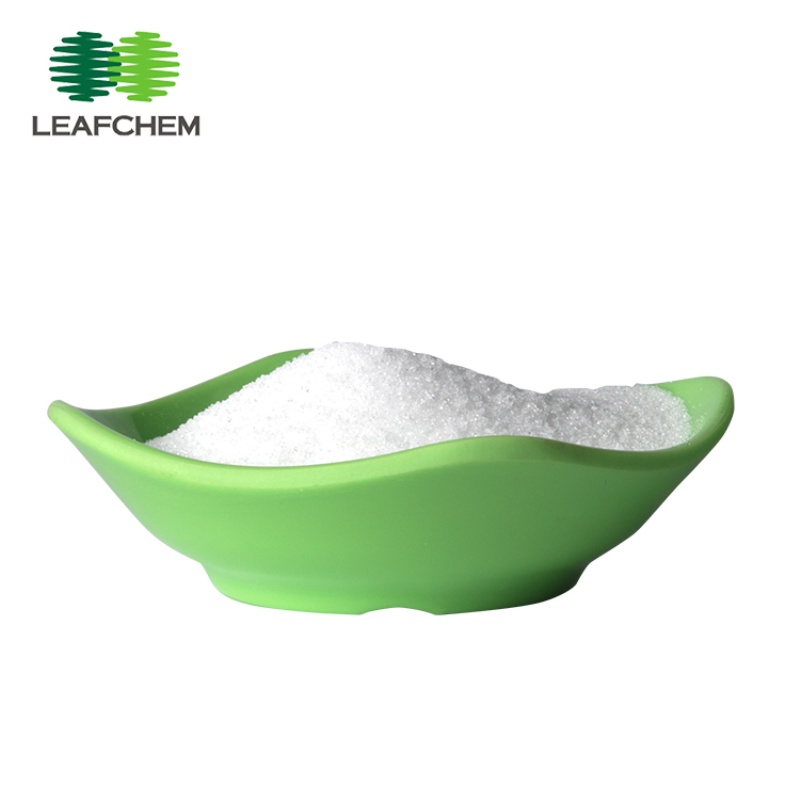
Item No :
LEAFCHEM 030Order(MOQ) :
100 KGSProduct Origin :
ChinaColor :
White (no discoloration or impurities)Lead Time :
2-3 WeeksWeight :
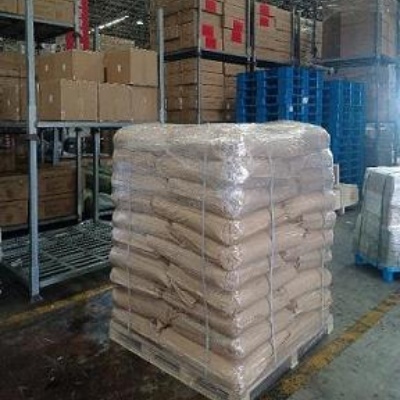
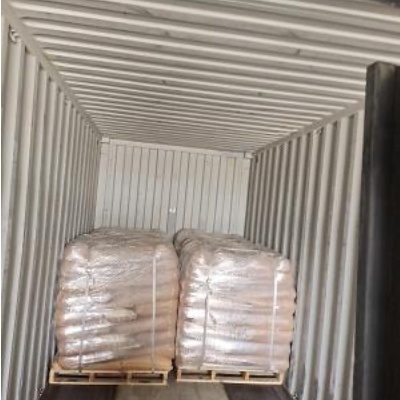
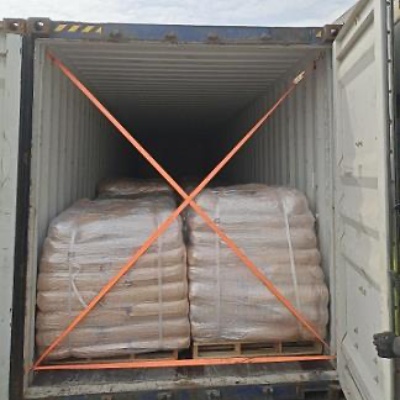
25kg/bag on palletsCas No. :
6381-92-6Molecular Formula :
C₁₀H₁₄N₂Na₂O₈·2H₂OAppearance :
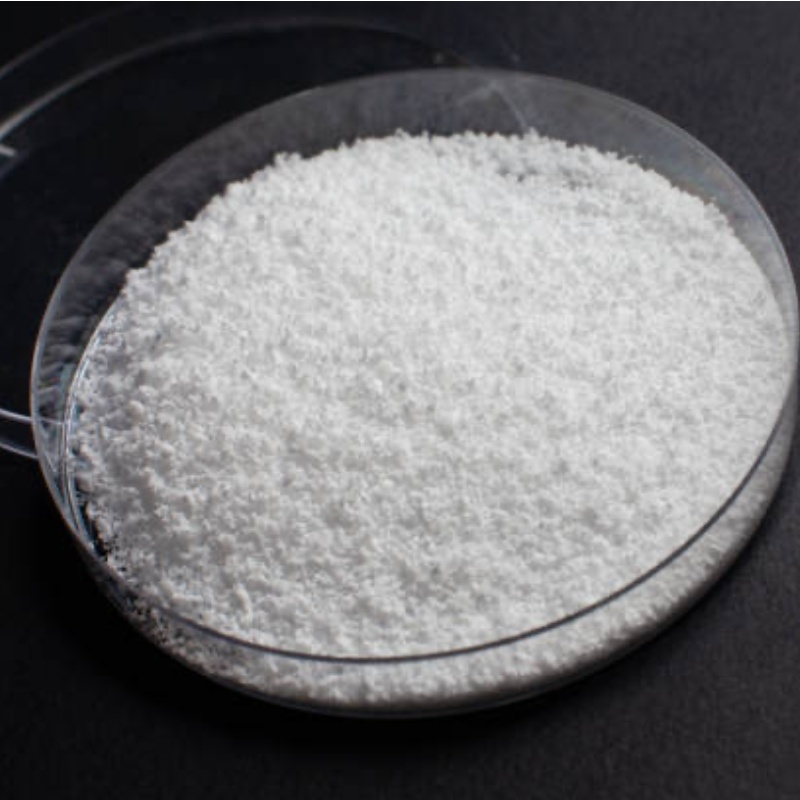
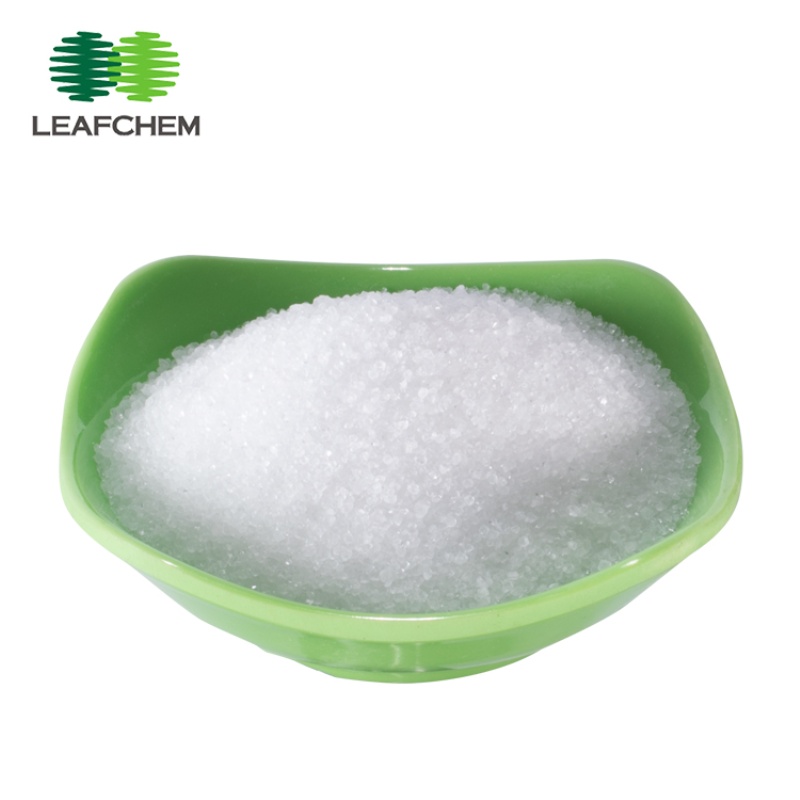
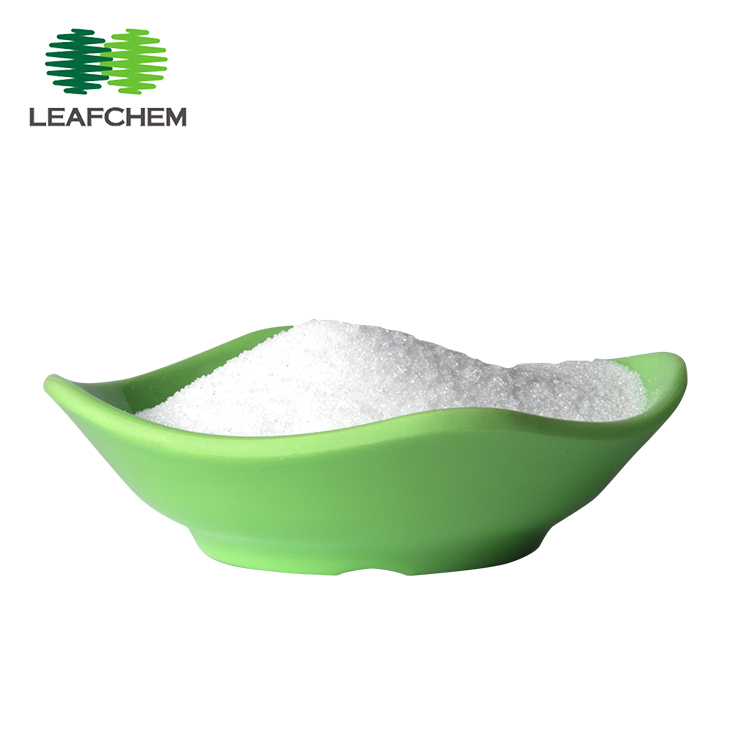
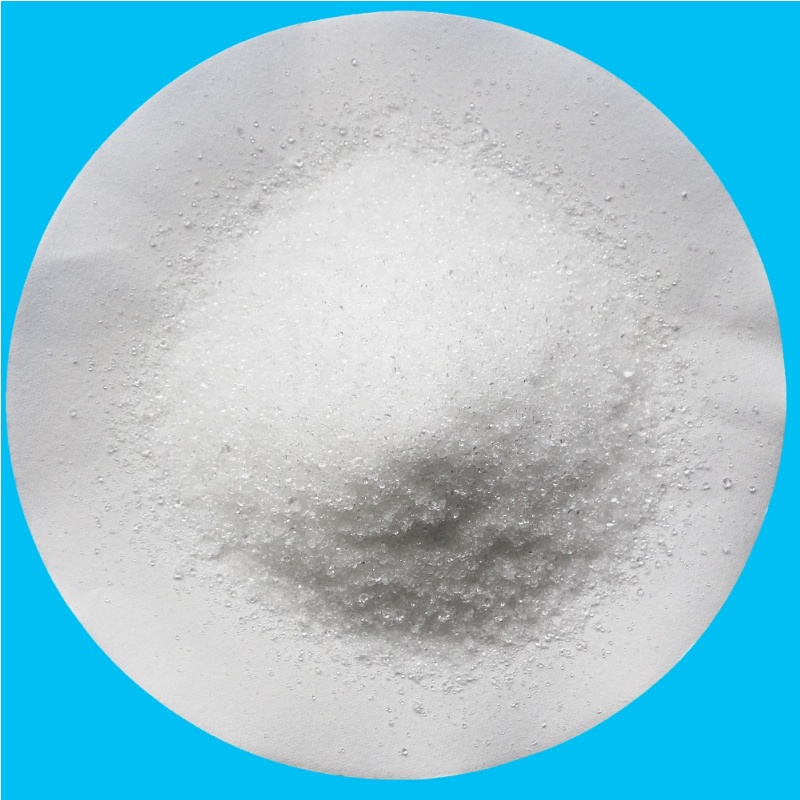
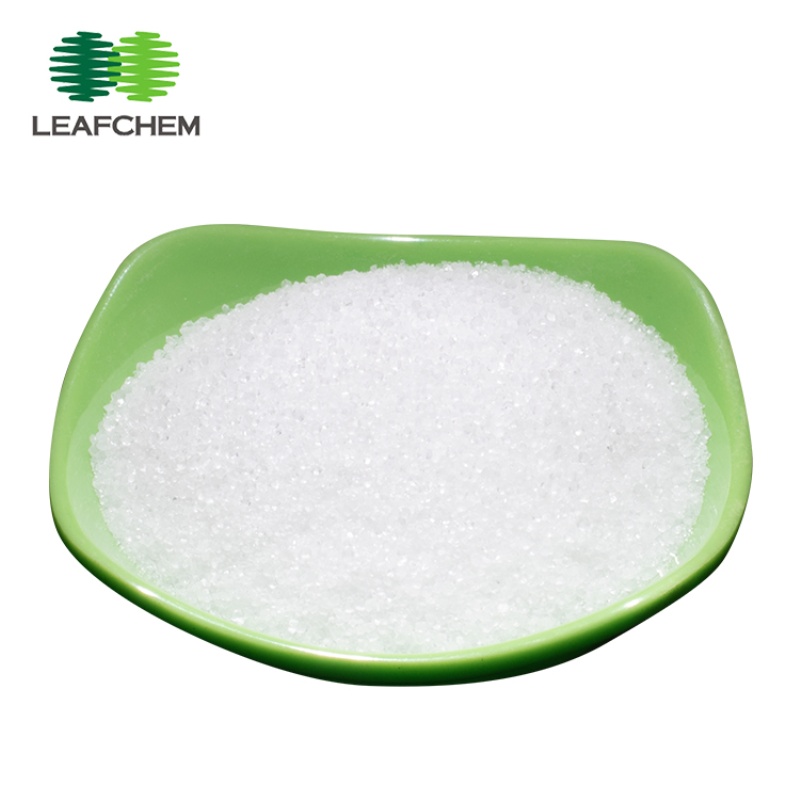
White crystalline powder with excellent flowabilityAssay :
Food grade: ≥ 98.5%Application :
Food Industry、Cosmetics、Pharmaceuticals、IndustrialCore Advantages
1. Scalable Supply & Cost Advantages
As a professional source manufacturer, we own mature chloroacetic acid synthesis production lines with an annual automated production capacity of over 10,000 tons. This guarantees stable on-time delivery for large bulk orders and enables us to offer highly competitive ex-factory prices.
2. Strict Quality Control & Global Regulatory Compliance
Our products fully comply with international standards including China GB 1886.100-2015 (National Standard for Food Additives), USP (United States Pharmacopeia), EP (European Pharmacopoeia), US FDA and EU Cosmetics Regulation (EC) No 1223/2009.
Each batch is accompanied by a complete Certificate of Analysis (COA) covering all critical safety indicators including assay, pH value, heavy metals (Pb/Fe), chlorides (Cl⁻), sulfates (SO₄²⁻), moisture content and residue on ignition.
3. Multiple Specifications & Professional Technical Support
Grade Options
We offer a comprehensive range of grades to meet diverse industry needs:
Food grade
Cosmetic grade
Pharmaceutical grade (USP)
Industrial grade
High-purity grade (99.99% metal basis)
Packaging Specifications
Available in various packaging forms:
25kg bags (PE inner bag + woven outer bag)
1 ton jumbo bags
Custom packaging available upon request
Technical Support
We provide professional formulation optimization suggestions and application compliance guidance for different application scenarios including food color protection, cosmetic preservation system construction and industrial water treatment processes.
Key Application Fields
1. Food Industry: Color Protection, Antioxidation & Preservation
EDTA-2Na plays a critical role in stabilizing color and extending shelf life in food processing:
Edible fungi & vegetable canning: When compounded with color-protecting agents in edible fungi and algae products, it effectively inactivates polyphenol oxidase (PPO) activity, prevents mushroom browning, and maintains the natural white appearance and nutritional quality of products for a long time. Recommended dosage: 0.1 - 0.2 g/kg.
Condiments & sauces: Used in soy sauce, salad dressings, mayonnaise and other products to prevent oxidative off-flavors caused by metal ion catalysis and maintain clear color.
Beverages & canned goods: Acts as an antioxidant and chelating agent in beer, wine and various meat and fruit cans to prevent turbidity, precipitation and oxidative deterioration.
Regulatory reference: According to China GB 2760 Standard for Food Additives, the maximum usage level is 0.075 – 0.2 g/kg depending on different food categories.
2. Cosmetics & Personal Care: Preservative Synergism & Foam Stabilization
EDTA-2Na is an indispensable auxiliary ingredient in high-end skincare and personal care formulations:
Preservative synergist: By binding with trace metal ions in products, it disrupts the growth environment of microorganisms, effectively enhancing the efficacy of the formulation's preservation system and reducing the required dosage of primary preservatives.
Foam stabilizer: Chelates calcium and magnesium ions in hard water in shampoos and body washes, enhancing the foaming ability of surfactants to produce richer, more stable and finer foam.
Antioxidant protection: Prevents discoloration and rancidity caused by metal ion catalysis in creams and serums containing natural oils or vitamin C, extending product shelf life.
Regulatory compliance: Listed in China's Inventory of Used Cosmetic Ingredients.
3. Pharmaceutical & Biotechnology: Pharmaceutical Excipients & Enzyme Inhibitors
Pharmaceutical excipients: Used as a stabilizer in topical creams, eye drops and injections to prevent oxidation or hydrolysis of active pharmaceutical ingredients.
Research & diagnostics: Acts as an inhibitor of nucleases (DNase) and proteases, protecting DNA and RNA from degradation. It is widely used in biopharmaceutical production and molecular biology experimental buffers.
4. Industrial & Environmental Applications: Water Treatment & Processing Aids
Industrial water treatment: Used as a scale inhibitor and cleaning agent for boiler water and cooling circulating water to prevent scaling in metal pipelines.
Textile & papermaking: Serves as an auxiliary agent to remove metal impurities from raw materials, improving bleaching and dyeing effects.
Metal surface cleaning & electroplating: Controls metal ion concentrations in electroplating baths to enhance coating uniformity and adhesion.
Technical Specifications
| Item | Typical Parameters | Test Standard / Remarks |
|---|---|---|
| Product Name | EDTA Disodium Salt Dihydrate / Disodium EDTA Dihydrate | —— |
| CAS Number | 6381-92-6 | Key identifier ¹ |
| Molecular Formula | C₁₀H₁₄N₂Na₂O₈·2H₂O | —— |
| Molecular Weight | 372.24 | —— |
| Appearance | White crystalline powder | Good flowability |
| Assay (Purity) | ≥ 99.0% (USP / Industrial grade); ≥ 98.5% (Food grade) | 30 |
| pH Value (1% Aqueous Solution) | 4.0 - 5.0 | 32 |
| Solubility | Readily soluble in water, almost insoluble in ethanol | Aqueous solution is weakly acidic |
| Chelating Value (as CaCO₃) | Approx. 260 - 290 mg CaCO₃/g | —— |
| Heavy Metals (as Pb) | ≤ 10 mg/kg | —— |
FAQ
Q1: What is EDTA-2Na?
A: EDTA-2Na (INCI Name: Disodium EDTA, Chemical Name: Ethylenediaminetetraacetic Acid Disodium Salt Dihydrate, CAS 6381-92-6, EINECS: 205-358-3) is a classic hexadentate strong chelating agent. Its molecular formula is C₁₀H₁₄N₂Na₂O₈·2H₂O with a molecular weight of 372.24 g/mol. The commercial form is a white crystalline powder with good flowability, readily soluble in water and almost insoluble in ethanol.
Q2: How does EDTA-2Na work as a chelating agent?
A: EDTA-2Na works through a unique six-coordination bond mechanism. Its molecule contains six donor atoms (two nitrogen atoms and four oxygen atoms) that can form stable 1:1 complexes with most divalent and trivalent metal ions such as Ca²⁺, Fe³⁺, Mg²⁺, Cu²⁺ and Zn²⁺.
By sequestering these metal ions, it effectively prevents metal-catalyzed oxidation, discoloration, rancidity and precipitation reactions, making it an indispensable stabilizer in various industries.
Q3: What are the main applications of EDTA-2Na?
A: EDTA-2Na is a versatile ingredient used across four major industries:
Food industry: Color protection agent, antioxidant and preservative in canned foods, condiments, beverages and edible fungi
Cosmetics & personal care: Preservative synergist, foam stabilizer and antioxidant in shampoos, creams, serums and makeup
Pharmaceutical & biotechnology: Pharmaceutical excipient, stabilizer and enzyme inhibitor in injections, eye drops and biological buffers
Industrial applications: Scale inhibitor, cleaning agent and processing aid in water treatment, textile, papermaking and electroplating
Q4: What is the recommended dosage of EDTA-2Na?
A: Dosage varies by application and regulatory requirements:
Food industry: 0.075 - 0.2 g/kg according to China GB 2760; 0.1 - 0.2 g/kg for edible fungi canning
Cosmetics: 0.05% - 0.2% for most formulations; up to 0.5% in rinse-off products
Industrial water treatment: 5 - 50 mg/L depending on water hardness
Pharmaceuticals: 0.01% - 0.5% as a stabilizer
Q5: Is EDTA-2Na safe for use in food and cosmetics?
A: Yes, EDTA-2Na has an excellent safety profile when used within recommended concentrations:
Global regulatory approval: Approved by US FDA, EU EFSA, and listed in China's GB 2760 and Inventory of Used Cosmetic Ingredients
CIR Safety Assessment: The Cosmetic Ingredient Review (CIR) Expert Panel has concluded that Disodium EDTA is safe for use in cosmetics at concentrations up to 2%
Low toxicity: It has extremely low acute toxicity, is not absorbed through the skin, and is rapidly excreted from the body
Q6: What grades of EDTA-2Na do you offer?
A: As a professional source manufacturer, we provide a comprehensive range of grades:
Food grade: ≥98.5% purity, meets GB 1886.100-2015 standard
Cosmetic grade: ≥99.0% purity, suitable for personal care products
Pharmaceutical grade (USP/EP): ≥99.0% purity, meets United States Pharmacopeia and European Pharmacopoeia standards
Industrial grade: ≥99.0% purity, for water treatment and industrial applications
High-purity grade: 99.99% - 99.999% metal basis, for electronic and semiconductor applications
Q7: What is the formulation compatibility of EDTA-2Na?
A: EDTA-2Na exhibits excellent formulation compatibility:
pH stability: Stable in formulations with pH 4.0 - 10.0
Temperature stability: Stable up to 120°C, suitable for most high-temperature processing
Ingredient compatibility: Fully compatible with anionic, cationic and nonionic surfactants, preservatives, emulsifiers and most active ingredients
Synergistic effects: Works exceptionally well with parabens, phenoxyethanol and other preservatives to enhance preservation efficacy
Q8: What is the difference between EDTA-2Na and other EDTA salts?
A: The main differences lie in solubility and pH characteristics:
EDTA-2Na: Solubility ~11 g/100mL water at 25°C, pH 4.0-5.0 (1% solution), most widely used general-purpose chelating agent
EDTA-4Na: Higher solubility (~40 g/100mL), pH ~10.5, suitable for alkaline formulations
EDTA Acid: Very low solubility, used in specialty applications requiring low pH



leave a message



 IPv6 network supported