
Leave A Message
If you are interested in our products and want to know more details,please leave a message here,we will reply you as soon as we can.

Synthetic Camphor (CAS 76-22-2) High Purity Bulk Manufacturer
Item No :
Full DetailsOrder(MOQ) :
100kgsProduct Origin :
ChinaColor :
Colorless to whiteShipping Port :
Shanghai, ChinaLead Time :
2-3 weeksWeight :
25kgCas No. :
76-22-2Molecular Formula :
C₁₀H₁₆OAppearance :
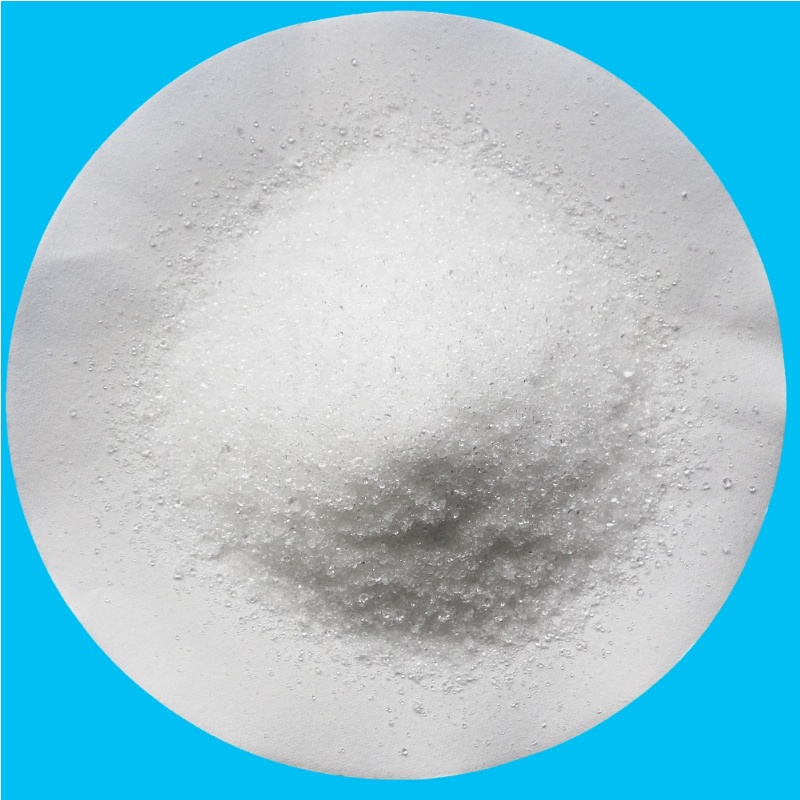
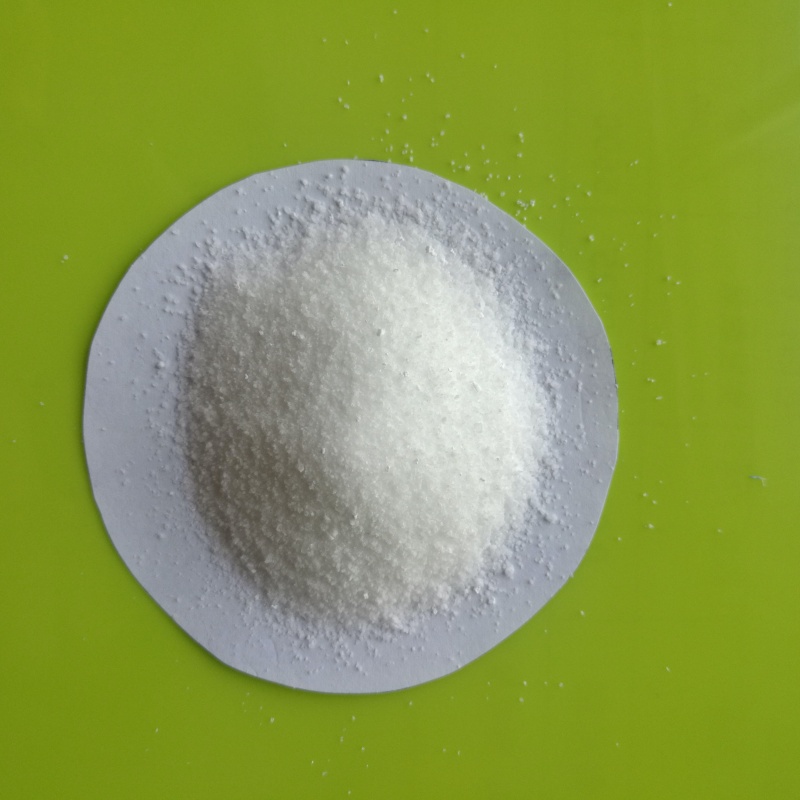
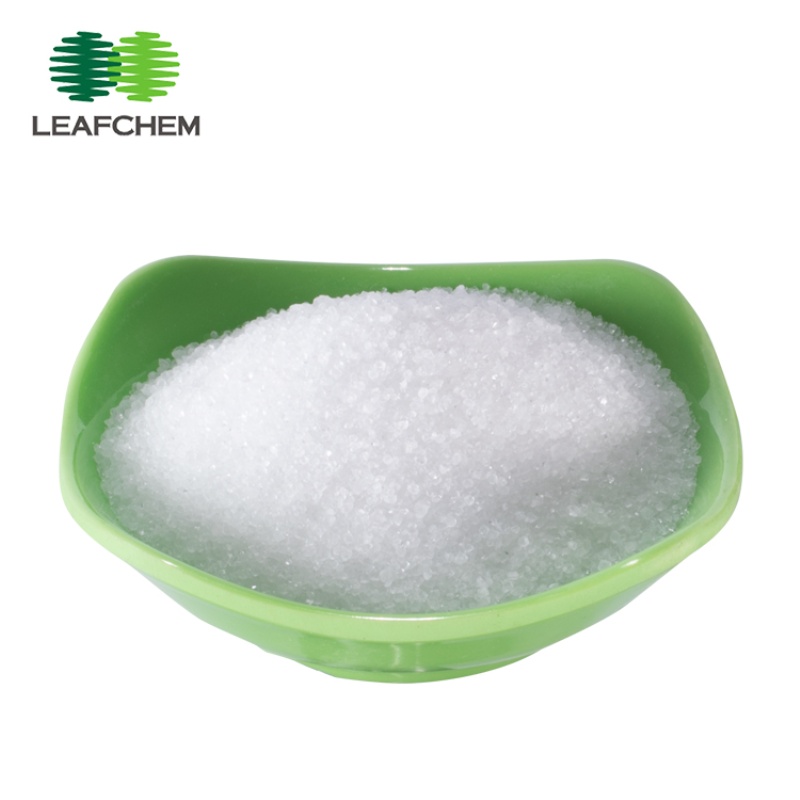
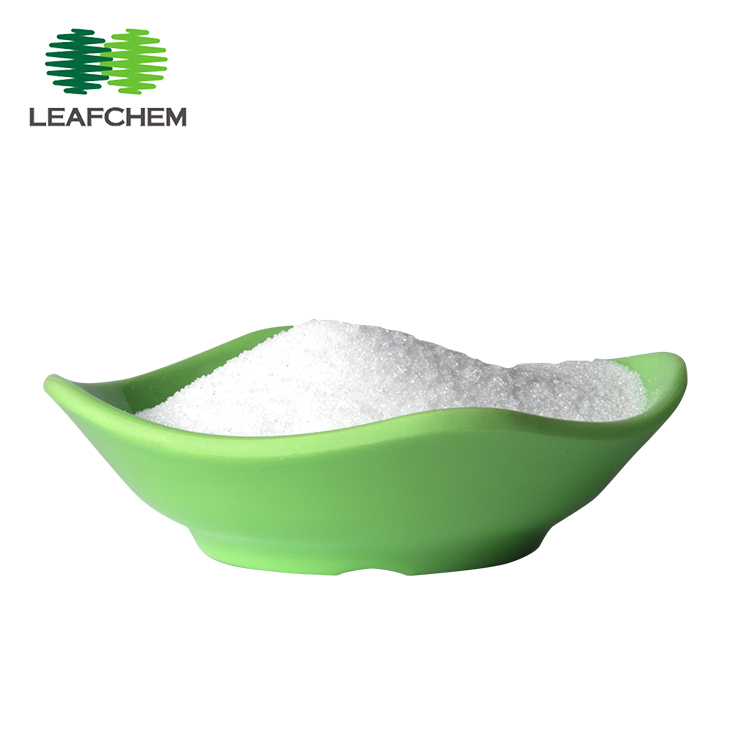
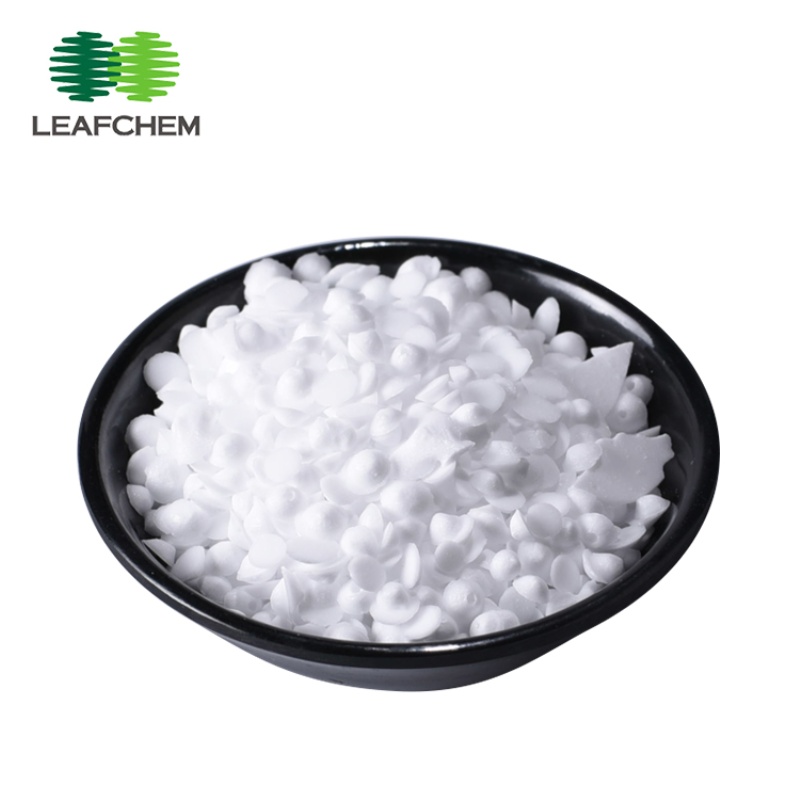
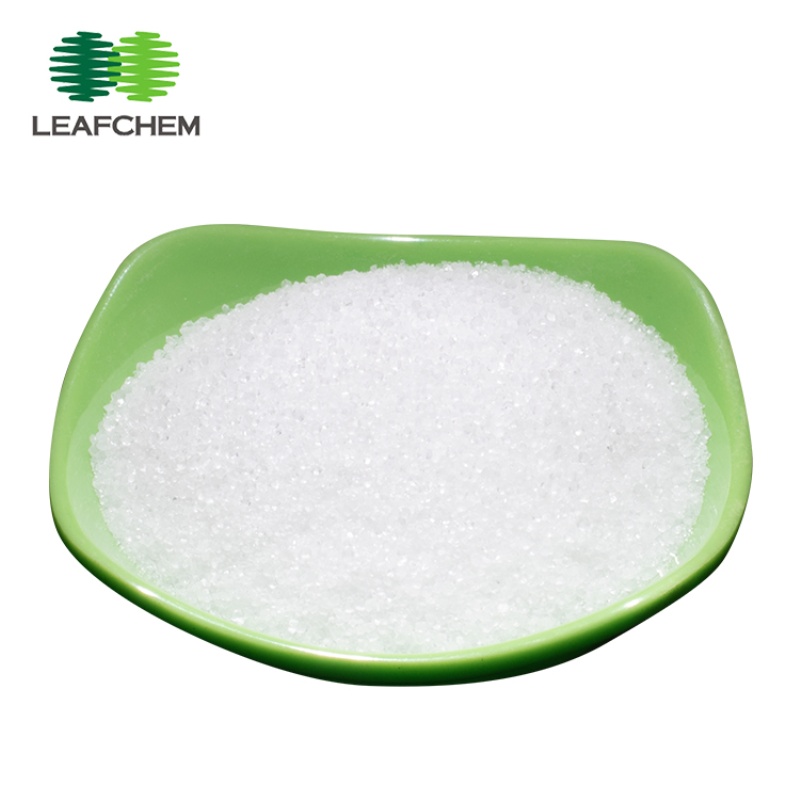
Colorless to white translucent crystalline powder or lumps, with a characteristic penetrating camphorwood odor; slowly volatilizes at room temperatureAssay :
≥ 96% – 99% (HPLC)Application :
Pharmaceuticals Daily Chemicals Industry Laboratory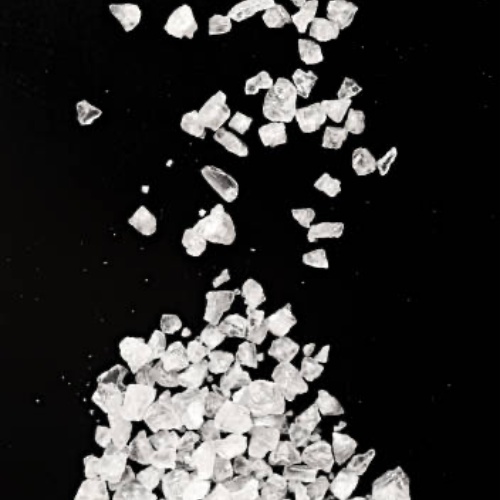
Camphor Synthetic (CAS 76-22-2) is a bicyclic monoterpenone compound chemically synthesized from pinene derived from turpentine.
It appears as colorless to white translucent crystalline powder or lumps, with a penetrating, characteristic camphorwood odor.
As a high-quality substitute for natural camphor, synthetic camphor has multiple functions including antiseptic, analgesic, antipruritic, penetration-enhancing and plasticizing effects.
It is widely used in pharmaceutical preparations (topical analgesic ointments, antitussive liniments), daily chemical products (moth repellents, fragrances), and industrial applications (celluloid plasticizer, paints, fireworks).
As a professional source manufacturer, we provide high-purity synthetic camphor and support stable bulk supply for global customers.
Core Advantages
Large-scale Supply & Cost Advantages
As a professional source manufacturer, we adopt advanced synthetic technology using turpentine as raw material, with large-scale production lines to ensure stable delivery of bulk orders and offer competitive factory prices.
World-leading producers such as Fujian Qingsong and India Saptagir also use this production route.
Strict Quality & Global Compliance
Our product meets international standards including Chinese Pharmacopoeia and US FDA.
A complete Certificate of Analysis (COA) is provided for each batch, covering assay, melting point, solubility, related substances, heavy metals, residue on ignition and other key indicators.
Multiple Specifications & Technical Support
Purity grades: 96%, 99% and other customizable specifications
Packaging: 1kg, 5kg, 25kg, 180kg and other packaging options
Application support: We provide professional technical support and formulation suggestions for different scenarios, such as pharmaceutical formulation optimization and industrial plasticizer process adaptation.
International Certifications & Export Support
Our products are exported to North America, EU, Southeast Asia and other regions.
We can supply compliance documents and transport packaging that meet target market requirements, in full compliance with UN 2717 dangerous goods transportation regulations.
Safety & Handling Instructions
Toxicity: Toxic if swallowed. For external and industrial use only. Do not ingest. Seek immediate medical attention in case of emergency.
Flammability: This product is a flammable solid (H228). Keep away from heat, sparks and open flames.
Handling protection: May cause skin irritation (H315), serious eye damage (H318) and respiratory irritation (H332). Wear dust mask, chemical goggles and protective gloves. Operate in a well-ventilated area.
Storage & transportation: Store in a cool, dry and well-ventilated warehouse. Keep separate from oxidizing agents and acids. Recommended storage temperature is below 30°C.
Technical Specifications
| Item | Typical Specifications | Test Standard/Remarks |
| Product Name | Synthetic Camphor | Also known as DL-Camphor, Racemic Camphor |
| CAS No. | 76-22-2 | Key identifier (racemic mixture) |
| Molecular Formula | C₁₀H₁₆O | —— |
| Molecular Weight | 152.23 | —— |
| Appearance | Colorless to white translucent crystalline powder or lumps | Slowly volatilizes at room temperature |
| Assay | ≥ 96% – 99% | Customizable purity grades available |
| Melting Point | 170°C – 180°C | —— |
| Optical Purity | -0.15° to +0.15° | Indicates non-optically active racemic form |
| Solubility |
Slightly soluble in water (1.2 g/L @ 20°C), freely soluble in ethanol and oils |
—— |
| Boiling Point |
204°C |
—— |
| Solubility |
0.992 – 0.995 (@25°C) |
—— |
| Hazard Classification |
UN 2717, Hazard Class 4.1 (Flammable Solid) |
—— |
Key Application
1. Pharmaceutical & Healthcare Products
Synthetic camphor is a classic active ingredient for topical pharmaceutical use.
Analgesic & antipruritic: Widely used in muscle pain creams, antipruritic creams, essential balm, and cooling oils. It stimulates cold receptors to produce a cooling sensation, relieving pain and itching.
Antitussive & expectorant: Used as an active ingredient in cough liniments and vapor inhalants to relieve bronchitis and cough.
Penetration enhancer: Its lipophilic property helps other active ingredients penetrate the skin stratum corneum.
Notes: Toxic if swallowed. For external use only. According to FDA regulations, camphor content in pharmaceutical products shall not exceed 11%.
2. Daily Chemicals & Fragrances
Moth & insect repellent: Used as the active ingredient in mothballs to protect clothes and books from moths and mildew.
Fragrance fixative: Used in perfumes, air fresheners, and personal care products to provide a fresh herbal note.
Antiseptic & plasticizer: Used in small amounts as a preservative and plasticizer in cosmetics.
3. Industrial Plastics & Chemicals
Celluloid plasticizer: An essential plasticizer for producing celluloid (nitrocellulose plastics), improving flexibility and processability.
Chemical intermediate: A key raw material for manufacturing fine chemicals such as camphorsulfonic acid and isobornyl acetate.
Other industrial uses: Applied in the production of paints, varnishes, fireworks, explosives and pyrotechnics.
4. Laboratory & Research Applications
Organic synthesis: Used as a reference standard or starting material for the synthesis of complex molecules.
FAQ: Camphor Synthetic
1. What is Synthetic Camphor?
Synthetic Camphor is a bicyclic monoterpenone made from turpentine. It is a high-quality substitute for natural camphor, widely used in pharma, daily chemicals, and industry.
2. What are the main functions of Synthetic Camphor?
It has analgesic, antipruritic, antiseptic, penetration-enhancing, and plasticizing effects.
3. What is the appearance of Synthetic Camphor?
It appears as colorless to white translucent crystalline powder or lumps, with a strong characteristic camphor odor.
4. What purity grades are available?
We supply 96% and 99% high-purity synthetic camphor, suitable for pharmaceutical and industrial use.
5. What are the main applications?
Pharmaceutical: topical pain relief, antipruritic creams, antitussive liniments.
Daily chemicals: moth repellents, fragrances, preservatives.
Industrial: plasticizer for celluloid, chemical intermediate, paints, fireworks.
6. Is Synthetic Camphor safe?
Toxic if swallowed. For external and industrial use only.
It is a flammable solid (UN 2717). Keep away from heat and open flame.
May irritate skin, eyes, and respiratory tract. Use with protection.
7. What is the max allowed camphor content in drugs?
According to FDA regulations, camphor content in pharmaceutical products must not exceed 11%.
8. How to store Synthetic Camphor?
Store in a cool, dry, ventilated warehouse below 30°C.
Keep away from oxidizers, acids, heat, and fire.
9. What packaging do you provide?
We offer 1kg, 5kg, 25kg, 180kg packaging, compliant with UN 2717 dangerous goods transport.
10. Do you supply bulk Synthetic Camphor?
As a source manufacturer, we provide stable bulk supply with COA and full export documents.



leave a message



 IPv6 network supported