Leave A Message
If you are interested in our products and want to know more details,please leave a message here,we will reply you as soon as we can.

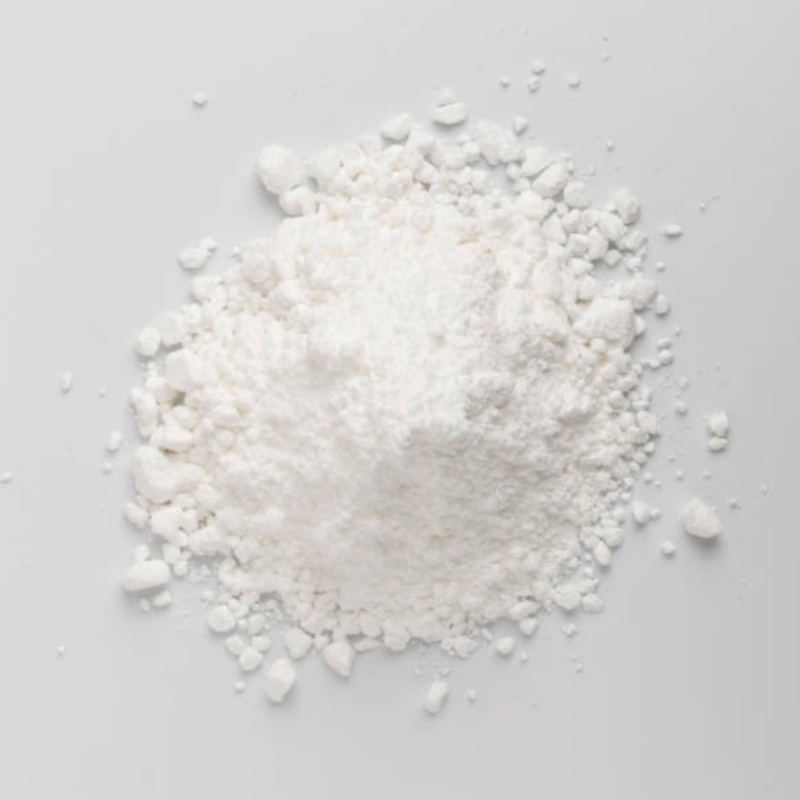
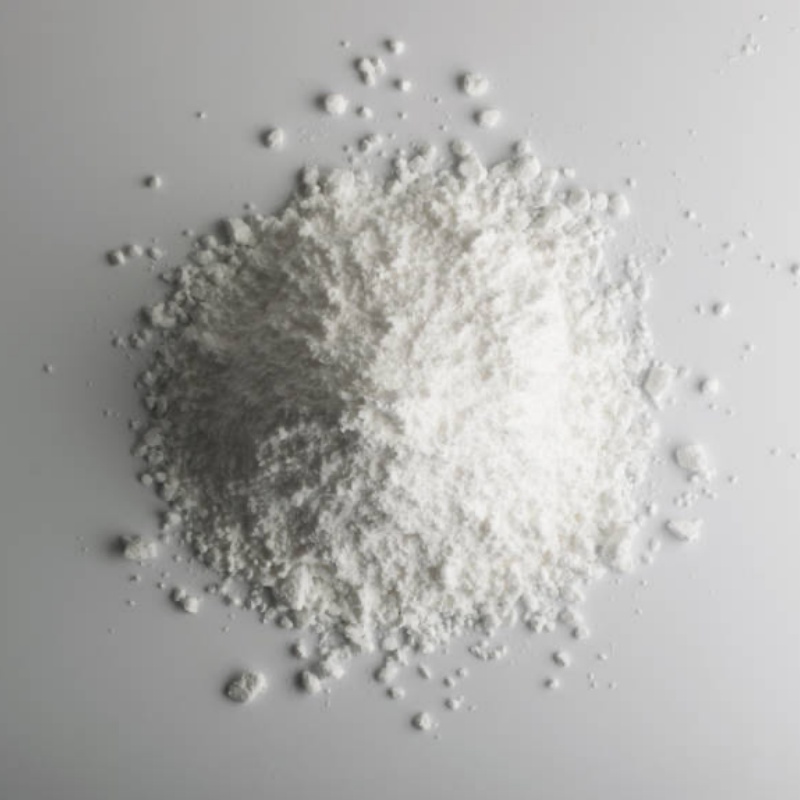
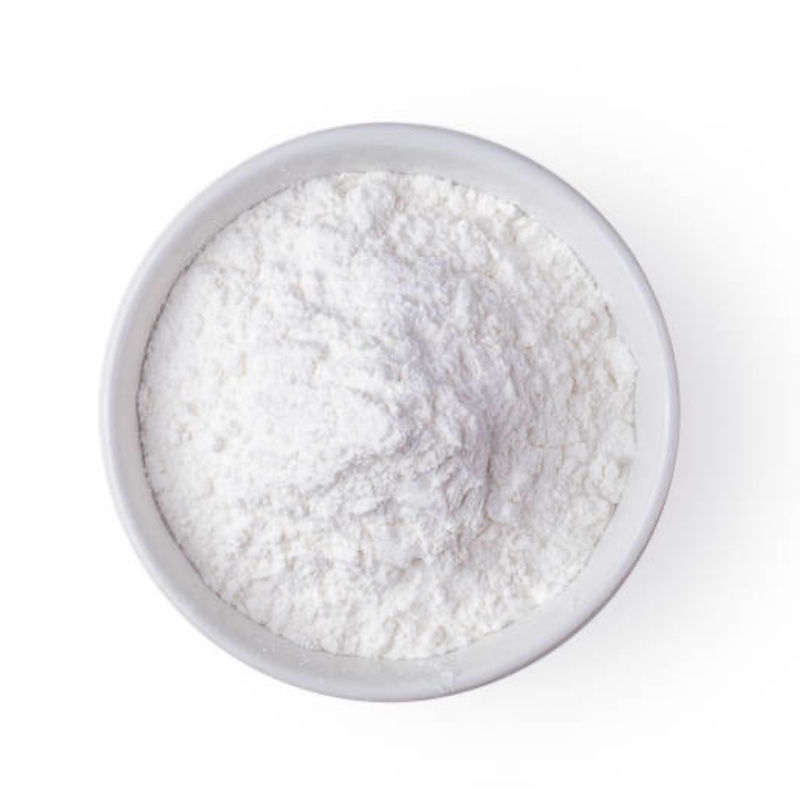
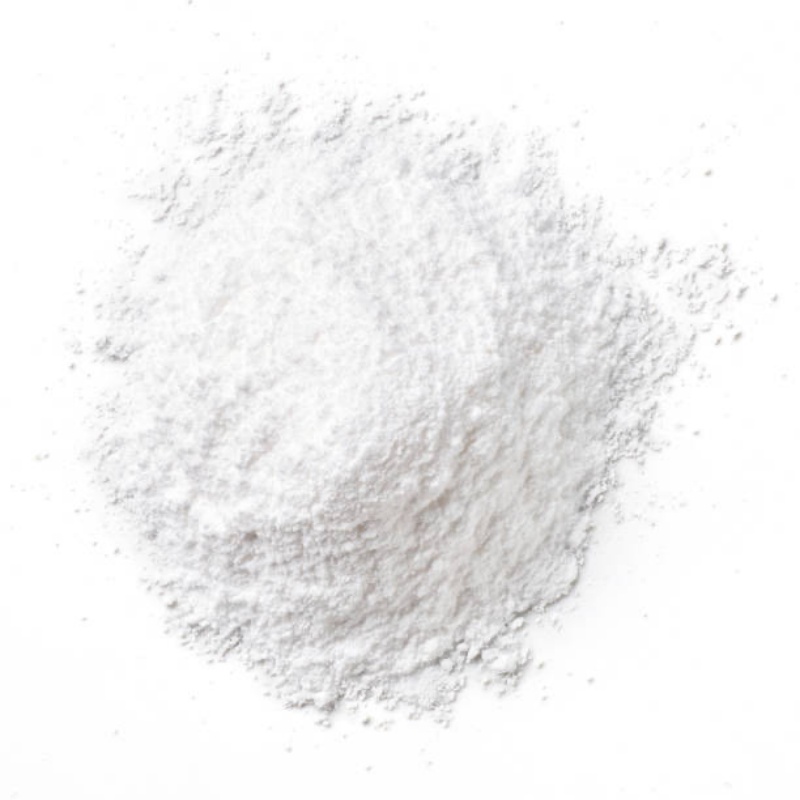
Item No :
LEAFCHEM 030Order(MOQ) :
100 KGSProduct Origin :
ChinaColor :
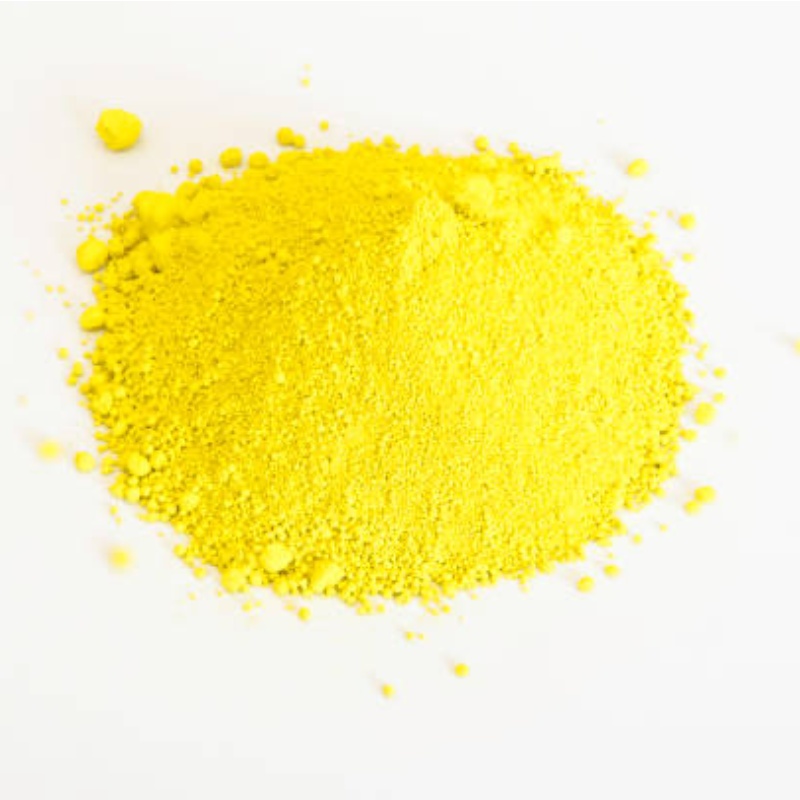
White to pale yellow, free of visible mechanical impuritiesLead Time :
2-3 WeeksWeight :
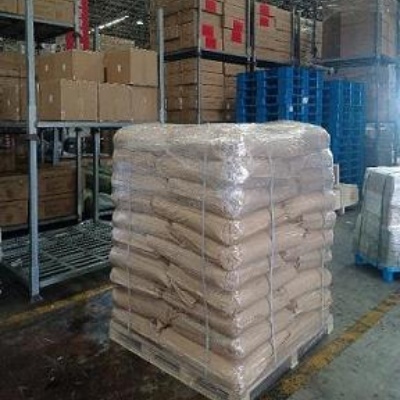
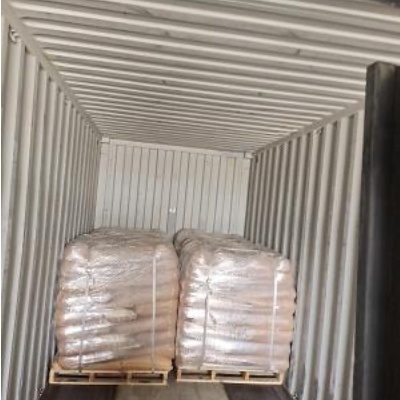
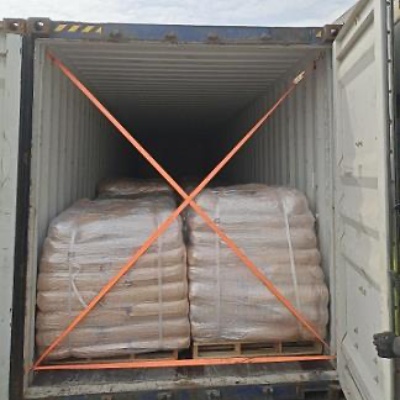
25kg/bag on palletsCas No. :
501-30-4Molecular Formula :
C₆H₆O₄Appearance :
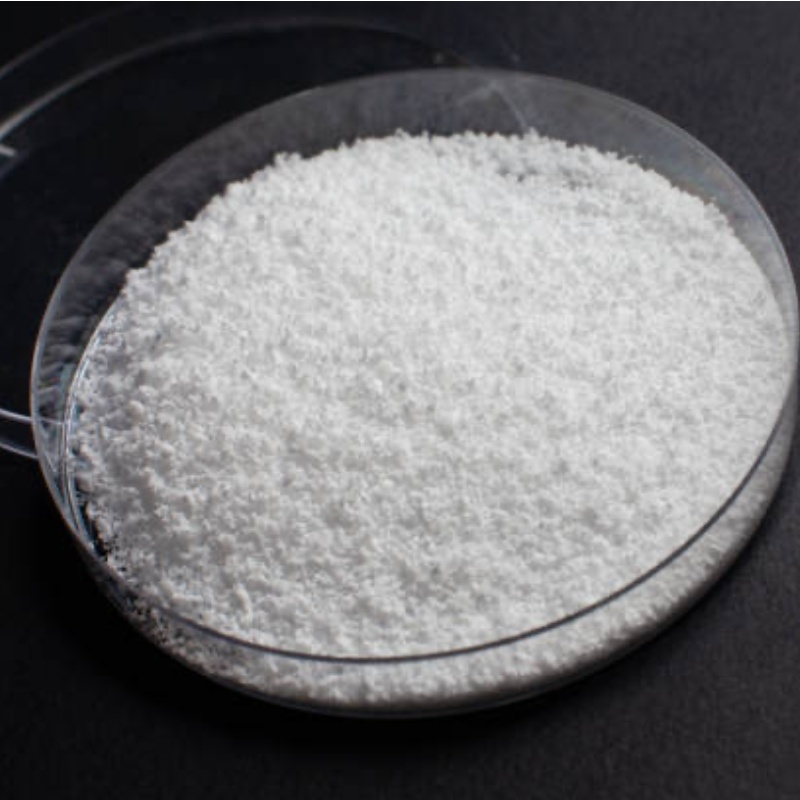
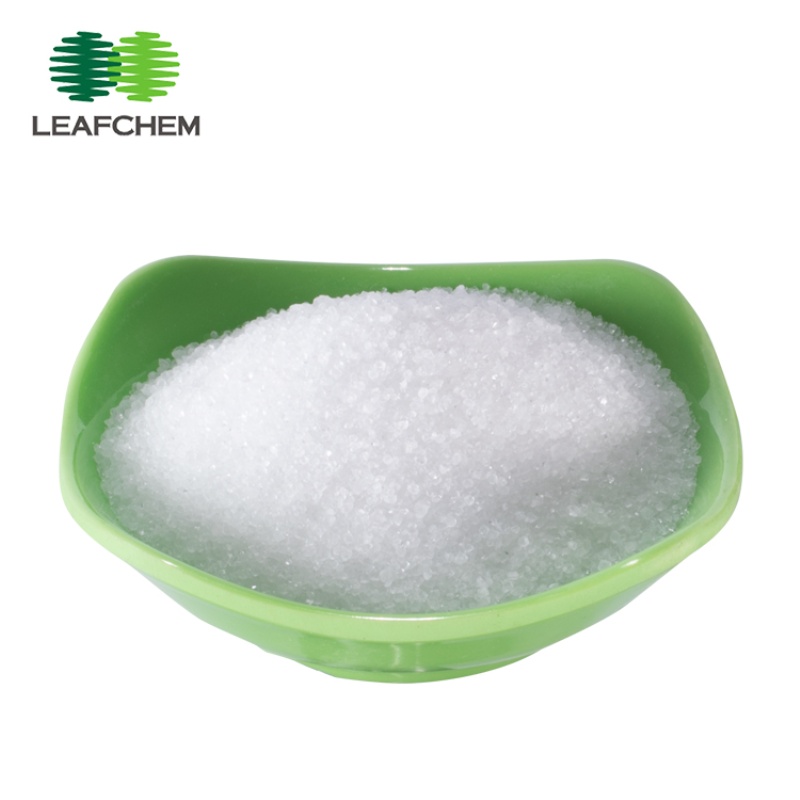
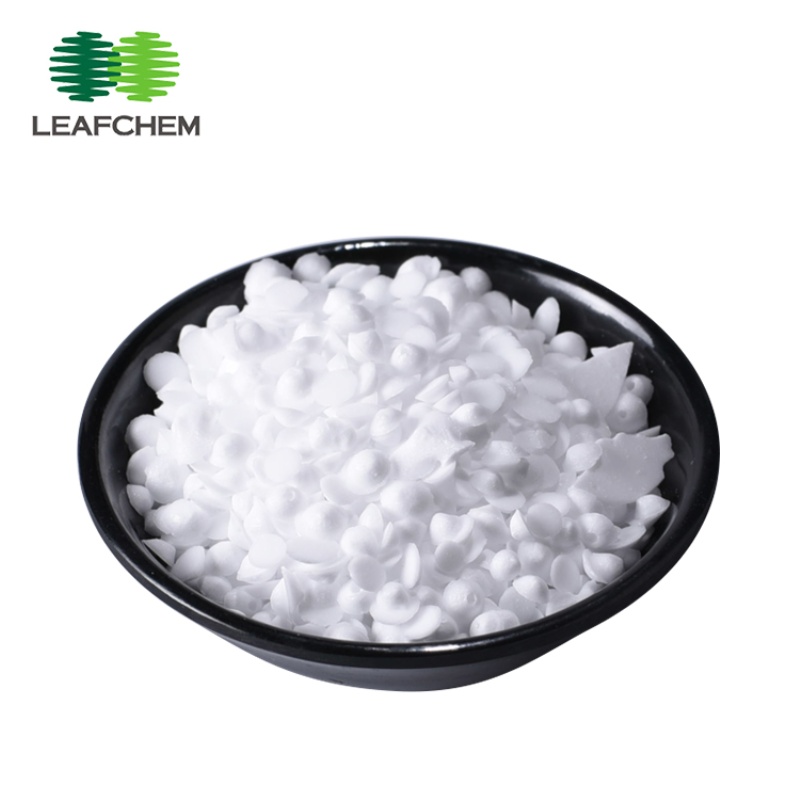
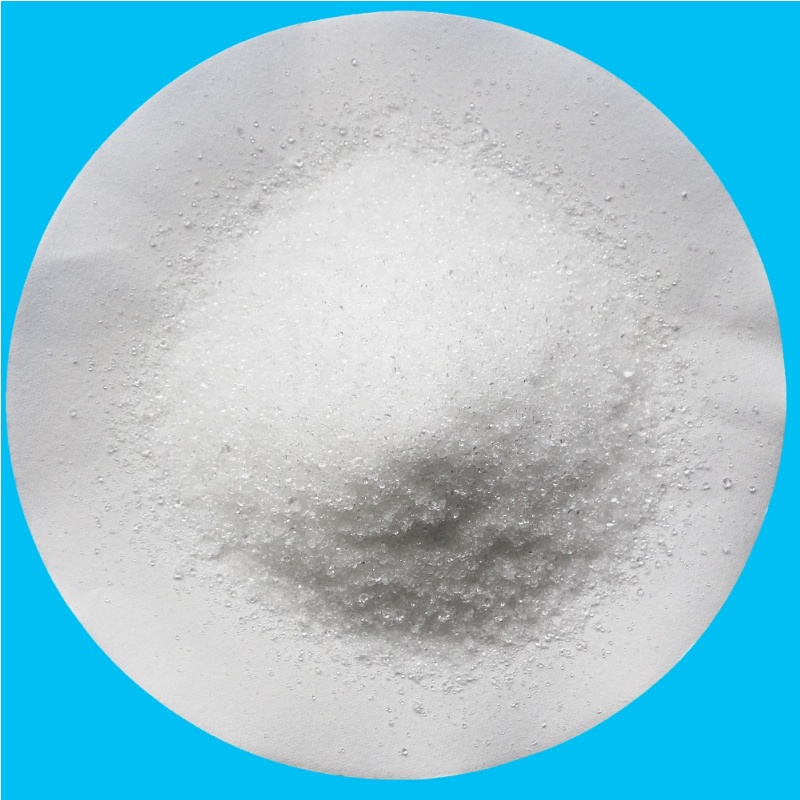
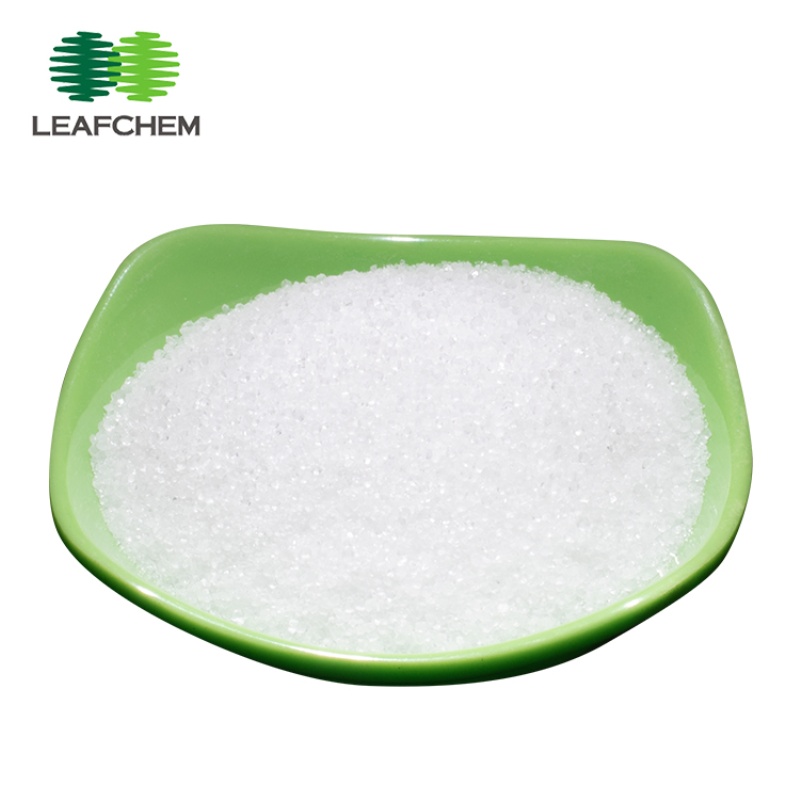
Crystalline powder with excellent water solubility, natural fermentation derivedAssay :
≥ 98.0% – 99.0%Application :
Cosmetics & personal care Food industry Pharmaceutical & agriculture
Core Advantages
1. Direct Source Factory Supply
Backed by our in-house fermentation production lines, we ensure stable fulfillment for large bulk orders and offer highly competitive ex-factory prices for premium kojic acid.
2. High-Efficacy Skin Brightening Mechanism
Inhibits melanin synthesis at the source by chelating the copper ion in the active site of tyrosinase. It is milder than hydroquinone and more stable than vitamin C, making it an ideal skin brightening ingredient.
3. Integrated Multifunctional Performance
Skin brightening & spot reduction: Fades melasma, freckles and post-acne hyperpigmentation
Antioxidant: Scavenges free radicals and delays skin aging
Preservative & color protection: Prevents oxidative browning in food products
4. Excellent Formulation Compatibility
Delivers synergistic brightening effects when combined with other skin lightening ingredients including vitamin C, arbutin, niacinamide and ferulic acid. Its excellent water solubility simplifies formulation design for R&D teams.
Key Application Fields
1. Cosmetics & Personal Care (Core Application)
Kojic Acid selectively inhibits tyrosinase activity via a "copper ion chelating" mechanism, blocking melanin production at the source:
Brightening serums & spot-removing creams: Recommended dosage 1% – 2% (subject to regulatory limits), can be combined with other brightening ingredients (vitamin C, arbutin, niacinamide) for synergistic effects
Brightening soaps & cleansers: Added to rinse-off products for daily brightening benefits
Masks & toners: Improves uneven skin tone and dullness
Sun care products: Assists in preventing UV-induced pigmentation
Regulatory Notice: The EU has restricted the maximum allowed concentration of kojic acid in face and hand products to 1%, with full compliance required from April 2025 under EU Cosmetics Regulation.
2. Food Industry
Natural antioxidant: Prevents oil rancidity and extends food shelf life, recommended dosage 0.01% – 0.1%
Color protection & preservation: Inhibits the conversion of nitrite to nitrosamine, providing protective effects in cured meat products
Fruit & vegetable preservation: Inhibits enzymatic browning and maintains fresh color
3. Other Applications
Pharmaceutical intermediates: Used for the synthesis of antibacterial and anti-inflammatory drugs
Agriculture: Serves as a plant growth regulator or bactericidal auxiliary
Technical Specifications
| Item | Typical Parameters | Test Standard / Remarks |
|---|---|---|
| Product Name | Kojic Acid | Aliases: 5-Hydroxy-2-(hydroxymethyl)-4H-pyran-4-one |
| CAS Number | 501-30-4 | Global universal product identifier |
| Molecular Formula | C₆H₆O₄ | —— |
| Molecular Weight | 142.11 g/mol | —— |
| Appearance | White to pale yellow crystalline powder | —— |
| Purity (HPLC) | ≥ 98.0% – 99.0% | Cosmetic grade / Food grade |
| Melting Point | 152 – 155°C | —— |
| Loss on Drying | ≤ 1.0% | —— |
| Residue on Ignition | ≤ 0.5% | —— |
| Heavy Metals (as Pb) | ≤ 10 mg/kg | —— |
| Solubility |
Readily soluble in water, ethanol and acetone |
Excellent water solubility is the core advantage |
| Core Functions |
Tyrosinase inhibitor, antioxidant, preservative |
EU compliant 1% maximum concentration for face/hand products (effective April 2025) |
FAQ
Q1: What is Kojic Acid, and what is its standard global identifier?
A: Kojic Acid (INCI: Kojic Acid, CAS 501-30-4, chemical name: 5-Hydroxy-2-(hydroxymethyl)-4H-pyran-4-one) is a natural secondary metabolite produced via fermentation of filamentous fungi such as Aspergillus oryzae. It appears as a white to pale yellow crystalline powder with excellent water solubility, and is the most widely used natural tyrosinase inhibitor in the global cosmetic industry.
Q2: How does Kojic Acid achieve skin brightening effects?
A: Kojic Acid exerts its skin brightening effect via a unique copper ion chelating mechanism: it selectively binds to the copper ion in the active site of tyrosinase (the key enzyme for melanin synthesis), thereby inhibiting tyrosinase activity and blocking melanin production at the source. It also has antioxidant and free radical scavenging effects.
Q3: What is the recommended usage level of Kojic Acid in formulations?
A: The traditional recommended dosage of Kojic Acid in cosmetic formulations is 1% – 2% for leave-on brightening products. Important regulatory update: Starting from April 2025, the EU Cosmetics Regulation restricts the maximum allowed concentration of Kojic Acid to 1% in all face and hand leave-on products. Dosage for rinse-off products and food applications remains 0.01% – 0.1%.
Q4: In which products is Kojic Acid commonly applied?
A: Kojic Acid is widely used across 3 major industries:
Cosmetics & personal care: Brightening serums, spot-removing creams, brightening soaps, toners, masks and sun care products
Food industry: Natural antioxidant and anti-browning agent for meat, fruits and vegetables
Pharmaceutical & agriculture: Antibacterial drug intermediates and plant growth regulators
Q5: What is the 2025 EU regulatory update for Kojic Acid?
A: The European Commission has updated the Cosmetics Regulation, effective April 2025:
Maximum allowed concentration of Kojic Acid in face and hand leave-on products: 1%
All products must comply with the new limit before the effective date
Rinse-off products and other application categories are not affected by this restriction
Q6: What are the advantages of Kojic Acid compared to hydroquinone and vitamin C?
A: Kojic Acid offers three core advantages over other common brightening ingredients:
Milder than hydroquinone: No cytotoxicity, no risk of exogenous ochronosis, suitable for long-term use
More stable than vitamin C: Not easily degraded by light and heat, maintains stable efficacy in formulations
Dual functionality: Delivers both brightening and antioxidant effects in one ingredient
Q7: Can Kojic Acid be combined with other brightening ingredients?
A: Yes, Kojic Acid has excellent formulation compatibility and delivers synergistic brightening effects when combined with vitamin C, arbutin, niacinamide and ferulic acid. These combinations enhance overall brightening efficacy while reducing the required dosage of each ingredient.
Q8: What are the key quality specifications for premium Kojic Acid?
A: High-quality cosmetic and food grade Kojic Acid meets the following core specifications:
Purity (HPLC): ≥98.0% – 99.0%
Melting point: 152 – 155°C
Loss on drying: ≤1.0%
Heavy metals (as Pb): ≤10 mg/kg
Excellent water solubility
Q9: Is Kojic Acid stable in cosmetic formulations?
A: Kojic Acid has good stability in formulations with pH 4-6. It is more stable than vitamin C under normal storage conditions, but may discolor under prolonged exposure to high temperature and strong light. It is recommended to store formulations in cool, dark conditions to maintain maximum efficacy.



leave a message


 IPv6 network supported