Leave A Message
If you are interested in our products and want to know more details,please leave a message here,we will reply you as soon as we can.

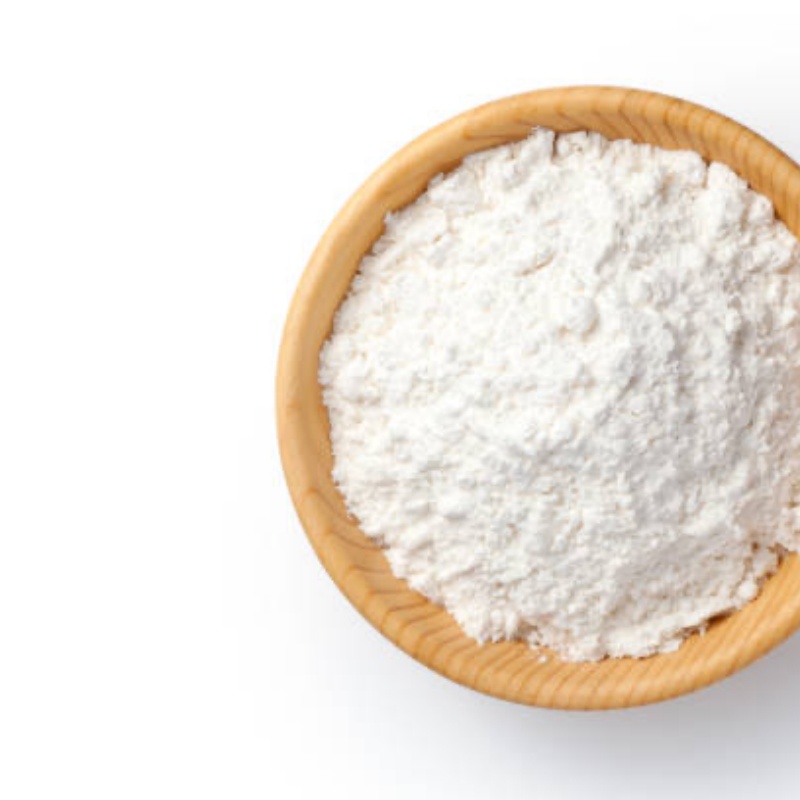
Item No :
LEAFCHEM 030Order(MOQ) :
100 KGSProduct Origin :
ChinaColor :
Pure white, free of visible mechanical impuritiesLead Time :
2-3 WeeksWeight :
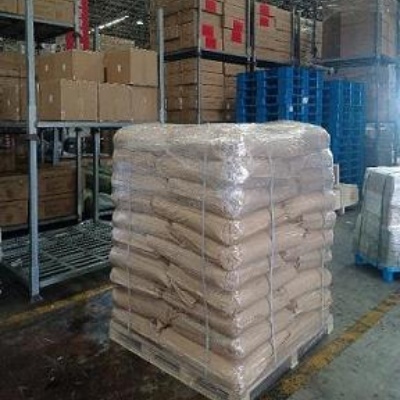
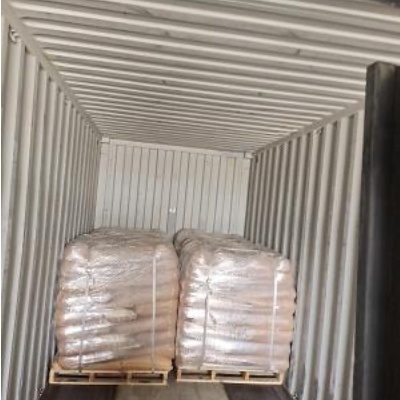
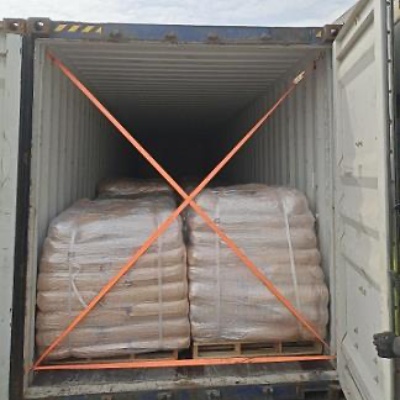
25kg/bag on palletsCas No. :
79725-98-7Molecular Formula :
C₃₈H₆₆O₆Appearance :
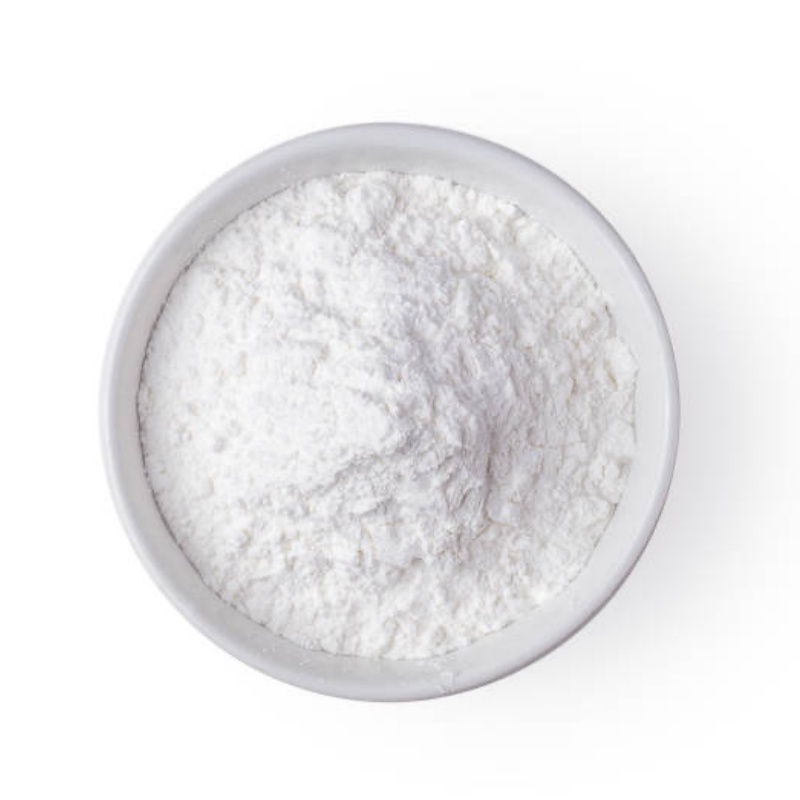
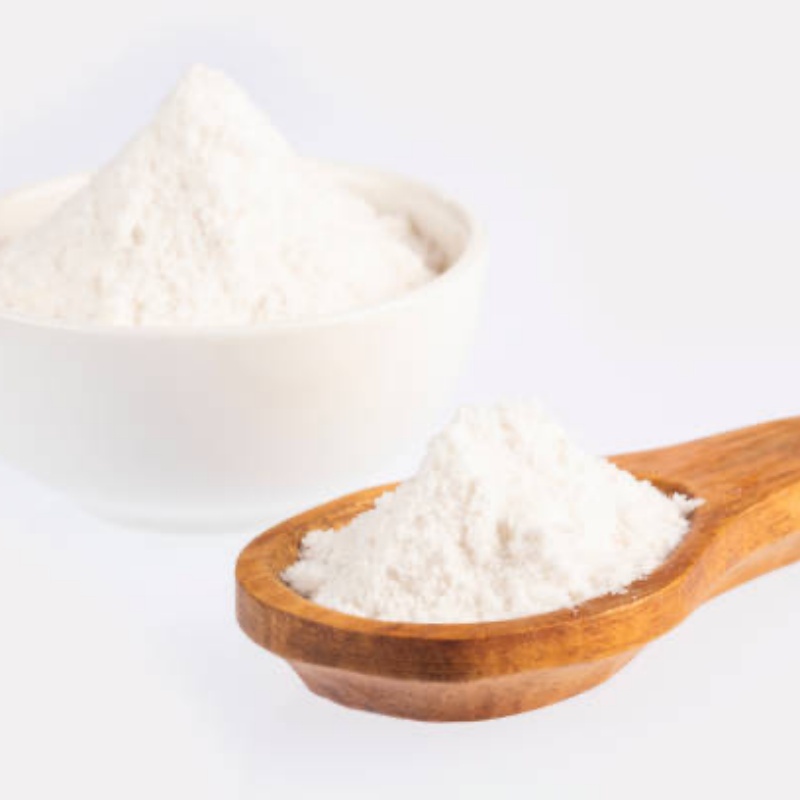
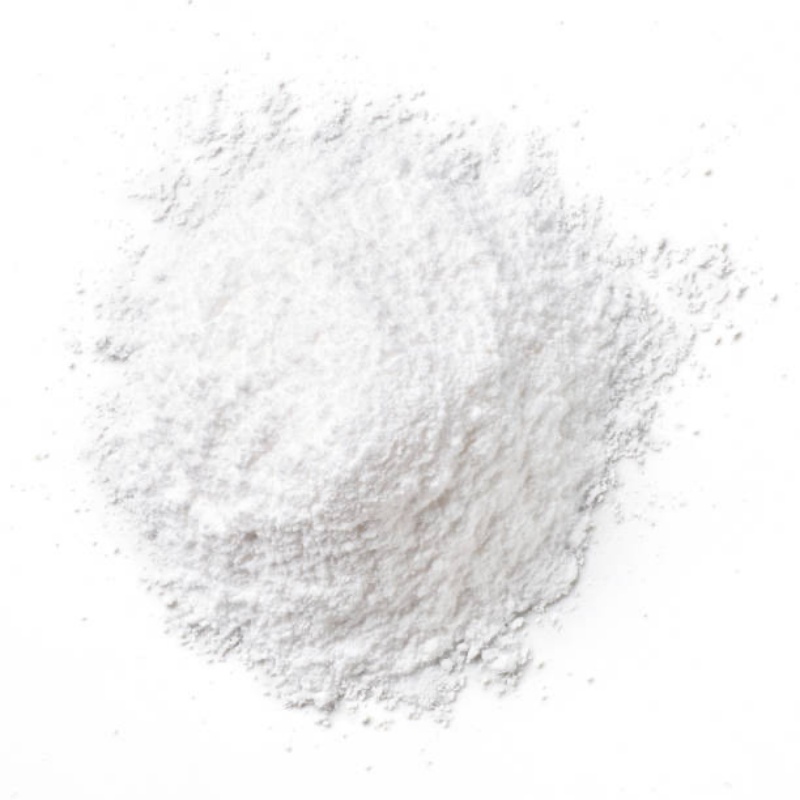
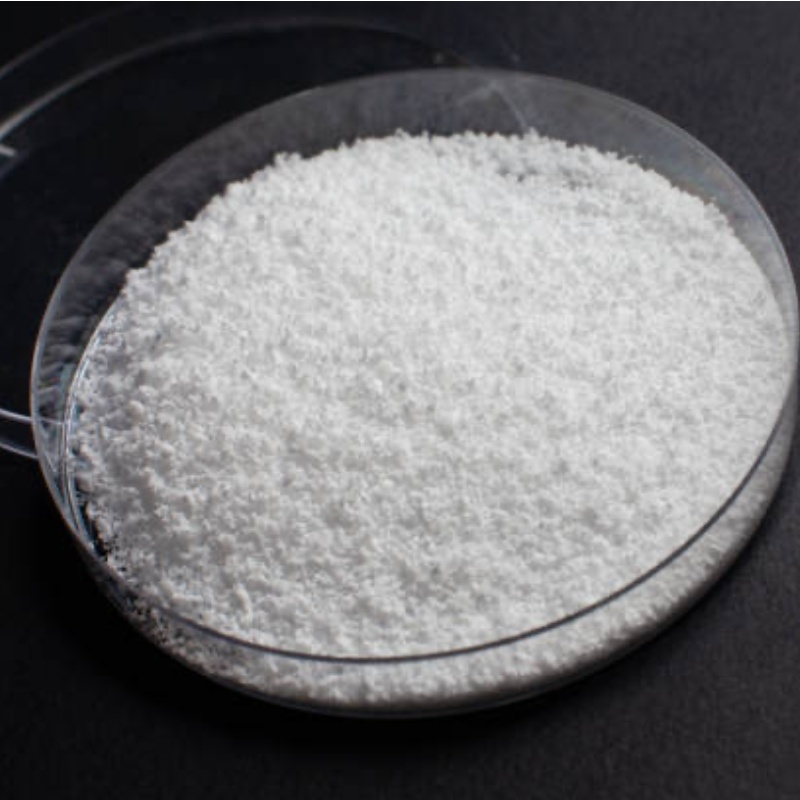
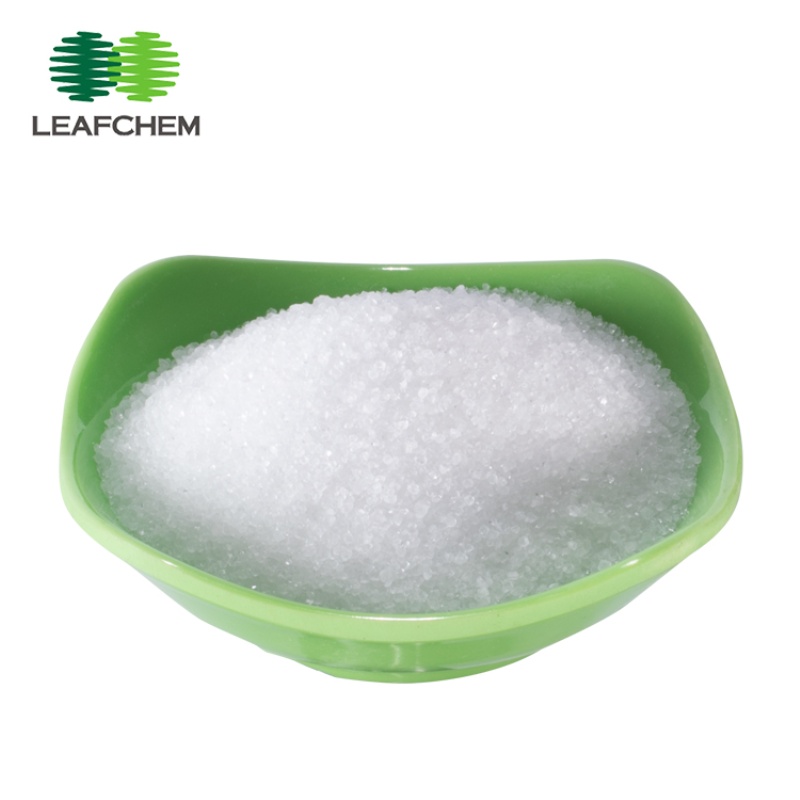
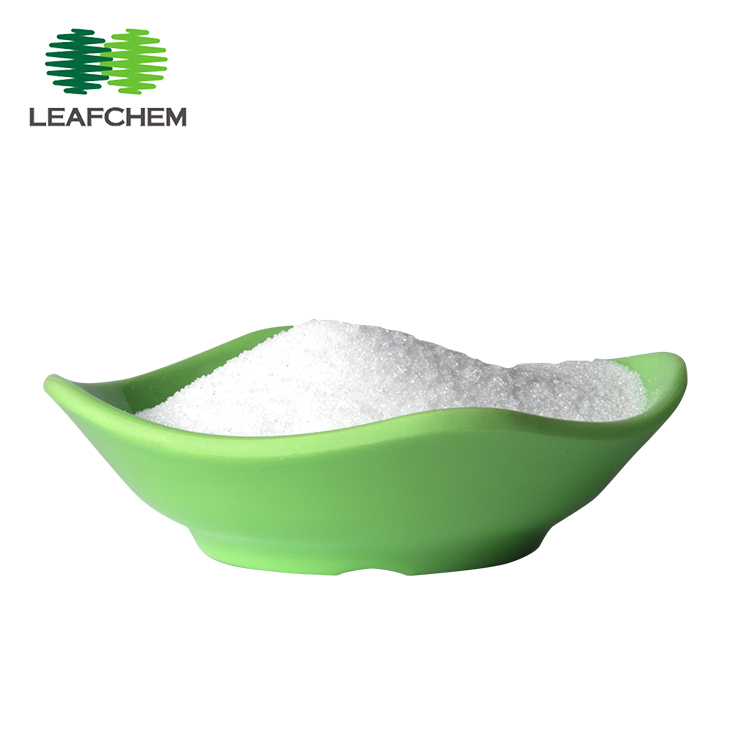
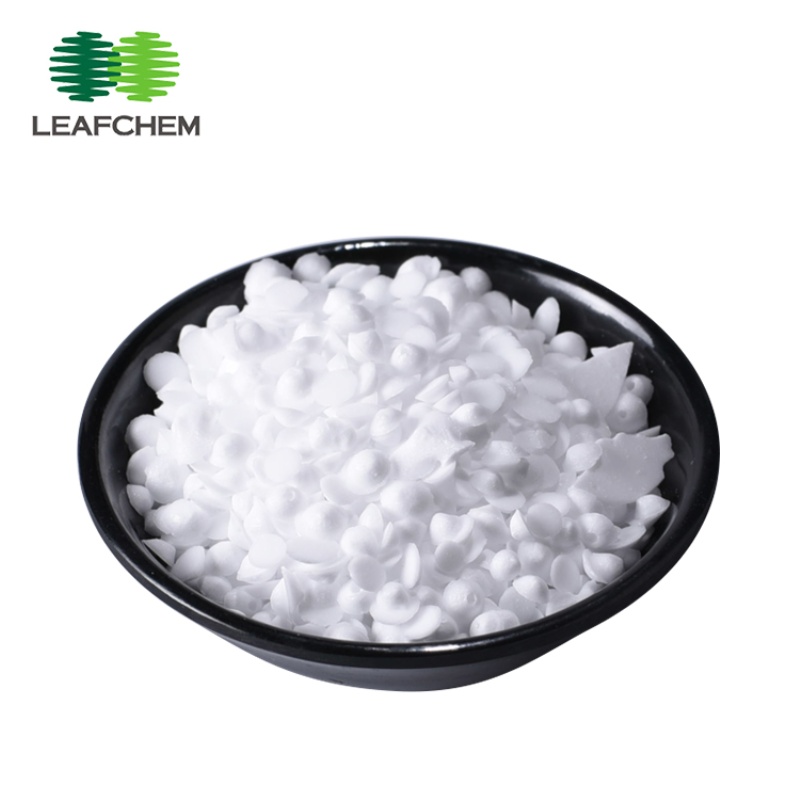
Flaky crystalline powder, oil-soluble, excellent stability to light, heat and metal ions, no yellowing or browningAssay :
≥ 98.0% – 99.5%Application :
Skincare Color cosmetics Full-body brighteningCore Advantages
1. Industry-Leading Stability Solution (Solves Core Kojic Acid Pain Points)
Compared to traditional kojic acid, Kojic Acid Dipalmitate delivers significantly improved chemical stability:
Photostability: Resists decomposition under UV exposure, ensures consistent shelf-life quality even in transparent packaging
Thermal stability: Maintains full activity at high processing temperatures and extreme climate conditions
pH stability: Stable across a wide pH range of 4–9, providing maximum formulation design flexibility
Metal ion stability: No free hydroxyl groups in molecular structure, will not chelate metal ions, completely eliminates yellowing and browning issues caused by iron ion reaction
Oxidation stability: Strong antioxidant capacity, resists discoloration from air oxidation
2. Excellent Formulation Convenience & Compatibility
Outstanding formulation compatibility: Fully compatible with all types of preservatives, UV filters, vitamins, peptides and antioxidants, does not interfere with the efficacy of other active ingredients via hydrogen bond formation
Direct oil phase addition: As an oil-soluble ingredient (readily soluble in mineral oil, esters and hot ethanol), it can be directly added to the oil phase of skincare formulations with simple processing, no special treatment required
Superior skin affinity & lipophilicity: Excellent skin penetration capacity, can cross the skin barrier to reach the deep epidermis
3. Clinically Proven High-Efficacy Skin Brightening Performance
Potent tyrosinase inhibition: KAD is converted back to active kojic acid via skin enzyme hydrolysis, delivering tyrosinase inhibition effect. It competitively and reversibly inhibits melanin production, with stronger melanogenesis inhibitory activity than pure kojic acid, by targeting tyrosinase — the key rate-limiting enzyme for melanin synthesis
Effective pigmentation correction: Significantly improves dullness, uneven skin tone, dark spots, age spots and other hyperpigmentation issues, with transparent efficacy data for marketing claims
Soothing & auxiliary sun protection: Delivers additional moisturizing benefits and mild UV barrier effect, enhancing overall product performance
Key Application Fields
1. Skin Brightening & Hyperpigmentation Treatment (Core Application)
Brightening serums & ampoules: Acts as the core brightening active, inhibits tyrosinase activity, blocks melanin production at the source, improves hyperpigmentation and promotes even, luminous skin tone
Spot correcting creams: Targets and improves melasma, age spots, sun spots and post-acne hyperpigmentation
Functional masks: Added to cream or emulsion masks for auxiliary brightening and glow-boosting effects
Recommended dosage: 1%–3% for standard skincare formulations; 3%–5% for high-efficacy brightening products
Synergistic combinations: Delivers enhanced brightening effects when combined with niacinamide, vitamin C derivatives (e.g. AA2G), arbutin and ferulic acid
2. Color Cosmetics & Base Makeup
Liquid foundations / BB creams / CC creams: Continuously improves uneven skin tone, combines brightening benefits with basic makeup functionality
Primers & sunscreens: Provides auxiliary brightening effects, adds functional value to base products
Cushion compacts: Delivers continuous brightening protection during frequent touch-ups
3. Skincare Lotions & Creams
Daytime skincare: Works with sun protection products to deliver brightening and basic moisturizing benefits
Nighttime repair: Helps repair daytime UV damage and inhibits melanin production
Full-body brightening products: Used in body lotions and hand creams to improve overall body uneven skin tone
4. Clinical Efficacy Data Support
A 2025 systematic review on KAD for hyperpigmentation management confirmed:
Formulations containing KAD reduce melanin index by 40%–50% in clinical evaluations, while significantly improving skin hydration and elasticity with extremely low irritation potential
KAD delivered in 70 nm solid lipid nanoparticles achieves 80% controlled release within 24 hours; <130 nm nanoemulsion delivery systems maintain >95% formulation stability for 30 days under refrigerated conditions
KAD demonstrates antibacterial activity against Staphylococcus aureus, and antioxidant capacity equivalent to 1 mM ascorbic acid
Technical Specifications
| Item | Typical Parameters | Test Standard / Remarks |
|---|---|---|
| INCI Name | Kojic Dipalmitate | Industry abbreviation: KAD |
| CAS Number | 79725-98-7 | Global universal product identifier |
| EINECS Number | 207-922-4 | —— |
| Molecular Formula | C₃₈H₆₆O₆ | —— |
| Molecular Weight | 618.93 g/mol | —— |
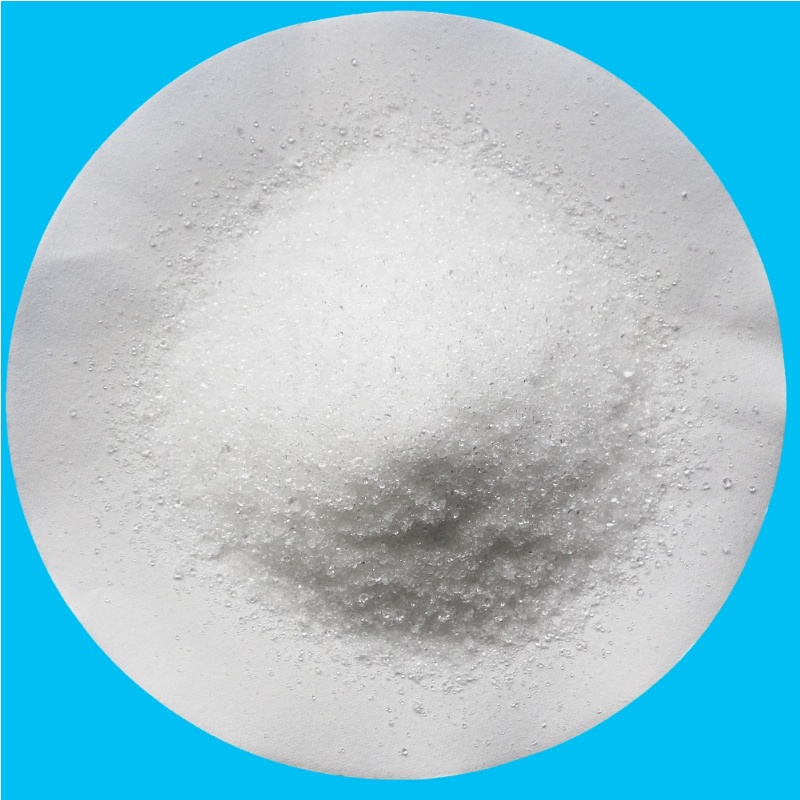
| Appearance | White flaky crystalline powder | Non-irritating odor |
| Assay (HPLC) | ≥ 98.0% – 99.5% | Cosmetic grade |
| Melting Point | 92 – 96°C | —— |
| Loss on Drying | ≤ 0.5% | —— |
| Residue on Ignition | ≤ 0.5% | —— |
| Heavy Metals (as Pb) |
≤ 10 ppm |
—— |
| Arsenic (As) |
≤ 2 ppm |
—— |
| Total Aerobic Count |
≤ 300 cfu/g |
—— |
| Yeast & Mold Count |
≤ 100 cfu/g |
—— |
| Stability Conditions |
Stable in pH range 4–9; does not chelate metal ions |
Core advantage over traditional kojic acid (no discoloration) |
| Packaging Specification |
1kg aluminum foil bag / 25kg fiber drum |
Customizable |
FAQ
Q1: What is Kojic Acid Dipalmitate, and what is its standard global identifier?
A: Kojic Acid Dipalmitate (INCI: Kojic Dipalmitate, industry abbreviation KAD, CAS 79725-98-7) is an oil-soluble modified derivative of kojic acid, produced via esterification of kojic acid with palmitic acid. It appears as a white flaky crystalline powder, non-irritating odor, and is the most widely used stable kojic acid derivative in the global cosmetic industry.
Q2: What is the core difference between Kojic Acid Dipalmitate (KAD) and regular Kojic Acid?
A: KAD solves all the core pain points of traditional kojic acid:
Stability: KAD has no free hydroxyl groups, so it is resistant to light, heat, oxidation and metal ions, will not yellow or brown, and maintains stable efficacy
Solubility: KAD is oil-soluble, suitable for both skincare and color cosmetics, while regular kojic acid is only water-soluble
Skin absorption: KAD has better lipophilicity, penetrates deeper into the skin and delivers longer-lasting efficacy
Irritation: KAD has lower skin irritation potential, suitable for sensitive skin formulations
Q3: How does Kojic Acid Dipalmitate achieve skin brightening effects?
A: KAD exerts its brightening effect via a targeted mechanism: after penetrating the skin, it is converted back to active kojic acid by skin enzymes, which selectively inhibits tyrosinase activity (the key rate-limiting enzyme for melanin synthesis) and blocks melanin production at the source. It delivers stronger melanin inhibition activity than pure kojic acid in clinical applications.
Q4: What is the recommended usage level of KAD in cosmetic formulations?
A: The standard recommended dosage of Kojic Acid Dipalmitate is:
1% – 3%: For standard skincare formulations (serums, creams, lotions, masks)
3% – 5%: For high-efficacy brightening and spot-correcting products
It can be directly added to the oil phase of formulations with no special processing required.
Q5: Will Kojic Acid Dipalmitate discolor or degrade in formulations?
A: No, KAD will not discolor or degrade under normal formulation and storage conditions. Its molecular structure has no free hydroxyl groups, so it will not chelate metal ions, react with iron ions, or oxidize to produce yellow/brown discoloration. It remains stable across a wide pH range of 4–9, under UV exposure, and at high processing temperatures.
Q6: Is KAD compatible with common cosmetic active ingredients?
A: Yes, KAD has excellent formulation compatibility. It works stably with all types of preservatives, UV filters, vitamins, peptides, niacinamide, arbutin, ferulic acid and other common cosmetic ingredients, and will not interfere with the efficacy of other actives via hydrogen bond formation or chemical reaction. It delivers synergistic brightening effects when combined with niacinamide and vitamin C derivatives.
Q7: In which products is Kojic Acid Dipalmitate commonly applied?
A: As a versatile stable brightening active, KAD is widely used in:
Skincare: Brightening serums, spot-correcting creams, lotions, masks, ampoules, body brightening products
Color cosmetics: Liquid foundations, BB creams, primers, cushion compacts, lipsticks
Sensitive skin formulations: Gentle brightening products for sensitive and post-procedure skin
Q8: What clinical efficacy data supports KAD's brightening performance?
A: A 2025 systematic review on hyperpigmentation management confirmed:
Formulations containing KAD reduce melanin index by 40%–50% in 8-12 weeks of clinical use
It significantly improves skin hydration and elasticity with extremely low irritation potential
Delivered in nano delivery systems, it achieves 80% controlled release within 24 hours and maintains >95% stability for 30 days



leave a message


 IPv6 network supported