A Guide to Choosing the Right Emulsifier for High-End Cosmetics
October 12, 2026
Author
A trusted global supplier of chemicals and ingredients. Leafchem connects international buyers with high-quality cosmetics, food additives, and plant extracts, driven by a commitment to customer satisfaction.
Sarah M.
An emulsion is the architectural heart of most premium skincare: the elegant cream in the jar, the silky lotion that melts into the skin, the rich balm that seals in moisture. At the center of that architecture sits a small but decisive ingredient — the emulsifier. Although it typically represents only a few percent of a formula, no other excipient has a greater influence on stability, texture, skin feel, and the label story a brand can honestly tell. Choosing the wrong one is a costly discovery late in development. This guide gives formulators and sourcing teams a structured path — from emulsion type and HLB to sensory engineering and regulatory compliance — so that the right emulsifier is selected the first time, for products that must perform at the highest end of the market.
I. Why the Emulsifier Defines the Premium Experience
In high-end cosmetics, the baseline is no longer simply "does it hold together." A luxury product must look, feel, and behave like a luxury product — from the first glimpse of the jar to the last trace of after-feel on the skin. The emulsifier quietly governs all of it. It lowers the interfacial tension between oil and water, stabilizes the dispersed droplets, and organizes the internal structure of the cream, whether micellar or lamellar. In practice, that translates into:
Visual elegance — a glossy, uniform, air-free surface that signals freshness and precision.
Sensory signature — the first touch, spreadability, absorption, and after-feel that consumers judge within seconds.
Physical stability — resistance to creaming, coalescence, and phase separation under temperature cycling and transport.
Active delivery — even distribution of oil-soluble and water-soluble actives, so their benefits are actually perceived.
A premium formula rarely relies on a single molecule. It combines a primary emulsifier with a co-emulsifier and fatty alcohols to build a lamellar gel network — the structure responsible for the dense yet light "scoop" of a luxury cream and for its elegant pay-off on the skin.
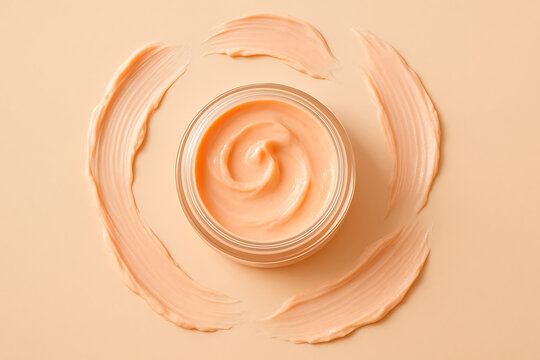
Figure 1. The texture of a premium cream — glossy, uniform, quick to melt — is engineered by the emulsifier system, not added afterwards.
II. Start with HLB: The First Screening Filter
The Hydrophilic-Lipophilic Balance (HLB) system, introduced by W.C. Griffin in 1949, remains the most practical starting point for emulsifier selection. The scale runs from 0 to 20: low values describe oil-loving (lipophilic) molecules, high values describe water-loving (hydrophilic) ones.
Water-in-oil (W/O) emulsions — rich, occlusive textures such as cold creams and balms — generally require emulsifiers with an HLB of about 3–6.
Oil-in-water (O/W) emulsions — lotions, fluid creams, and serums — generally require an HLB of about 8–16.
Each oil phase has its own "required HLB," the value at which it is most efficiently emulsified. Published tables and simple titration experiments estimate it for a given oil blend, and formulators commonly combine a low-HLB and a high-HLB emulsifier to hit the target precisely. However, HLB predicts the initial orientation of an emulsion, not its long-term fate. Interactions with thickeners, electrolytes, pH, and the manufacturing process can all override the prediction. Treat HLB as the first filter, then validate every candidate experimentally.
III. Emulsifier Families at a Glance
Most premium formulas are built on nonionic emulsifiers, chosen for their mildness, broad pH tolerance, and ease of combination. Anionic, cationic, and phospholipid systems occupy important niches. The table below summarizes the main families a high-end formulator will consider.
Note: HLB values are typical literature figures and vary with grade and supplier; always confirm against the supplier’s technical datasheet or certificate of analysis.
Within each family, co-emulsifiers matter as much as the primary molecule. Fatty alcohols such ascetearyl alcohol (CAS 67762-27-0 / 8005-44-5)thicken the water phase, reinforce the lamellar network, and change the entire skin-feel profile of a cream.
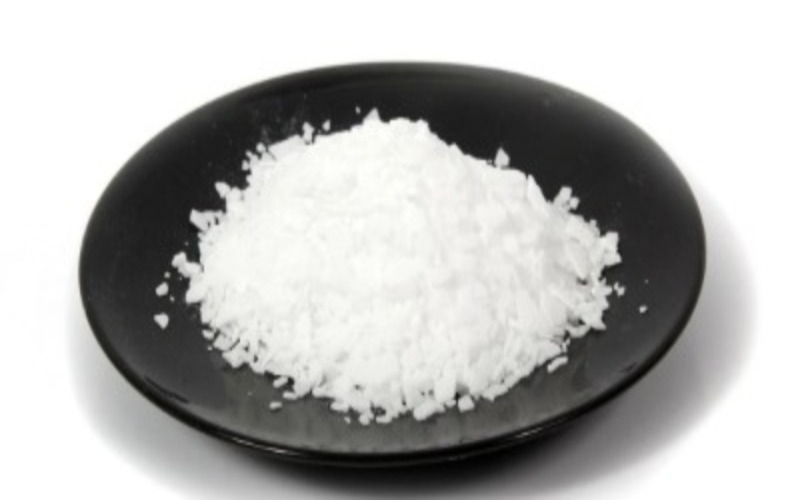
Figure 2. Fatty alcohols such as cetearyl alcohol and their ethoxylates are the classic building blocks of O/W emulsifier systems, supplying viscosity, structure, and a rich, non-greasy feel.
IV. Clean & Natural Positioning: What "Green" Really Requires
At the premium end of the market, "clean" and "natural" are no longer optional claims — they are the filter through which many consumers evaluate an entire brand. For emulsifiers, this has driven a decisive shift away from PEG-based ethoxylates toward plant-derived, PEG-free alternatives with documented natural-origin content.
The reference framework is ISO 16128. Part 1 (ISO 16128-1:2016) defines "natural" cosmetic ingredients as those obtained from plants, animals, micro-organisms, or minerals, including via physical processes and fermentation; Part 2 (ISO 16128-2:2017) sets out how to calculate the natural-origin and organic-origin indices of ingredients and products. Voluntary certification programmes such as COSMOS build on this logic. Leading PEG-free choices include cetearyl glucoside (and) cetearyl alcohol, polyglyceryl esters, sodium stearoyl glutamate, sucrose esters, and lecithin.
Higher use levels — natural systems often need more emulsifier than their synthetic counterparts to reach the same stability.
Narrower processing windows — some grades are sensitive to high temperature or shear; cold-process compatibility varies by grade.
Different sensory — natural systems can feel drier or richer; the texture must be re-engineered, not assumed.
Above all, claims must be substantiated. Suppliers should provide natural-origin documentation consistent with ISO 16128, and the formulator should verify that the "green" positioning survives stability testing — an unstable "natural" cream is neither clean nor premium.
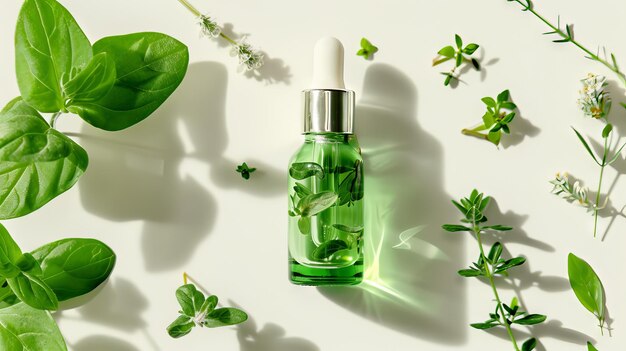
Figure 3. Botanically derived, PEG-free emulsifiers align premium texture with natural-origin claims, provided the whole system survives stability testing.
V. Sensory Engineering: Texture, Skin Feel and Absorption
In high-end cosmetics, sensory performance is a specification, not a bonus. Emulsifier choice, droplet size, and internal structure together decide whether a cream feels "silk-touch," "velvet," "cushioned," or "quick-absorbing."
Droplet size — smaller droplets give smoother, faster-absorbing textures; intense homogenization refines the emulsion and changes the pay-off.
Lamellar networks — built with fatty alcohols and glucoside or ethoxylate emulsifiers, they create the dense yet light body that separates luxury creams from basic lotions.
Emulsion type — O/W textures read as light and fresh; W/O textures read as rich and occlusive; both are valid premium positions depending on the claim.
Validate with more than the panel: instrumental rheology, texture analysis, and droplet-size measurement make sensory findings reproducible and comparable across batches.
VI. Stability, Process and Formulation Compatibility
Stability is where good intentions fail. The selection must survive the real stresses of the product: temperature cycling during transport and storage, formulation pH, electrolytes, and the full cocktail of actives.
Emulsion architecture — for sunscreens, UV filters must be solubilized in the oil phase; W/O systems give water resistance and high SPF, O/W systems give a lighter feel, and the emulsifier chemistry must match the filter load.
Compatibility — high loads of electrolytes (for example in mineral sunscreens), low pH (vitamin C, AHA/BHA), and chelators can destabilize ionic emulsifiers; nonionic and polymeric systems are more tolerant.
Process — hot processing is the classic route; cold-process emulsifiers save energy and protect heat-sensitive actives, but require careful homogenization and stabilizer support.
Test protocol — centrifugation, freeze–thaw cycles, thermal cycling (for example 4 °C / 40 °C / room temperature), and long-term storage, with particle-size monitoring as an objective early-warning signal.
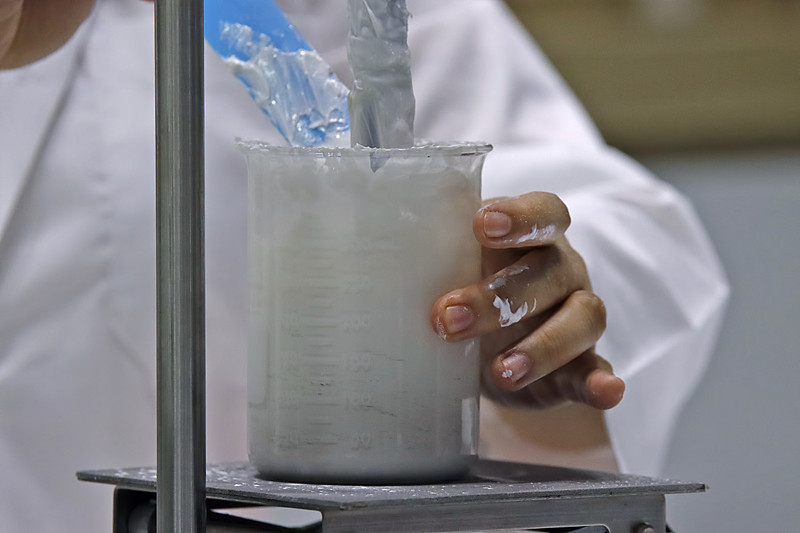
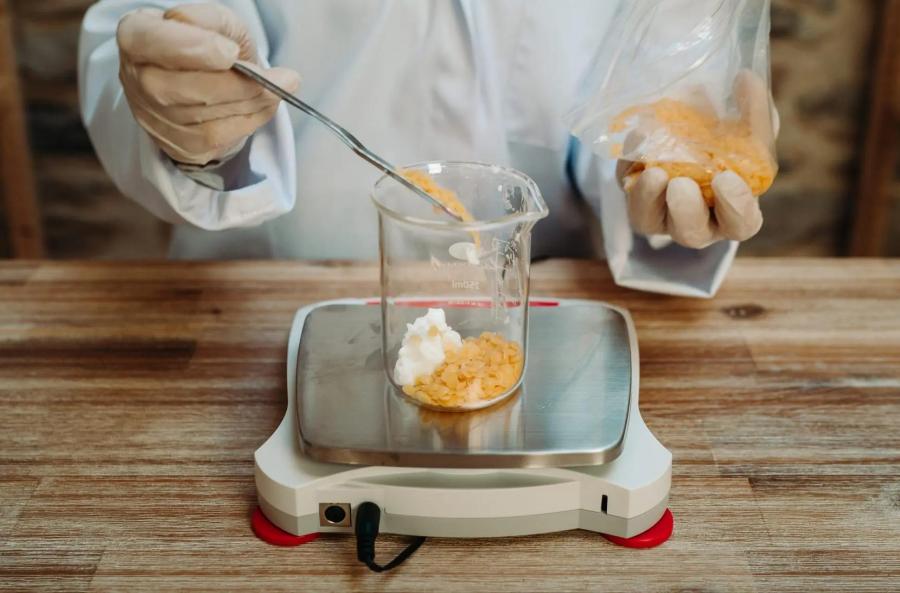
Figure 4. Emulsion processing — mixing intensity, temperature, and homogenization — determines droplet size and, with it, stability and sensory.
VII. Regulatory and Quality Assurance for Global Markets
An emulsifier that performs beautifully in the lab must also be legal in every market where the finished product is sold. Regulatory status differs by region, and the responsibility sits with the finished-product owner and, increasingly, the raw-material supplier.
European Union — Regulation (EC) No 1223/2009 is the principal framework for cosmetic products; ingredients are tracked in the CosIng inventory and named per INCI.
United States — cosmetics are regulated by the FDA under the FD&C Act; the Modernization of Cosmetics Regulation Act of 2022 (MoCRA) introduced mandatory facility registration and product listing.
China — the Cosmetic Supervision and Administration Regulation (State Council Decree No. 727, in force since 1 January 2021) and the Provisions for Registration and Filing of Cosmetics (SAMR Order No. 35, in force since 1 May 2021) require new cosmetic raw materials to be registered or filed before use.
Quality documentation is the other half of compliance. A professional supplier should provide batch-to-batch certificates of analysis (COA), safety data sheets (SDS), purity and impurity profiles, heavy-metal and microbiological specifications, full batch traceability, and the option of third-party inspection (for example SGS, BV, or Intertek) — alongside certified production, such as ISO 9001.
Figure 5. Documented, reproducible raw-material quality — from certificate of analysis to batch traceability — is the foundation of regulatory compliance.
VIII. A Practical Selection Framework
When a new premium product is being developed, work through the following sequence. It compresses months of trial and error into a few disciplined steps.
1.Define the architecture — decide the emulsion type (O/W or W/O) and the target texture, from light fluid to rich balm.
2.Estimate the required HLB — determine the required HLB of the oil phase; shortlist primary emulsifiers in the matching window and plan a low-/high-HLB blend if needed.
3.Apply brand filters — PEG-free? Minimum natural-origin index under ISO 16128? Certification roadmap such as COSMOS? Vegan?
4.Screen regulatory status — confirm INCI/CosIng listing and registration or notification status in every target market (EU, US, China, and others).
5.Prototype the sensory — build pilot emulsions with co-emulsifiers and fatty alcohols; score them with trained panels and instrumental rheology.
6.Stress-test stability — run thermal cycling, freeze–thaw, centrifugation, and long-term storage; watch droplet size as the objective indicator.
7.Validate the supply — confirm batch-to-batch COA consistency, capacity, documentation pack, and third-party inspection options before scale-up.
Conclusion
Choosing the right emulsifier for high-end cosmetics is a systems decision, not a one-variable problem. Start with the HLB of the oil phase, honor the sensory and sustainability profile the brand promises, verify regulatory status in every market, and insist on suppliers who document quality batch after batch. Done properly, the emulsifier disappears into the formula — and the product feels, looks, and performs like the premium experience it claims to be. Leafchem supports cosmetic manufacturers worldwide with high-purity emulsifiers and co-emulsifiers, including ceteareth-20 and ceteareth-25 (CAS 68439-49-6) and cetearyl alcohol (CAS 67762-27-0), backed by batch-to-batch COA and full documentation.









 IPv6 network supported