
Leave A Message
If you are interested in our products and want to know more details,please leave a message here,we will reply you as soon as we can.


Since



If you source food additives, hydrocolloids, or color ingredients for the U.S. or EU markets, 2026 is not a quiet year on the regulatory calendar. In Washington, the U.S. FDA has proposed the most significant structural overhaul of the GRAS system since 1958, while accelerating approvals of plant-derived color additives and reopening long-dormant reviews of synthetic antioxidants such as BHA. In Brussels, the European Commission and EFSA have simultaneously tightened specification limits for seven widely used hydrocolloids, withdrawn guar gum from infant formula, and raised the scientific data bar for all new additive applications from July 20, 2026 onward. For buyers, the practical question is no longer "is this ingredient approved?" — it is "does my supplier's documentation, specification sheet, and supply chain still meet the 2026 version of the rule?" This article maps the concrete changes, separates what is final from what is still proposed, and lists the compliance steps procurement and QA teams should take before their next contract renewal. I. Why 2026 Matters for Additive Sourcing Two regulatory philosophies, long separate, are converging in the same direction: both the FDA and the European Commission want (a) greater transparency into what is actually in the food supply, (b) tighter specification control over impurities, trace elements and microbial load, and (c) an explicit tilt toward plant-derived and fermentation-derived alternatives where safety evidence supports them. None of these shifts is dramatic on its own; collectively, they raise the documentation burden on ingredient suppliers and shorten the reformulation runway for finished-food brands. II. United States: Three Shifts on the FDA Side A. Mandatory GRAS Notification — the Proposed Rule (Docket FDA-2025-N-3262) On August 11, 2026, the FDA published a proposed rule in the Federal Register that would replace the decades-old voluntary GRAS notification program with a mandatory filing obligation. Under the proposal, any manufacturer or ingredient supplier that concludes a substance is Generally Recognized As Safe before placing it into interstate commerce would have to notify the FDA, submit the substance identity, conditions of use, and the safety basis supporting the conclusion. The agency would also expand its public inventory of GRAS notices, and substances already on the market under prior self-GRAS conclusions would come under improved post-market oversight. Public comments close on December 9, 2026. What this means for buyers: the rule is not a pre-market approval — products may still be marketed while FDA reviews — but the supplier-side paper trail will no longer be optional. When you next qualify a new ingredient, ask explicitly whether a GRAS notice has been filed (and closed with "no further questions"), or whether the supplier intends to file once the rule is finalized. Self-GRAS conclusions without a filed notice will become a liability, not a convenience. B. Color Additives: Natural Sourcing and the "No Artificial Colors" Signal On February 5, 2026, the FDA announced a new enforcement approach to "no artificial colors" claims and, on the same day, approved beetroot red as a new color option and expanded the authorized use of spirulina (Arthrospira platensis) extract across human foods. This brings the total number of new food color options approved under the current administration to six, and openly frames the move as support for the industry's transition away from petroleum-based synthetic colors. A separate final order (91 FR 52919, effective March 23, 2026) followed, with a subsequent delay of the expanded spirulina use date to give the industry additional transition time. Buyers should treat natural color sourcing — beetroot red, spirulina extract, turmeric, anthocyanins, paprika — as a mainstream reformulation path rather than a premium niche. If your brand still relies on certified synthetic colors for orange, green or red shades, now is the time to pilot natural equivalents and lock in stable supply before retail customers accelerate their own "no artificial colors" policies. C. Post-Market Re-assessments: BHA and the Watch List On February 10, 2026, the FDA launched a comprehensive post-market re-assessment of butylated hydroxyanisole (BHA, CAS 25013-16-5 / 121-00-6), the agency's first formal re-examination of this long-listed antioxidant in decades. BHA remains legal at the federal level as of October 2026, but the direction of travel — an active RFI, a pending prohibition petition, state-level bans effective from 2028, and major retailer exclusions — is unambiguous. We covered this in detail in our September 23, 2026 post on BHA's regulatory status; the practical takeaway for buyers is to map your BHA exposure now, request fresh toxicological and stability data from your supplier, and pre-qualify tocopherol-based and rosemary extract alternatives before a mandatory reformulation is imposed. III. European Union: Tighter Specifications and a Higher Scientific Bar A. Commission Regulation (EU) 2026/196 — Seven Hydrocolloids, New Limits Published on January 28, 2026 and applicable from August 18, 2026, Commission Regulation (EU) 2026/196 amends Annex II of Regulation (EC) No 1333/2008 and the corresponding specifications in Regulation (EU) No 231/2012 for seven widely used hydrocolloids: carrageenan (E 407), locust bean gum (E 410), guar gum (E 412), gum arabic / acacia gum (E 414), xanthan gum (E 415), pectins (E 440) and starch sodium octenyl succinate (E 1450). The revisions, triggered by EFSA's updated scientific opinions, do three concrete things: Tighten maximum limits for toxic elements (notably lead, arsenic, mercury and cadmium) in the specifications for E 410, E 412, E 414, E 415, E 440 and E 1450. Introduce new microbiological criteria that suppliers must meet on every batch. Withdraw the authorisation of guar gum (E 412) in food category 13.1.1 (infant formula) and in 13.1.5.1 (dietary foods for special medical purposes for infants); only a narrow, time-limited permission up to 10,000 mg/kg remains in 13.1.5.2 for liquid formulas containing hydrolysed proteins, peptides or amino acids. For buyers of thickeners, stabilisers and gelling agents into dairy, plant-based beverages, sauces and infant nutrition, this is the single most actionable change in 2026: pull your current spec sheets for E 410, E 412, E 414, E 415, E 440, E 407 and E 1450 against the August 18 limits, and request a fresh COA and impurity declaration from each supplier. Infant-formula producers, in particular, must reformulate away from guar gum and toward carrageenan, locust bean gum or xanthan systems now — there is no long transition window. B. EFSA's Updated Food Additive Guidance (Effective July 20, 2026) On January 20, 2026, EFSA published its revised Scientific Guidance on Food Additives. The updated methodology applies to every application submitted under Regulation (EC) No 1333/2008 from July 20, 2026 onward — covering both genuinely new additives and proposed changes to the conditions of use of already authorised ones. The revised guidance reflects the latest thinking on chemical characterisation, manufacturing-process description, specification purity, exposure assessment and the updated requirements for toxicological data. Practically, a supplier that wants to extend the use levels of an existing ingredient into a new food category should expect a longer, more data-intensive review than applications filed before mid-2026. C. The Long Re-evaluation Programme — Where It Stands Under Regulation (EU) No 257/2010, EFSA is required to re-evaluate all food additives authorised before January 20, 2009. As of September 10, 2026, the European Commission's dashboard shows 315 additives originally scheduled for re-evaluation, 137 scientific opinions published covering 245 individual additives, and 70 additives still awaiting EFSA opinion. The tail of the programme is exactly where further use-condition restrictions — like the guar-gum withdrawal above — are most likely to land. Buyers sourcing any legacy E-number should treat "already authorised" as a status that can be narrowed at any time, and should keep an eye on the EFSA output queue for the specific ingredients in their bill of materials. IV. What Buyers Should Do Now — A Practical Checklist Map exposure. List every additive on your BOM, flag the destination market (US, EU, both), and mark any ingredient already under FDA or EFSA review — especially BHA, legacy hydrocolloids, and certified synthetic colors. Refresh the documentation file. For each SKU, ask the supplier for: a COA issued after the August 18, 2026 EU specification changes; an impurity/heavy-metal declaration matching Regulation (EU) 2026/196 limits; microbial certificates; and, for US shipments, the status of any GRAS notice or the supplier's commitment to file once the mandatory rule is final. Pre-qualify reformulation alternatives. If your formula depends on BHA, guar gum in infant nutrition, or petroleum-derived certified colors, pilot natural alternatives now — tocopherols/rosemary extract, xanthan/locust bean/carrageenan systems, and beetroot red/spirulina/turmeric colors — before retailer or state-level rules force a rushed switch. Track the open dockets. Mark December 9, 2026 (US GRAS comment deadline) and monitor the EFSA re-evaluation queue and FDA color-additive and post-market review pages; these are the next three trigger points that will change what you can legally buy and label. Build supplier resilience. Prefer suppliers who can ship multi-market-compliant material from a single lot — same batch meeting both FCC/USP-grade US expectations and the tightened EU 2026 specs — to avoid dual-spec inventory and cross-docking complexity. Conclusion The 2026 regulatory moves on both sides of the Atlantic are not headline-grabbing bans — they are quiet, structural tightenings of transparency, impurity control and scientific evidence. None of them makes conventional food additives illegal tomorrow. But collectively they raise the bar on supplier documentation, shorten the runway for reformulation, and reward buyers who have already mapped their exposure. The purchasing teams that win in 2027 will be the ones that spent Q4 2026 auditing their spec sheets, locking in multi-market-compliant supply, and piloting the natural alternatives regulators are openly steering the industry toward. Leafchem is a professional manufacturer and supplier of food additives, cosmetic ingredients and fine chemicals. From fermentation-derived nisin and food-grade lactates to synthetic antioxidants such as BHA, high-purity methylparaben, and natural plant extracts — including spirulina, beetroot, rosemary and tocopherol-based color and antioxidant lines — we ship with full COA, batch traceability, heavy-metal and microbial declarations aligned to the 2026 EU specification updates, and regulatory documentation support for both FDA and EU channels. To discuss your 2026 reformulation and compliance needs, contact our team today.
An emulsion is the architectural heart of most premium skincare: the elegant cream in the jar, the silky lotion that melts into the skin, the rich balm that seals in moisture. At the center of that architecture sits a small but decisive ingredient — the emulsifier. Although it typically represents only a few percent of a formula, no other excipient has a greater influence on stability, texture, skin feel, and the label story a brand can honestly tell. Choosing the wrong one is a costly discovery late in development. This guide gives formulators and sourcing teams a structured path — from emulsion type and HLB to sensory engineering and regulatory compliance — so that the right emulsifier is selected the first time, for products that must perform at the highest end of the market. I. Why the Emulsifier Defines the Premium Experience In high-end cosmetics, the baseline is no longer simply "does it hold together." A luxury product must look, feel, and behave like a luxury product — from the first glimpse of the jar to the last trace of after-feel on the skin. The emulsifier quietly governs all of it. It lowers the interfacial tension between oil and water, stabilizes the dispersed droplets, and organizes the internal structure of the cream, whether micellar or lamellar. In practice, that translates into: Visual elegance — a glossy, uniform, air-free surface that signals freshness and precision. Sensory signature — the first touch, spreadability, absorption, and after-feel that consumers judge within seconds. Physical stability — resistance to creaming, coalescence, and phase separation under temperature cycling and transport. Active delivery — even distribution of oil-soluble and water-soluble actives, so their benefits are actually perceived. A premium formula rarely relies on a single molecule. It combines a primary emulsifier with a co-emulsifier and fatty alcohols to build a lamellar gel network — the structure responsible for the dense yet light "scoop" of a luxury cream and for its elegant pay-off on the skin. Figure 1. The texture of a premium cream — glossy, uniform, quick to melt — is engineered by the emulsifier system, not added afterwards. II. Start with HLB: The First Screening Filter The Hydrophilic-Lipophilic Balance (HLB) system, introduced by W.C. Griffin in 1949, remains the most practical starting point for emulsifier selection. The scale runs from 0 to 20: low values describe oil-loving (lipophilic) molecules, high values describe water-loving (hydrophilic) ones. Water-in-oil (W/O) emulsions — rich, occlusive textures such as cold creams and balms — generally require emulsifiers with an HLB of about 3–6. Oil-in-water (O/W) emulsions — lotions, fluid creams, and serums — generally require an HLB of about 8–16. Each oil phase has its own "required HLB," the value at which it is most efficiently emulsified. Published tables and simple titration experiments estimate it for a given oil blend, and formulators commonly combine a low-HLB and a high-HLB emulsifier to hit the target precisely. However, HLB predicts the initial orientation of an emulsion, not its long-term fate. Interactions with thickeners, electrolytes, pH, and the manufacturing process can all override the prediction. Treat HLB as the first filter, then validate every candidate experimentally. III. Emulsifier Families at a Glance Most premium formulas are built on nonionic emulsifiers, chosen for their mildness, broad pH tolerance, and ease of combination. Anionic, cationic, and phospholipid systems occupy important niches. The table below summarizes the main families a high-end formulator will consider. Family Representative INCI examples Typical HLB Sensory profile Common use Fatty alcohol ethoxylates Ceteareth-20; Ceteareth-25 15.2–16.0 Creamy, easy to thicken, robust Creams, lotions, sunscreens, conditioners Glyceryl esters (self-emulsifying) Glyceryl stearate; Glyceryl stearate (and) PEG-100 stearate 3.8 / 11 Soft, velvety, classic cream feel Day creams, body butters, cold creams Sorbitan esters & polysorbates Sorbitan stearate; Polysorbate 60; Polysorbate 80 4.7 / 14.9 / 15 Light, versatile, easy to blend Lotions, serums, makeup removers Alkyl glucosides Cetearyl glucoside (and) cetearyl alcohol 11 Fresh, light, lamellar, natural Clean-label and natural-positioning creams Polyglyceryl esters Polyglyceryl-3 methylglucose distearate; polyglyceryl-6 distearate 12 (grade-dependent) Rich yet light, silky, PEG-free PEG-free premium creams and balms Amino-acid based (anionic) Sodium stearoyl glutamate High (O/W) Light, quick-absorbing, elegant Fluid creams, sunscreens, serums Phospholipid Lecithin Variable Nourishing, natural, skin-compatible Natural emulsions, barrier-repair products Note: HLB values are typical literature figures and vary with grade and supplier; always confirm against the supplier’s technical datasheet or certificate of analysis. Within each family, co-emulsifiers matter as much as the primary molecule. Fatty alcohols such as cetearyl alcohol (CAS 67762-27-0 / 8005-44-5) thicken the water phase, reinforce the lamellar network, and change the entire skin-feel profile of a cream. Figure 2. Fatty alcohols such as cetearyl alcohol and their ethoxylates are the classic building blocks of O/W emulsifier systems, supplying viscosity, structure, and a rich, non-greasy feel. IV. Clean & Natural Positioning: What "Green" Really Requires At the premium end of the market, "clean" and "natural" are no longer optional claims — they are the filter through which many consumers evaluate an entire brand. For emulsifiers, this has driven a decisive shift away from PEG-based ethoxylates toward plant-derived, PEG-free alternatives with documented natural-origin content. The reference framework is ISO 16128. Part 1 (ISO 16128-1:2016) defines "natural" cosmetic ingredients as those obtained from plants, animals, micro-organisms, or minerals, including via physical processes and fermentation; Part 2 (ISO 16128-2:2017) sets out how to calculate the natural-origin and organic-origin indices of ingredients and products. Voluntary certification programmes such as COSMOS build on this logic. Leading PEG-free choices include cetearyl glucoside (and) cetearyl alcohol, polyglyceryl esters, sodium stearoyl glutamate, sucrose esters, and lecithin. Higher use levels — natural systems often need more emulsifier than their synthetic counterparts to reach the same stability. Narrower processing windows — some grades are sensitive to high temperature or shear; cold-process compatibility varies by grade. Different sensory — natural systems can feel drier or richer; the texture must be re-engineered, not assumed. Above all, claims must be substantiated. Suppliers should provide natural-origin documentation consistent with ISO 16128, and the formulator should verify that the "green" positioning survives stability testing — an unstable "natural" cream is neither clean nor premium. Figure 3. Botanically derived, PEG-free emulsifiers align premium texture with natural-origin claims, provided the whole system survives stability testing. V. Sensory Engineering: Texture, Skin Feel and Absorption In high-end cosmetics, sensory performance is a specification, not a bonus. Emulsifier choice, droplet size, and internal structure together decide whether a cream feels "silk-touch," "velvet," "cushioned," or "quick-absorbing." Droplet size — smaller droplets give smoother, faster-absorbing textures; intense homogenization refines the emulsion and changes the pay-off. Lamellar networks — built with fatty alcohols and glucoside or ethoxylate emulsifiers, they create the dense yet light body that separates luxury creams from basic lotions. Co-emulsifiers — cetearyl alcohol raises viscosity and after-feel; lecithin adds nourishment; polyglyceryl esters add silky slip. Emulsion type — O/W textures read as light and fresh; W/O textures read as rich and occlusive; both are valid premium positions depending on the claim. Validate with more than the panel: instrumental rheology, texture analysis, and droplet-size measurement make sensory findings reproducible and comparable across batches. VI. Stability, Process and Formulation Compatibility Stability is where good intentions fail. The selection must survive the real stresses of the product: temperature cycling during transport and storage, formulation pH, electrolytes, and the full cocktail of actives. Emulsion architecture — for sunscreens, UV filters must be solubilized in the oil phase; W/O systems give water resistance and high SPF, O/W systems give a lighter feel, and the emulsifier chemistry must match the filter load. Compatibility — high loads of electrolytes (for example in mineral sunscreens), low pH (vitamin C, AHA/BHA), and chelators can destabilize ionic emulsifiers; nonionic and polymeric systems are more tolerant. Process — hot processing is the classic route; cold-process emulsifiers save energy and protect heat-sensitive actives, but require careful homogenization and stabilizer support. Test protocol — centrifugation, freeze–thaw cycles, thermal cycling (for example 4 °C / 40 °C / room temperature), and long-term storage, with particle-size monitoring as an objective early-warning signal. Figure 4. Emulsion processing — mixing intensity, temperature, and homogenization — determines droplet size and, with it, stability and sensory. VII. Regulatory and Quality Assurance for Global Markets An emulsifier that performs beautifully in the lab must also be legal in every market where the finished product is sold. Regulatory status differs by region, and the responsibility sits with the finished-product owner and, increasingly, the raw-material supplier. European Union — Regulation (EC) No 1223/2009 is the principal framework for cosmetic products; ingredients are tracked in the CosIng inventory and named per INCI. United States — cosmetics are regulated by the FDA under the FD&C Act; the Modernization of Cosmetics Regulation Act of 2022 (MoCRA) introduced mandatory facility registration and product listing. China — the Cosmetic Supervision and Administration Regulation (State Council Decree No. 727, in force since 1 January 2021) and the Provisions for Registration and Filing of Cosmetics (SAMR Order No. 35, in force since 1 May 2021) require new cosmetic raw materials to be registered or filed before use. Quality documentation is the other half of compliance. A professional supplier should provide batch-to-batch certificates of analysis (COA), safety data sheets (SDS), purity and impurity profiles, heavy-metal and microbiological specifications, full batch traceability, and the option of third-party inspection (for example SGS, BV, or Intertek) — alongside certified production, such as ISO 9001. Figure 5. Documented, reproducible raw-material quality — from certificate of analysis to batch traceability — is the foundation of regulatory compliance. VIII. A Practical Selection Framework When a new premium product is being developed, work through the following sequence. It compresses months of trial and error into a few disciplined steps. 1.Define the architecture — decide the emulsion type (O/W or W/O) and the target texture, from light fluid to rich balm. 2.Estimate the required HLB — determine the required HLB of the oil phase; shortlist primary emulsifiers in the matching window and plan a low-/high-HLB blend if needed. 3.Apply brand filters — PEG-free? Minimum natural-origin index under ISO 16128? Certification roadmap such as COSMOS? Vegan? 4.Screen regulatory status — confirm INCI/CosIng listing and registration or notification status in every target market (EU, US, China, and others). 5.Prototype the sensory — build pilot emulsions with co-emulsifiers and fatty alcohols; score them with trained panels and instrumental rheology. 6.Stress-test stability — run thermal cycling, freeze–thaw, centrifugation, and long-term storage; watch droplet size as the objective indicator. 7.Validate the supply — confirm batch-to-batch COA consistency, capacity, documentation pack, and third-party inspection options before scale-up. Conclusion Choosing the right emulsifier for high-end cosmetics is a systems decision, not a one-variable problem. Start with the HLB of the oil phase, honor the sensory and sustainability profile the brand promises, verify regulatory status in every market, and insist on suppliers who document quality batch after batch. Done properly, the emulsifier disappears into the formula — and the product feels, looks, and performs like the premium experience it claims to be. Leafchem supports cosmetic manufacturers worldwide with high-purity emulsifiers and co-emulsifiers, including ceteareth-20 and ceteareth-25 (CAS 68439-49-6) and cetearyl alcohol (CAS 67762-27-0), backed by batch-to-batch COA and full documentation.
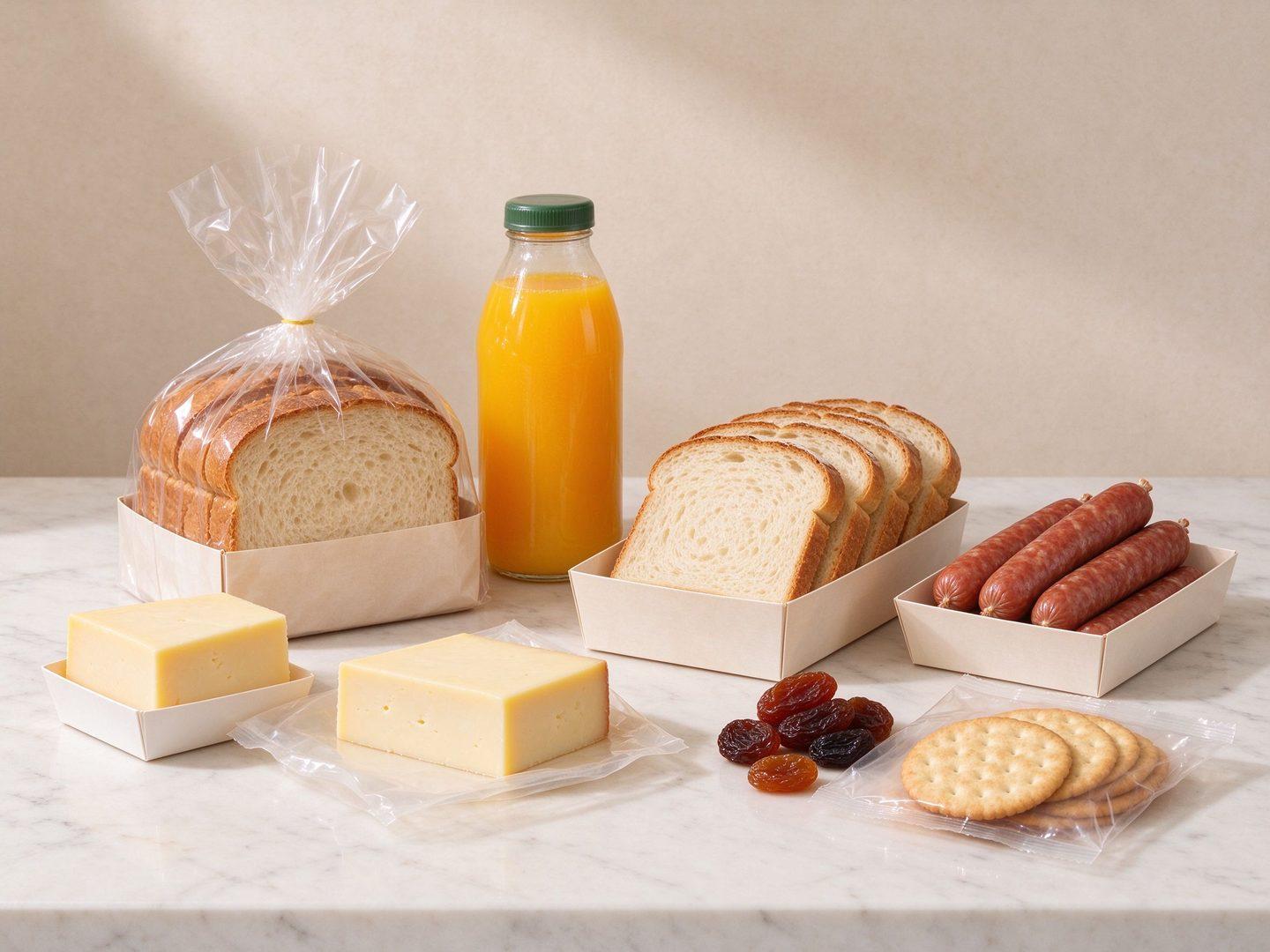
Few decisions in food formulation are framed as starkly as the choice between natural and synthetic preservatives. Consumers are reading labels more carefully, retailers are tightening ingredient policies, and regulators are re-examining additives that have been in service for decades. Yet "better" is rarely a matter of picking a side. A preservative's value depends on what it must protect against, the chemistry of your food matrix, the markets you sell into, and the story your label is allowed to tell. This article compares the two categories across efficacy, safety evidence, cost and supply, and ends with a practical framework for choosing — and defending — your preservation system. Figure 1: Food preservation in focus — from fresh ingredients to food-grade ingredient samples under controlled, clean conditions. I. What Are "Natural" and "Synthetic" Preservatives — and Why the Line Is Blurred For practical purposes, the two categories are defined by source and production process. Natural preservatives are substances derived from plants, animals, microorganisms or minerals without chemical synthesis. The most commercially important examples include nisin (an antimicrobial peptide produced by fermentation with Lactococcus lactis), natamycin (an antifungal polyene produced by Streptomyces fermentation), rosemary extract (standardized on the phenolic diterpenes carnosic acid and carnosol), tea polyphenols, tocopherols (vitamin E), citric and ascorbic acid, and lactates. Synthetic preservatives are manufactured by chemical synthesis — sodium benzoate, potassium sorbate, the antioxidants BHA and BHT, sodium nitrite, sulfites and calcium propionate are among the most widely used. Figure 2: Natural preservative sources — botanicals such as rosemary, green tea, citrus and rowan berries, and the standardized powders derived from them. The line blurs because several "natural" preservatives are nature-identical molecules — chemically identical to compounds found in nature, but manufactured synthetically at industrial scale. Sorbic acid is the classic example: it was first isolated in 1859 by A. W. von Hofmann from the berries of the rowan tree (Sorbus aucuparia), yet virtually all commercial supply today is synthesized, and the molecule on the ingredient list is the same either way. Citric acid is now produced predominantly by fermentation; vitamin C can be fermented or synthesized. "Natural" and "synthetic" therefore describe origin and process, not chemistry. Figure 3: Synthetic preservatives — standardized, high-purity food-grade powders manufactured for consistent, predictable performance. Regulators reinforce this nuance. The U.S. Food and Drug Administration (FDA) has never established a formal definition of "natural" for food labeling; it requested public comment on the term in 2015 and has not finalized a rule. The U.S. Department of Agriculture defines "natural" only for meat and poultry products — containing no artificial ingredients or added color, and only minimally processed. In the European Union, food additives are authorized as substances with E-numbers, with no legal distinction based on origin. A "natural" claim is therefore a marketing position that must be substantiated market by market, not a universally defined technical standard. II. Efficacy: Match the Mechanism to the Spoilage Risk Preservatives perform two distinct jobs: antimicrobial control — keeping bacteria, yeast and molds below harmful or spoiling levels — and antioxidant protection — delaying oxidative rancidity of fats and oils. The right choice starts with knowing which job your product needs, and under what conditions. 1. The pH window of weak-acid preservatives Most classical preservatives are weak acids that act in their undissociated form: only the uncharged molecule can cross the microbial cell membrane, then dissociate inside the cell and disrupt metabolism. This makes pH the single most important formulation variable. Benzoic acid (pKa ≈ 4.2) is most effective below about pH 4.5, which is why benzoates are standard in acidic beverages, sauces and pickles. Sorbic acid (pKa ≈ 4.76) extends activity to roughly pH 6.0–6.5, covering bakery fillings, cheese, dried fruit and wine. Propionates remain effective up to about pH 5.5 and — crucially — suppress molds and rope-forming bacteria while sparing yeast, which is why calcium propionate is the industry-standard mold inhibitor in bread. Figure 4: Effective pH windows of common weak-acid preservatives (schematic). Sorbates cover the widest range of the three; benzoates are confined to acid products. 2. Spectrum of activity Nisin targets Gram-positive bacteria and their spores — including Listeria monocytogenes and Clostridium botulinum — and is GRAS in the U.S. for inhibiting botulinum outgrowth in pasteurized cheese spreads (21 CFR 184.1538). Natamycin is a polyene antifungal active against molds and yeast, approved on cheese surfaces at up to 20 mg/kg (21 CFR 172.155) and in certain beverages through FDA GRAS notices. Sodium nitrite is the critical antibotulinal agent in cured meats; it also fixes color and contributes cured flavor. Sulfites provide broad-spectrum antimicrobial and anti-browning activity in dried fruit, wine and prepared produce — with regulatory restrictions discussed in Section III. BHA and BHT are oil-soluble antioxidants for fats, oils and fatty foods; in the U.S., total antioxidant content may not exceed 0.02% of the fat or oil content of the food (21 CFR 172.110). 3. Natural antioxidants and the standardization challenge Rosemary extract, tocopherols, tea polyphenols and ascorbyl palmitate have moved from niche to mainstream antioxidant options. Rosemary extract is authorized in the EU as E392 with a specification of at least 5% carnosic acid plus carnosol[7]; that kind of marker-compound standardization is what separates a reproducible ingredient from a variable botanical. The trade-offs are real: natural antioxidants often require higher use levels than their synthetic counterparts, can impart flavor or color at those levels, and vary with harvest and extraction. Synthetic antioxidants offer defined actives, tight specifications and predictable dose–response behavior. Table 1: Key preservatives at a glance. “Nature-identical” means the molecule also occurs in nature but is manufactured industrially. Preservative Origin / type Primary function Typical applications Nisin Fermentation-derived antimicrobial peptide (nature-identical) Antimicrobial — Gram-positive bacteria and their spores Pasteurized cheese spreads, dairy, meat, canned foods Natamycin Fermentation-derived polyene antifungal Antifungal — molds and yeast Cheese surface (≤20 mg/kg), certain beverages (≤5 mg/kg) Rosemary extract Plant extract standardized on carnosic acid + carnosol Antioxidant Oils, meat products, snacks, bakery fats Tocopherols (vitamin E) Plant-derived / nature-identical Antioxidant Oils, nuts, cereals, meat products Citric / ascorbic acid Fermentation / nature-identical Acidulant, antioxidant, color protection Beverages, fruit products, processed meat Sodium benzoate Synthetic Antimicrobial — yeast, molds, bacteria (acid products) Soft drinks, sauces, pickles, condiments Potassium sorbate Synthetic (nature-identical molecule) Antimicrobial — molds, yeast, bacteria Baked goods, cheese, dried fruit, wine Calcium propionate Synthetic Antifungal — molds and rope-forming bacteria Bread and baked goods Sodium nitrite Synthetic Antibotulinal; color and flavor development Cured and fermented meats Sulfites Synthetic Antimicrobial, antioxidant, anti-browning Dried fruit, wine, prepared produce III. Safety: What the Evidence Actually Shows Both categories are regulated as food additives under the same systems — GRAS or food-additive status at FDA, E-number authorization in the EU, listing under GB 2760 in China — and both are subject to the same pre-market reviews and post-market re-evaluations. The relevant question is not whether a category is "safe," but what the evidence shows for each substance in its permitted uses. Acceptable daily intakes after recent re-evaluations Benzoic acid and benzoates: group ADI of 5 mg/kg body weight per day (EFSA, 2016). EFSA noted the ADI could be exceeded in a brand-loyal scenario by toddlers and children who regularly consume flavored drinks. Sorbic acid and potassium sorbate: temporary group ADI of 3 mg/kg bw per day (EFSA, 2015) — a reduction from the earlier JECFA group ADI of 25 mg/kg bw per day — pending a new reproductive toxicity study. Sodium nitrite: ADI of 0.07 mg/kg bw per day; sodium nitrate: 3.7 mg/kg bw per day (EFSA, 2017). Documented watch-points Benzoates plus vitamin C can form trace benzene. Benzene can be generated when benzoate preservatives are combined with ascorbic acid (vitamin C) in acidic beverages. FDA testing in 2005–2007 found a small number of products above the 5 ppb drinking-water guideline; those products were reformulated, and follow-up testing showed benzene levels brought below the threshold. Sulfites are restricted for a reason. FDA revoked GRAS use of sulfites on raw fruits and vegetables in 1986 after reports of severe reactions, and requires label declaration whenever sulfite is present at 10 ppm or more. Sulfite sensitivity — including asthma exacerbations and, rarely, anaphylaxis — affects a small but clinically significant share of consumers, concentrated among people with asthma. Nitrites can form N-nitrosamines. Nitrite may react with amines under high-heat processing. EFSA's 2017 re-evaluation concluded that nitrite and nitrate are safe at the levels permitted, with dietary exposure exceeding the ADI only in a small fraction of children at high consumption percentiles — while recommending that nitrosamine formation be minimized. Synthetic antioxidants are under renewed scrutiny. BHA is classified by IARC as Group 2B ("possibly carcinogenic to humans") and listed by the U.S. National Toxicology Program as "reasonably anticipated to be a human carcinogen" on the basis of animal studies. In February 2026 the FDA opened a formal post-market re-assessment of BHA (Docket FDA-2026-N-0302), extending the same process to BHT in May 2026. "Natural" is not automatically safer Nitrite and nitrate occur naturally in vegetables, and IARC's 2015 classification of processed meat as Group 1 ("carcinogenic to humans") and red meat as Group 2A reflects total dietary patterns — preservation chemistry, cooking and other factors together — not a verdict on preservatives in isolation. Some naturally derived compounds are allergens (sulfites in wine), and a botanical extract is only as safe and consistent as its specification. Dose, matrix and compliance — not source — determine risk. The pattern across the scientific record is that both categories have documented strengths and documented watch-points, which is precisely why challenge testing and shelf-life validation matter more than category loyalty. IV. Cost, Stability and the Clean-Label Market Economics and stability. Synthetic preservatives remain the economic workhorses of the industry: low unit cost, heat-stable performance (BHA and BHT survive frying temperatures that degrade many natural antioxidants) and decades of manufacturing experience. Natural options are typically more expensive at effective use levels and can demand sensory trade-offs — rosemary extract's aroma, tea polyphenols' color — as well as tighter supply-chain qualification for batch consistency. Market pull. The commercial pressure for natural alternatives is real and measurable. In IFIC's 2024 Food & Health Survey, about 24% of U.S. consumers reported routinely checking labels specifically to avoid chemical additives. Industry estimates put the natural preservatives segment on a roughly 7% compound annual growth path for 2025–2032, with clean-label formulations growing faster than conventional ones. These figures are estimates, but the direction is consistent: clean-label demand is reshaping reformulation priorities. Figure 5: Everyday packaged foods — each relies on a preservation system matched to its specific spoilage risk. Regulatory alignment. The same molecule can be GRAS in the United States, carry an E-number in the European Union, and be subject to different maximum use levels under China's GB 2760. Map your target markets before locking a formulation: a claim you can support in one market may not transfer to another. V. A Decision Framework: How to Choose for Your Product 1. Define the spoilage risk. Identify the target organisms (pathogens versus spoilage flora), the product's pH and water activity, packaging atmosphere, processing history and target shelf life. This determines which mechanism — antimicrobial, antioxidant, or both — is actually needed. 2. Match the mechanism. Acidic beverages: benzoates or sorbates. Bread: propionates. Cheese surface: natamycin. Cured meat: nitrite, with nitrosamine-minimizing practices. Oils and fried snacks: BHA/BHT, tocopherols or rosemary extract. 3. Screen for compatibility. Check the pH window, sensory impact, interactions with other ingredients (for example, benzoates with vitamin C), and stability through your process. 4. Build a hurdle system. Rarely is one preservative the whole answer. Heat, reduced water activity, pH, modified-atmosphere packaging and multiple preservatives at lower individual levels work synergistically — the foundation of modern preservation. 5. Validate with data. Challenge tests against relevant pathogens and accelerated shelf-life trials are non-negotiable; literature claims are a starting point, not proof. 6. Verify compliance per market. FDA GRAS/CFR listings, EFSA E-number authorizations and use-level limits, GB 2760 in China, plus organic, halal/kosher and label-claim rules. 7. Align with your brand. Clean-label positioning does not require abandoning proven chemistry. Fermentation-derived options (nisin, natamycin), lactates and nature-identical acids can often deliver both the label and the shelf life. Table 2: Natural versus synthetic preservatives at a glance. Dimension Natural Synthetic Source & process Plant, microbial or mineral origin; minimal chemical synthesis Chemically manufactured; defined active substances Consistency Batch variability; requires marker-compound standardization Tight specifications; predictable dose–response Cost Typically higher at effective use levels Low unit cost; economical at scale Sensory Can impart flavor or color at effective doses Generally neutral at permitted use levels Consumer perception Strong clean-label appeal Growing scrutiny; retailer exclusion lists Regulatory status Same safety review; "natural" claims need per-market substantiation Same safety review; several under re-assessment (BHA, BHT) Typical fit Clean-label programs, premium and export lines, lower-risk matrices High-throughput, cost-sensitive, higher-risk matrices Conclusion There is no universal winner in the natural-versus-synthetic debate, and the evidence does not support treating either category as inherently superior. Both families contain safe, effective, well-regulated options, and both contain substances that demand careful formulation discipline. What separates a successful product is the quality of the match: the right preservation system for the product's spoilage risk, processing and target market. Build that match on data — challenge tests, shelf-life trials and per-market compliance — and let the label reflect the evidence rather than the other way around. About Leafchem Leafchem is a professional manufacturer and supplier of food additives, cosmetic ingredients and fine chemicals. From fermentation-derived nisin and food-grade lactates to synthetic antioxidants such as BHA and high-purity methylparaben, we supply preservatives with full COA, batch traceability and regulatory documentation support. Visit Leafchem to discuss your formulation.
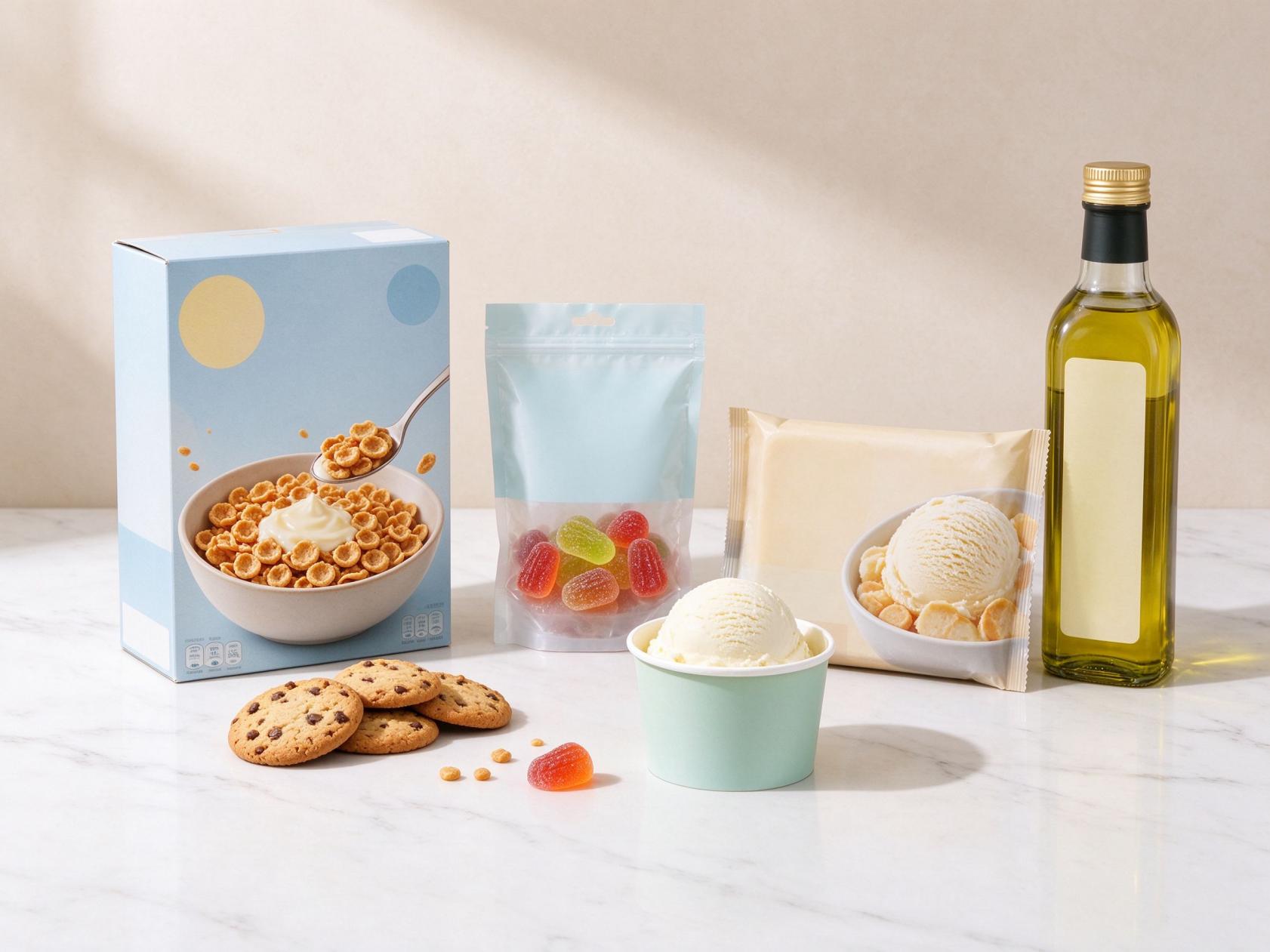
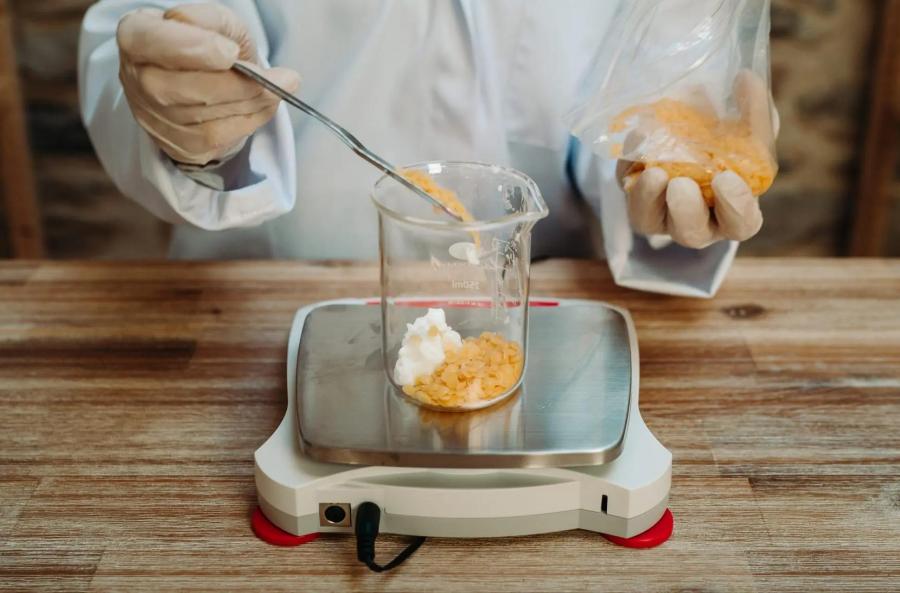
Figure 1: BHA in focus — food preservation meets laboratory science On February 10, 2026, the U.S. Food and Drug Administration (FDA) launched a comprehensive post-market re-assessment of butylated hydroxyanisole (BHA), a synthetic antioxidant that has protected the fats and oils in processed foods for nearly seven decades. For food manufacturers, the move signals that one of the industry's most established preservatives has entered a formal period of regulatory review — with potential consequences for formulations, labeling, and supply chains. Here is what the FDA has actually done in 2026, where BHA stands under U.S. law today, and the steps manufacturers should take now. I. Understanding BHA: Chemistry, Function & Regulatory History BHA (CAS No. 25013-16-5) is an oil-soluble synthetic antioxidant with the molecular formula C₁₁H₁₆O₂, typically supplied as a white to pale yellow waxy solid. Commercially, it is a mixture consisting predominantly of 3-tert-butyl-4-hydroxyanisole (3-BHA, CAS 121-00-6), with varying amounts of 2-tert-butyl-4-hydroxyanisole (2-BHA, CAS 88-32-4). Its function in food is to inhibit the oxidative rancidity of fats and oils, extending the shelf life of products such as frozen meals, breakfast cereals, cookies, candy, ice cream, and meat products. Figure 2: High-purity BHA — a white to pale yellow waxy antioxidant solid The FDA listed BHA as Generally Recognized as Safe (GRAS) in 1958 and approved it as a food additive in 1961. Today, BHA is authorized in the United States through several regulatory pathways: GRAS antioxidant use (21 CFR 182.3169) — total antioxidant content may not exceed 0.02% of the fat or oil content of the food. Direct food additive (21 CFR 172.110) — as an antioxidant, alone or in combination with butylated hydroxytoluene (BHT), in specified foods with listed limitations. Flavoring substances (21 CFR 172.515(d)) — not to exceed 0.5% of the essential oil content of the flavoring substance. Chewing gum base (21 CFR 172.615(a)) — total antioxidant content not to exceed 0.1% of the gum base. Prior-sanctioned packaging use (21 CFR 181.24) — as an antioxidant migrating from food packaging, with a limit of addition to food of 0.005%. Food contact materials — including coatings, adhesives, paper and paperboard, plastics, closures with sealing gaskets, EVA copolymers, machinery lubricants, and polyethylene film (e.g., 21 CFR 175.300, 176.170, 177.1350, 179.45). USDA specifications — for butteroil (7 CFR 58.305(b)) and the standards of identity for margarine (9 CFR 319.700(b)(6); 21 CFR 166.110(b)(5)). On the safety record, the NIH's National Toxicology Program (NTP) lists BHA as "reasonably anticipated to be a human carcinogen" based on animal studies; the International Agency for Research on Cancer (IARC) classifies it as Group 2B, "possibly carcinogenic to humans"; and BHA appears on California's Proposition 65 list of substances known to cause cancer. The FDA has stressed that its reassessment is being conducted on the latest state of the science. II. The 2026 FDA Re-Assessment: A Timeline May 2025 — FDA launches a strengthened program to review chemicals already in the food supply and identifies BHA as a top priority for post-market review. February 10, 2026 — FDA announces a comprehensive re-assessment of BHA and issues a Request for Information (RFI) on its use and safety in human food and as a food contact substance. February 11, 2026 — The RFI is published in the Federal Register (91 FR 6227; Docket No. FDA-2026-N-0302), with comments due by April 13, 2026. April 13, 2026 — The comment period closes. Submissions come from food and feed trade groups, flavor and chewing-gum industry associations (including the Flavor and Extract Manufacturers Association and the International Chewing Gum Association), and consumer advocacy organizations. May 13, 2026 — The same process is extended to related synthetic preservatives: FDA publishes RFIs for butylated hydroxytoluene (BHT) and azodicarbonamide (ADA). As of September 2026 — The BHA assessment remains ongoing. No final agency determination has been announced, and BHA remains authorized for its current uses at the federal level. Figure 3: FDA BHA post-market re-assessment timeline, 2025–2026 Speaking at the announcement, Health and Human Services Secretary Robert F. Kennedy, Jr. stated: "If BHA cannot meet today's gold-standard science for its current uses, we will remove it from the food supply and continue cleaning up food chemicals—starting where children face the greatest exposure." The reassessment implements the recommendations of the White House Make America Healthy Again (MAHA) Commission for an evidence-based, systematic post-market assessment process for chemicals in food. FDA has also stated its intention to propose a regulation that would close the "GRAS loophole," which currently allows manufacturers to conclude that a food chemical use is GRAS without notifying the agency. III. What the FDA Is Asking Manufacturers: Inside the Request for Information The RFI requests data across a dozen categories, including: 1. General food categories in which BHA is used, with typical and maximum use levels per category; 2. Current food-contact uses of BHA and data on migration from packaging into food; 3. Subpopulations with high dietary exposure or particular safety concerns, including children; 4. Other dietary sources of BHA, such as supplements, natural occurrence, residues in animal products, or contaminants; 5. Market share of foods formulated with BHA and updated poundage (market disappearance) data; 6. Biomonitoring data for BHA and its metabolites; 7. Unpublished safety data, and documentation of GRAS conclusions or prior sanctions; 8. Information indicating that one or more authorized uses have been abandoned. Why this matters: FDA states that it uses "maximizing assumptions" to estimate dietary exposure and that, "without refinements assisted by manufacturer-use information, this may lead to overestimation of dietary exposure that could impact authorizations for the chemical's use in food or as a food contact substance." In plain terms — manufacturers that do not submit current use data may be assessed against worst-case assumptions, and those assumptions could influence whether uses are restricted or withdrawn. IV. Beyond Washington: State Bans, Retail Policies & Citizen Petitions West Virginia enacted HB 2354 in March 2025, the first state law to ban BHA in food. The BHA prohibition takes effect on January 1, 2028, following an earlier phase covering school nutrition programs. Retailers such as Kroger, Hy-Vee, and Aldi prohibit BHA in their store-brand products, according to the Environmental Working Group. Citizen petition FAP 0A4216, a "Petition to prohibit the use of BHA," is currently listed as "under review" on FDA's public petitions page. The state-level and marketplace pressure does not change the federal status of BHA today, but it creates a patchwork of requirements that manufacturers shipping across the U.S. need to track market by market. Figure 4: Everyday packaged foods that rely on antioxidant preservation V. What Food Manufacturers Should Do Now 1. Map your BHA footprint. Identify the food categories, use levels, and food-contact applications in your portfolio that fall within the RFI's data request. 2. Participate in the data call. Submit aggregated use and exposure data — individually or through trade groups — so that FDA refines its exposure estimates with real market information rather than maximizing assumptions. 3. Monitor the docket. Track Docket No. FDA-2026-N-0302 and FDA's "List of Select Chemicals in the Food Supply Under FDA Review" for upcoming milestones and any proposed rulemaking. 4. Evaluate alternatives now. Tocopherols (vitamin E), rosemary extract, and ascorbyl palmitate are widely used oil-soluble antioxidant options. Confirm that any replacement is itself authorized for the intended use under U.S. food regulations before reformulating — and remember that BHT, BHA's traditional partner, is itself under FDA review. 5. Demand supplier documentation. Require COA, batch traceability, heavy metal and microbial test reports, and stability data from raw material suppliers, so your compliance file is ready for any label or registration question. 6. Plan for state-level divergence. With state bans effective from 2028, review formulation and product registration plans for each market you serve. Figure 5: Regulatory review is reshaping the compliance landscape for food ingredients Conclusion BHA remains legal at the federal level as of September 2026, but the direction of travel is clear: the FDA's first formal re-assessment in decades, a pending prohibition petition, state-level bans, and retailer exclusions all point to tighter scrutiny ahead. Manufacturers that map their exposure today, participate in the data call, and prepare reformulation scenarios will be best positioned regardless of how the assessment concludes. Leafchem is a professional manufacturer and supplier of food additives, cosmetic ingredients, and fine chemicals. For high-purity BHA (CAS 25013-16-5 / 121-00-6) with full COA, batch traceability, and regulatory documentation support, contact our team today.
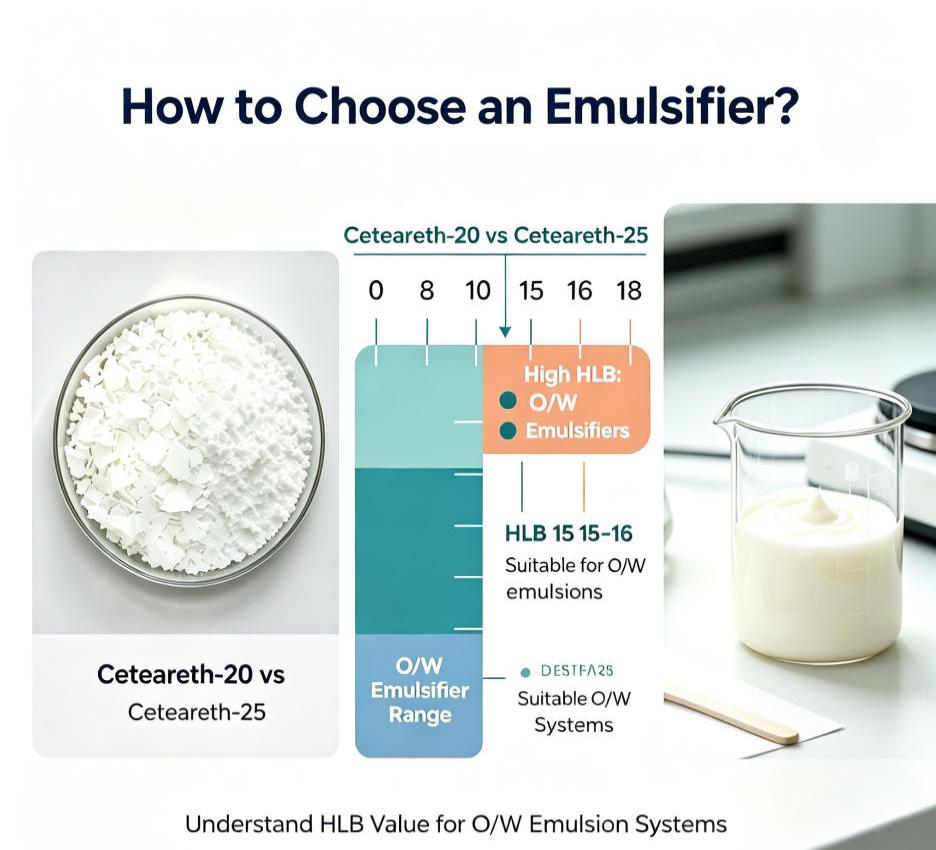
To create an O/W emulsion with a smooth skin feel and stable consistency, the choice of emulsifier is often the key to the success of the formula. Even though Ceteareth-20 and Ceteareth-25 are both hydrophilic non-ionic emulsifiers with only a difference of one digit in their names, their dosages, skin feel and application systems can be completely different. So which one should be chosen? This article will help you figure it out all at once. Ⅰ. Let's first introduce two "emulsifying agents": Ceteareth-20 and Ceteareth-25 Ceteareth-20 and Ceteareth-25 (CAS 68439-49-6) are both non-ionic emulsifiers formed by the condensation of cetearyl alcohol with ethylene oxide. The difference lies in the number of moles of ethylene oxide used for condensation: Ceteareth-20 has 20 moles, while Ceteareth-25 has 25 moles. Both are white waxy solids (in sheet or particle form), with an HLB value ranging from approximately 15.2 to 16.0. They are highly hydrophilic emulsifiers and are ideal choices for preparing water-in-oil (O/W) emulsions and creams. Ⅱ. HLB Value: Understand the Core Differences in One Sentence When choosing an emulsifier, the first step is to look at the HLB value. The higher the HLB value, the more hydrophilic the emulsifier is, and it is more suitable for the oil-in-water system. Both Ceteareth-20 and Ceteareth-25 have an HLB value of around 15–16, so they can stabilize the O/W emulsification system. The real difference lies in: as the number of ethylene oxide increases, Ceteareth-25 has stronger hydrophilicity, gel-forming ability, and thickening capacity, making it more suitable for systems requiring thicker texture and higher stability; while Ceteareth-20 is more balanced and versatile, with a wider compatibility and adaptability. Ⅲ. How to Choose: Ceteareth-20 vs Ceteareth-25 • For a classic, balanced, and cost-effective universal emulsifier → Choose Ceteareth-20. It is widely used in creams, lotions, shampoos, conditioners, and cosmetic creams, and is an "all-purpose" emulsifier for many basic formulas. • For stronger thickening/gel-forming ability, a thicker skin feel, or for sun protection, no-rinse, makeup removal, hair dyeing, etc. → Choose Ceteareth-25, which has more prominent gel-forming and thickening properties. Many formulators will also combine Ceteareth-20/25 with Ceteareth-12, etc., to finely adjust the consistency and texture of the emulsion. The final criterion for judgment is not the specification itself, but the stability, texture, and cost after sampling. Ⅳ. Purchase Suggestions for Formulators Regardless of which one you choose, the quality of the raw materials directly determines the stability of the final product: pay attention to purity (cosmetic-grade high purity), HLB stability, batch-to-batch consistency, as well as compliance documents such as COA, MSDS, and USP/EP; choose a first-hand manufacturer with stable supply capacity (stable monthly production capacity and spot inventory), which can significantly reduce procurement and sampling risks. Leafchem's high-purity raw materials come with traceable batch numbers and complete batch COA. Samples are available for free to facilitate sample testing and validation. Conclusion There is no absolute "which one is better" for Ceteareth-20 and Ceteareth-25; it all depends on which one is more suitable for your formula. First, understand the HLB value, and then conduct sample verification based on the desired skin feel and system stability. With this, you can make the right choice between the two.



leave a message


 IPv6 network supported