Leave A Message
If you are interested in our products and want to know more details,please leave a message here,we will reply you as soon as we can.

Bulk Premium Aspartame Sweetener C14H18N2O5 | CAS 22839-47-0
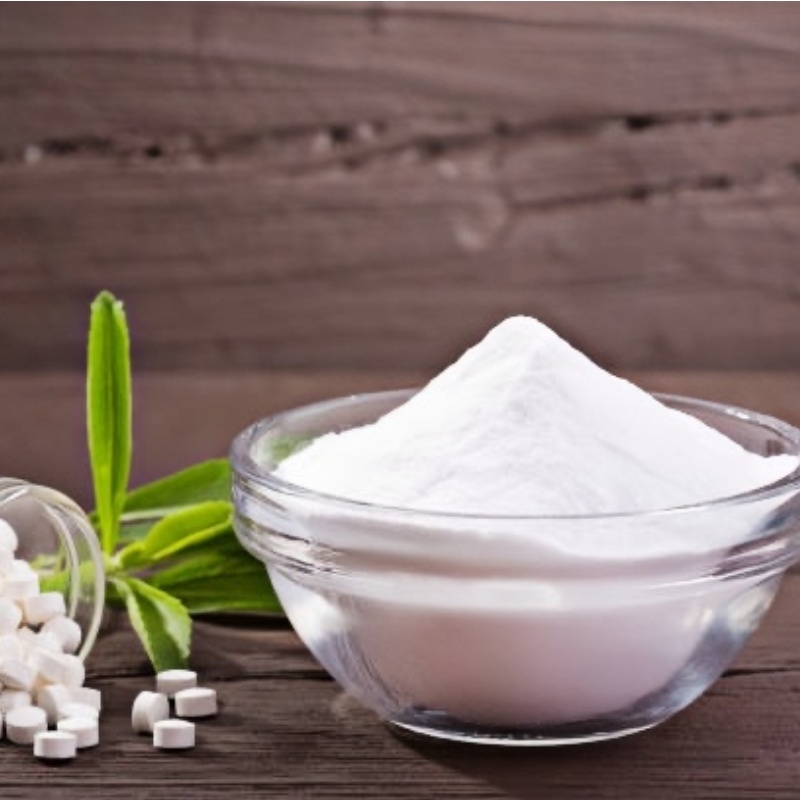
Item No :
LEAFCHEM 030Order(MOQ) :
100 KGSProduct Origin :
ChinaLead Time :
2-3 WeeksWeight :
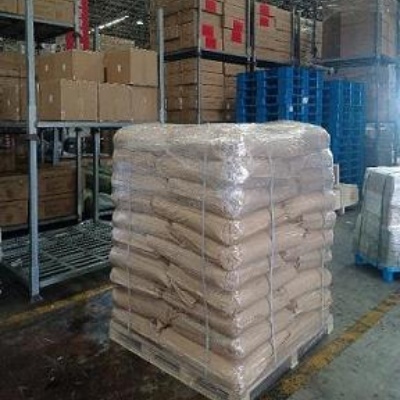
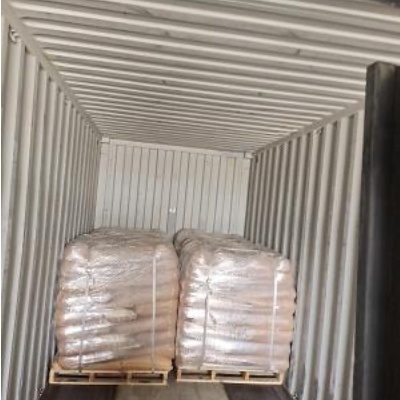
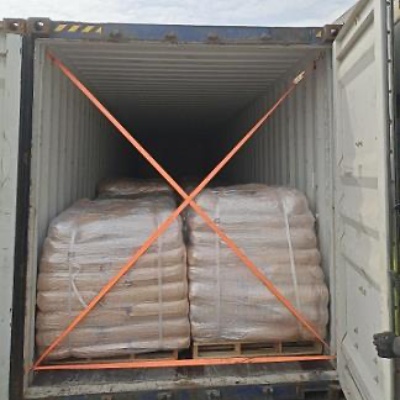
25kg/bag on palletsCas No. :
22839-47-0Molecular Formula :
C14H18N2O5Appearance :
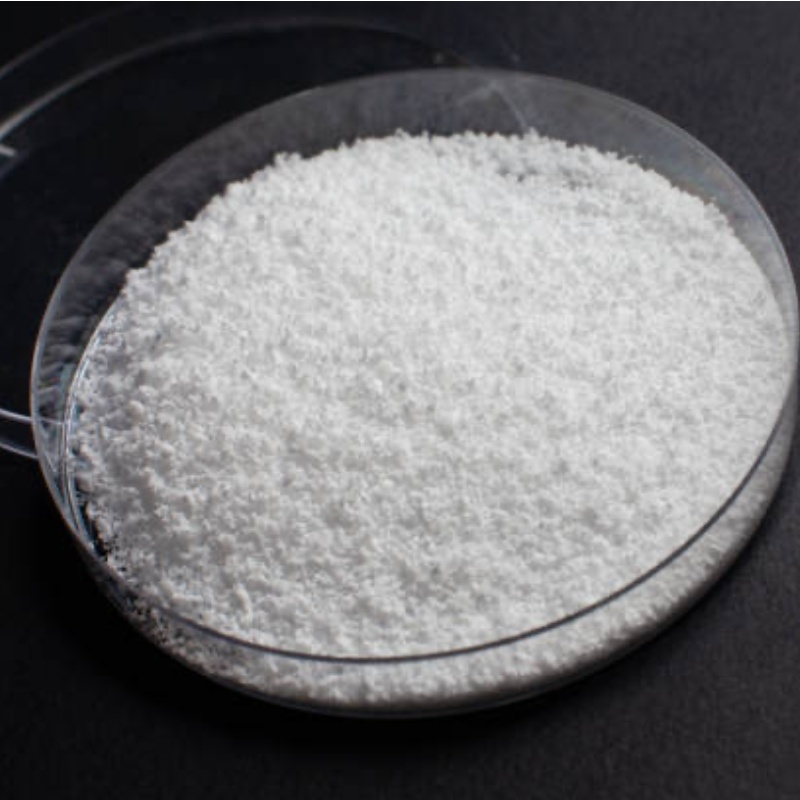
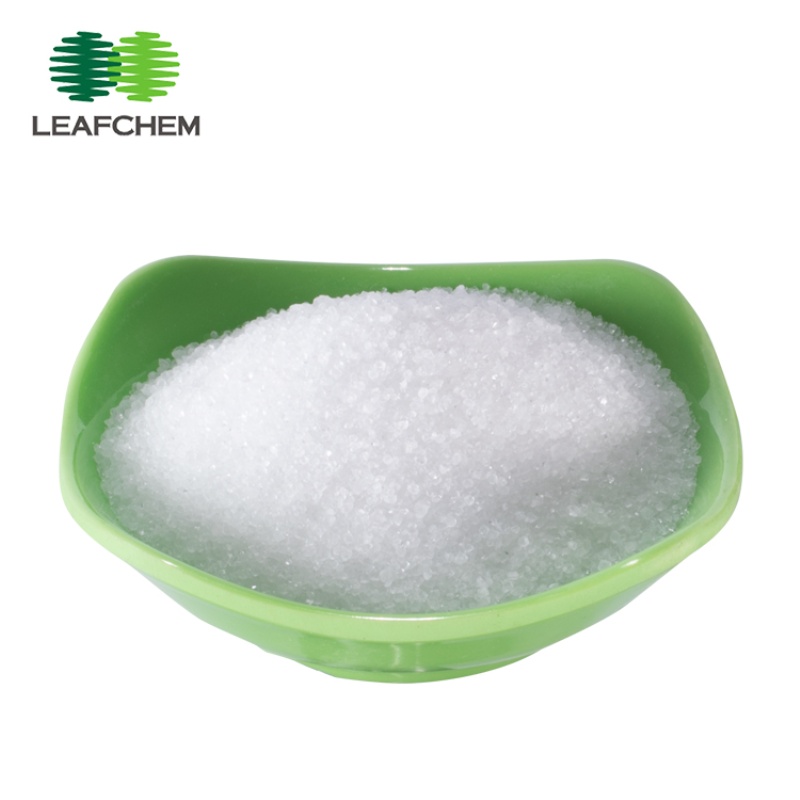
White crystalline powder or granulesAssay :
L-Aspartic-L-phenylalanine methyl esterApplication :
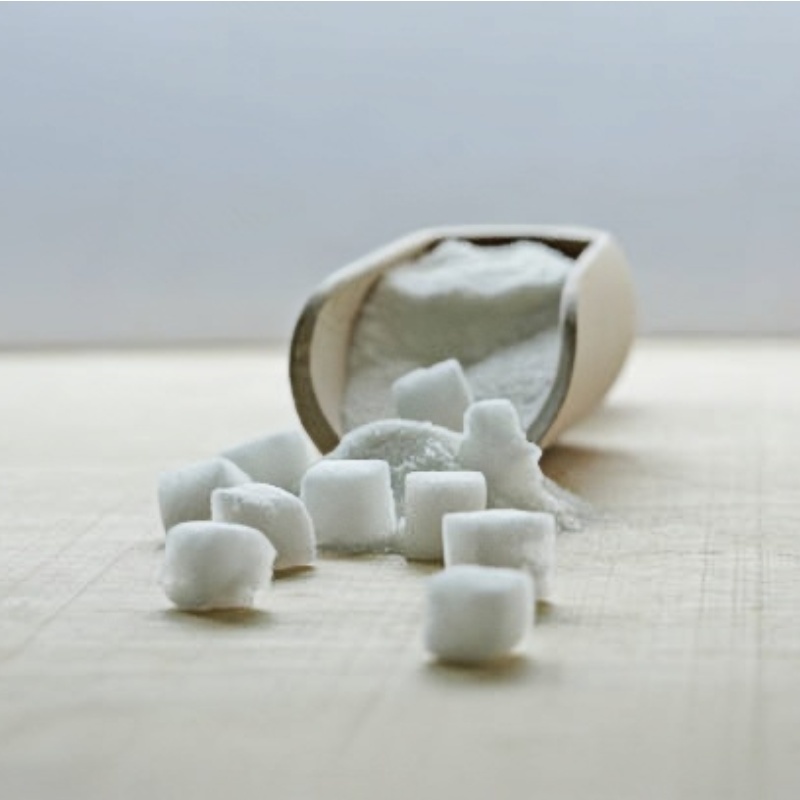
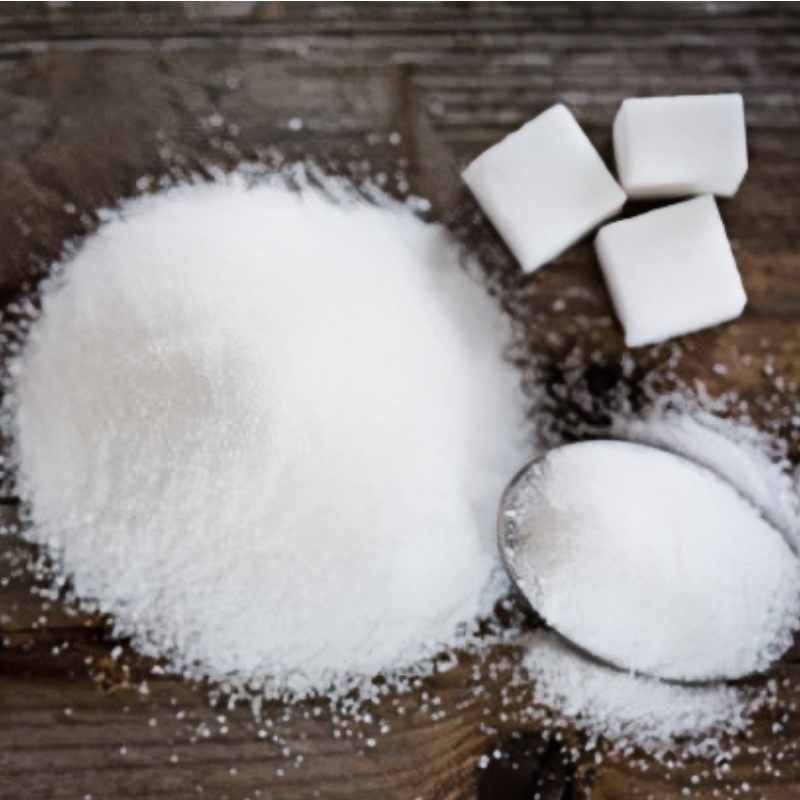
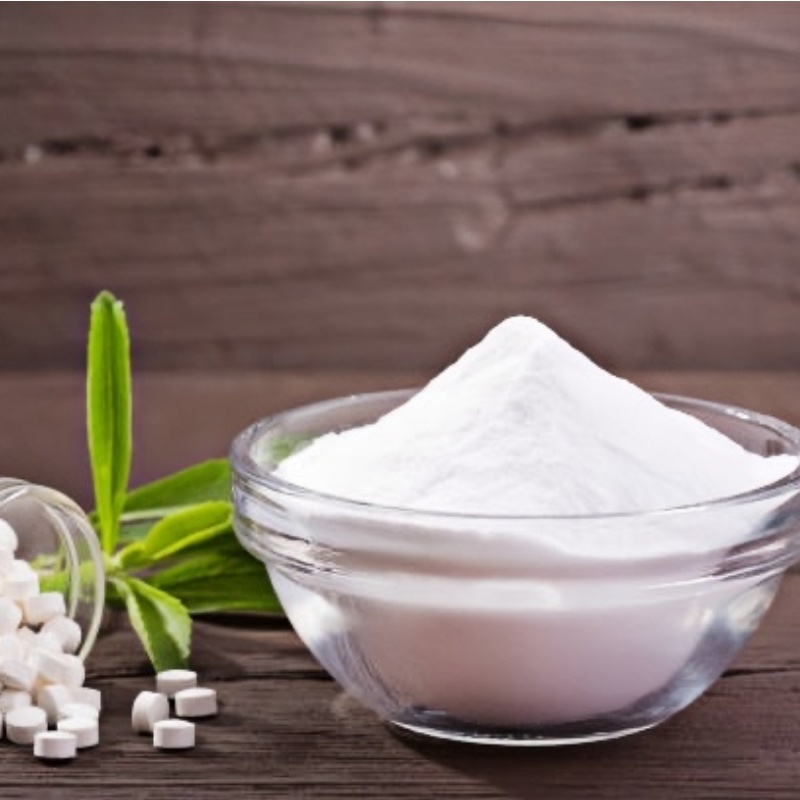
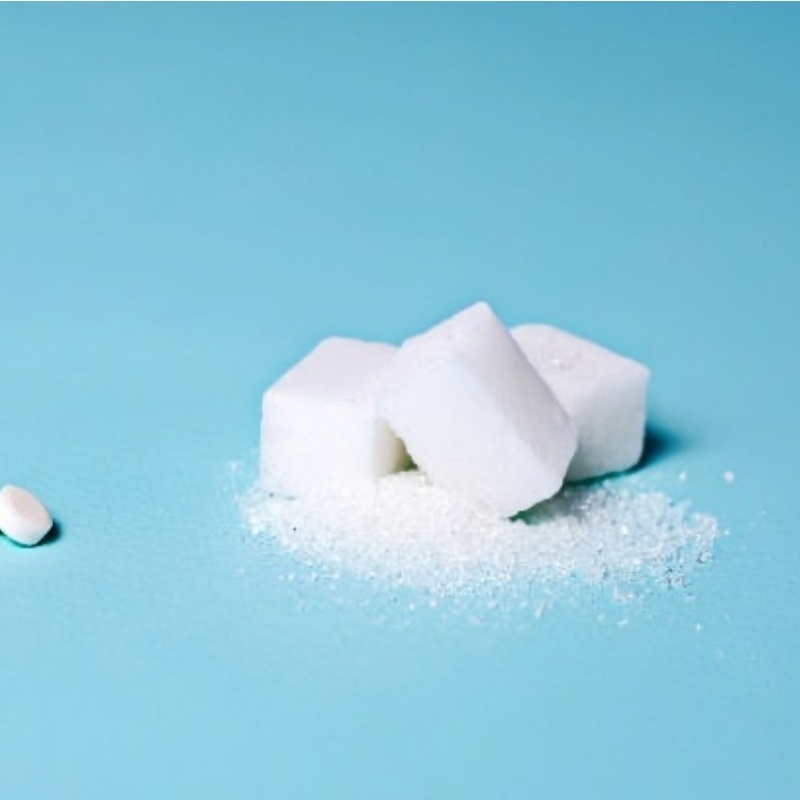
Raw materials for the food industryAspartame Overview
Technical Specifications
| ltems | Standards | Test Method |
|---|---|---|
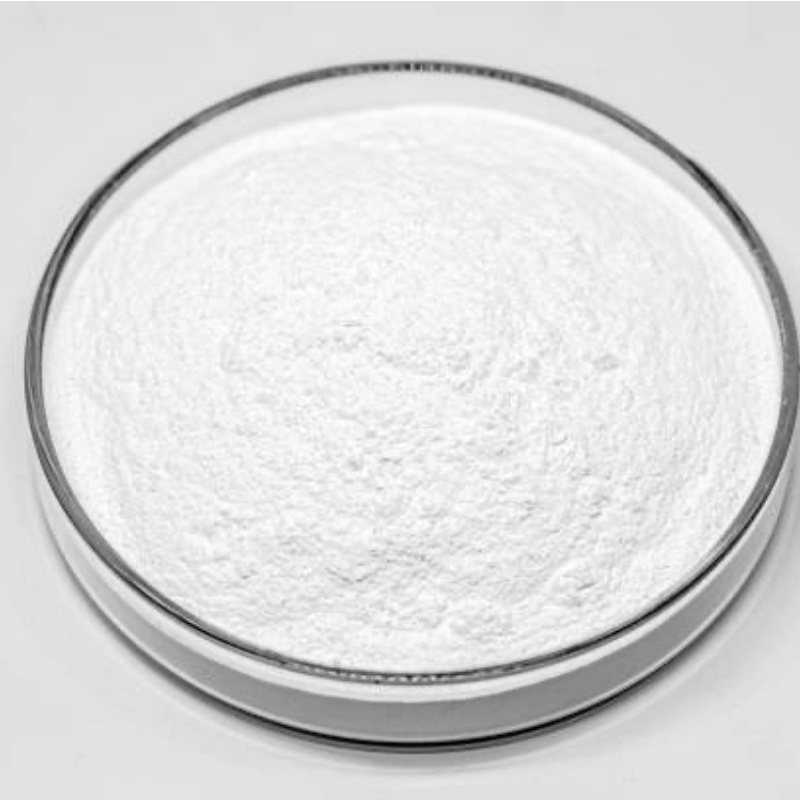
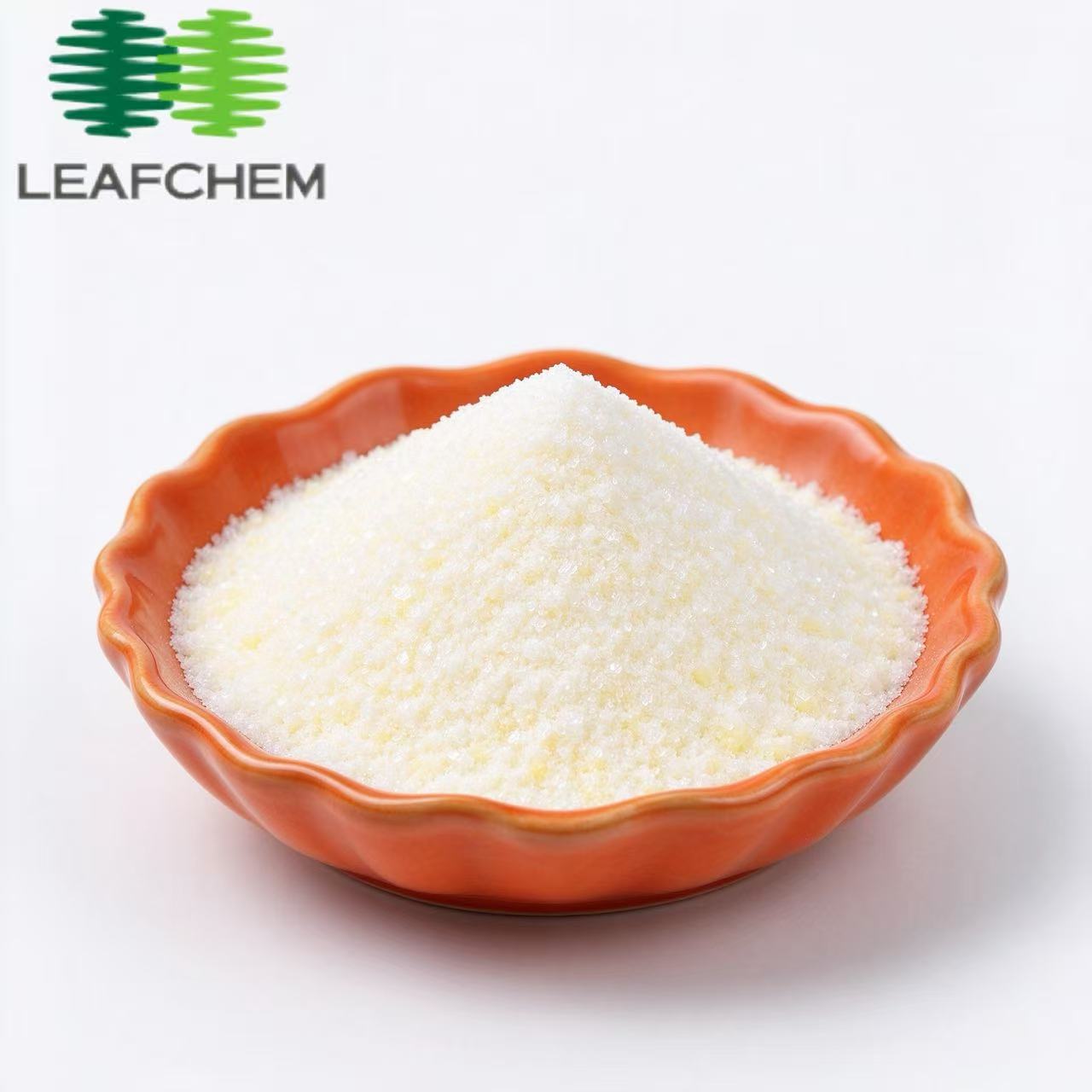
| Appearance | White crystalline powder, free of visible | Visual Inspection |
| Assay (on dry basis) |
≥98.0%-102.0% |
High Performance Liquid Chromatography (HPLC) |
| Specific Optical Rotation [a]20D | +14.5° to +16.5° | Polarimeter Method |
| Loss on Drying | ≤ 4.5% | Loss on Drying at 105C |
| Residue on lgnition | ≤ 0.2% | Gravimetric lgnition Method |
| Related Substances (lmpurities) | Complies with FCC/JECFA pharmacopoeial | HPLC |
| Sweetness | standardsApproximately 180-220 times that of sucrose | Sensory Evaluation Method |
Application Fields
FAQ: Aspartame
Q: What is aspartame?
A: Aspartame is a high-intensity, low-calorie artificial sweetener. Chemically named Methyl L-aspartyl-L-phenylalaninate, it appears as a white crystalline powder with pure sweetness and no bitter aftertaste.|
Q: How sweet is aspartame compared to sucrose?
A: Its sweetness is approximately 180–220 times that of sucrose, enabling ultra-low dosage in food and beverage production.
Q: Is aspartame stable under high temperatures?
A: Aspartame is stable in dry conditions and neutral-pH systems but may partially decompose under prolonged high-temperature processing. It is not recommended for high-heat baked goods requiring long baking times.
Q: What are the main applications of aspartame?
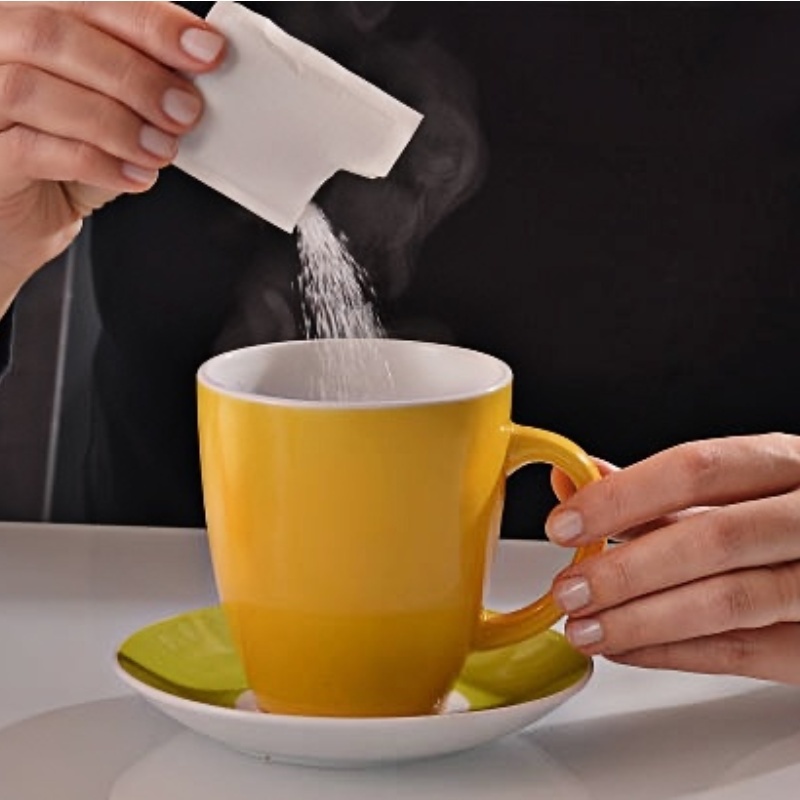
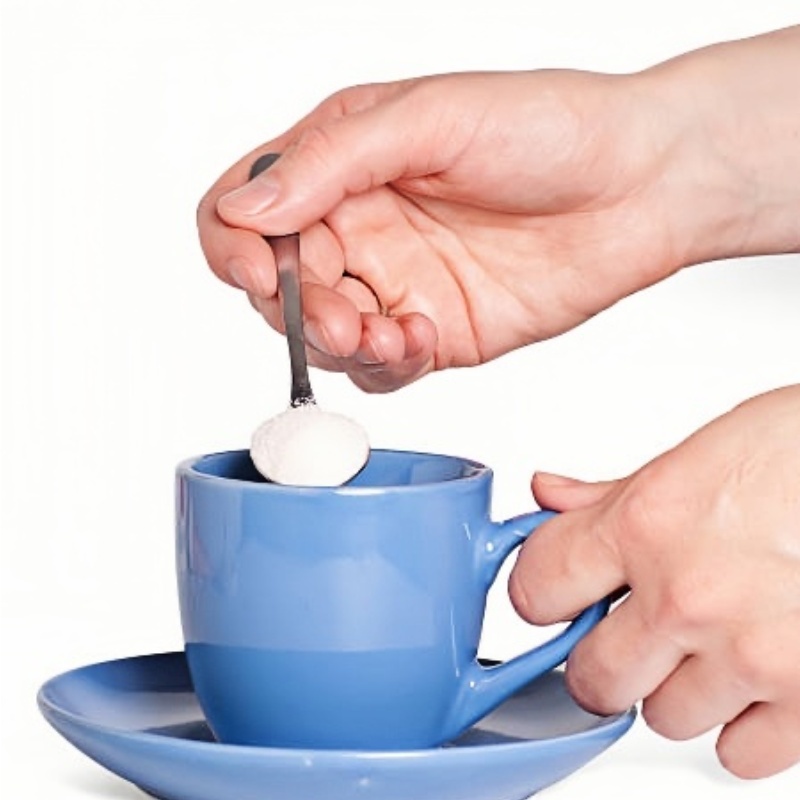
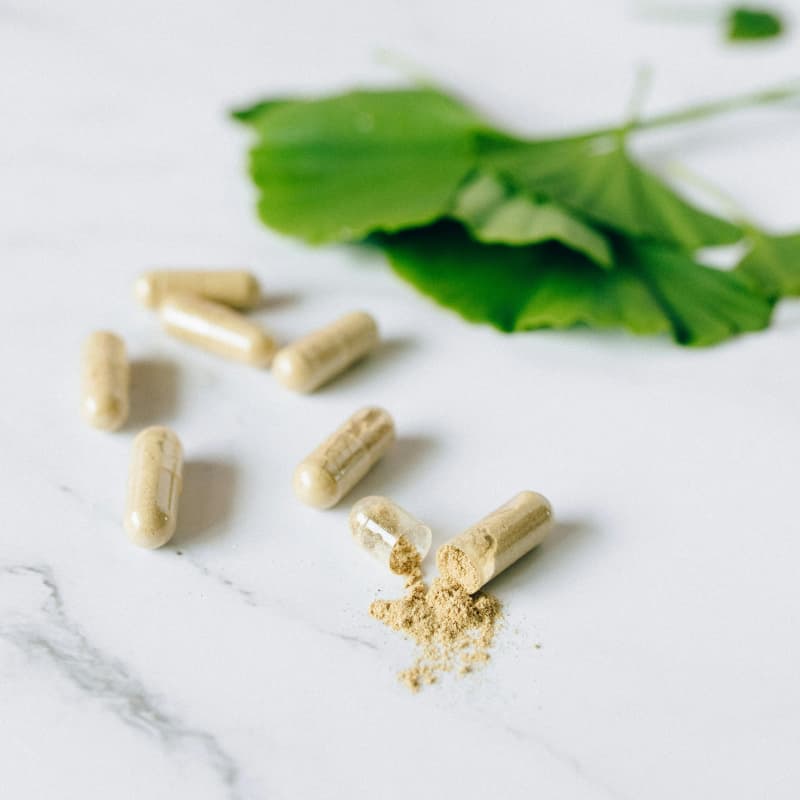
A: It is widely used in sugar-free/low-sugar beverages (e.g., zero-sugar colas, ready-to-drink teas), dairy products, chewing gums, pharmaceuticals, and tabletop sweetener sachets/tablets.
Q: Does aspartame comply with global food safety standards?
A: Yes. Our aspartame meets major international regulations, including China’s GB 2760, U.S. FDA, EU EFSA, and JECFA standards, with full compliance certifications.
Q: Can aspartame be blended with other sweeteners?
A: Absolutely. It has excellent synergistic effects when combined with acesulfame-K, sucralose, etc., which optimizes sweetness profiles and reduces overall formulation costs.
Q: Is aspartame suitable for diabetic patients?
A: Yes. With ultra-low calories and no impact on blood sugar levels, it is a preferred sweetener for sugar-free foods, beverages, and medications targeted at diabetic consumers.
Q: What are the key quality specifications of aspartame?
A: The main quality indicators include assay (≥98.0%–102.0% on dry basis), specific optical rotation ([α]²⁰D: +14.5° to +16.5°), loss on drying (≤4.5%), and compliance with FCC/JECFA impurity standards.



leave a message


 IPv6 network supported