Leave A Message
If you are interested in our products and want to know more details,please leave a message here,we will reply you as soon as we can.

Order(MOQ) :
500kgsProduct Origin :
ChinaColor :
Brownish-yellowShipping Port :
Shanghai, ChinaLead Time :
2-3 weeksWeight :
25kgCas No. :
90046-52-5Molecular Formula :
C22H18O11Appearance :
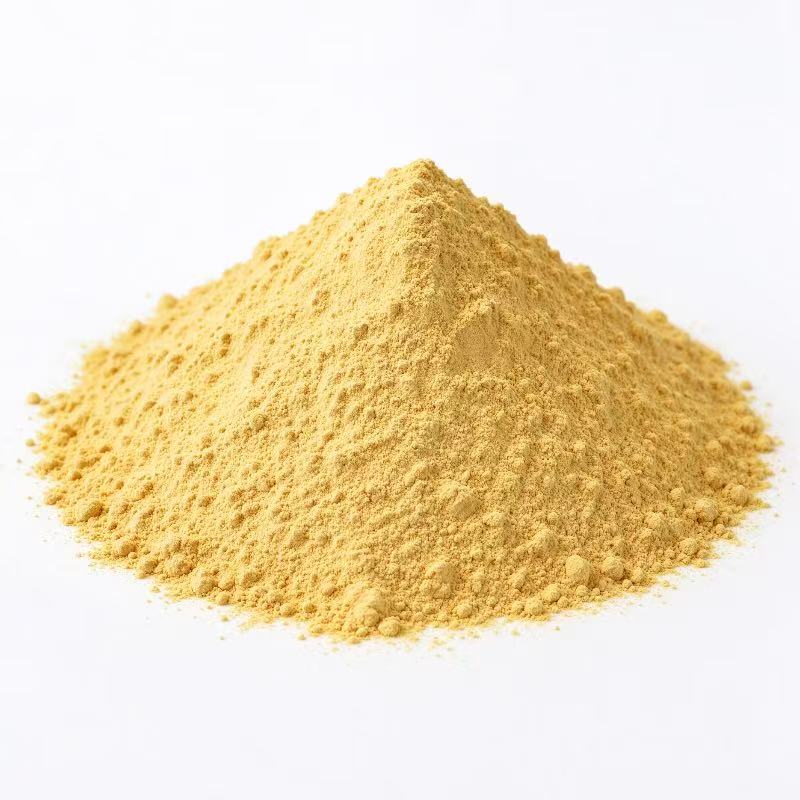
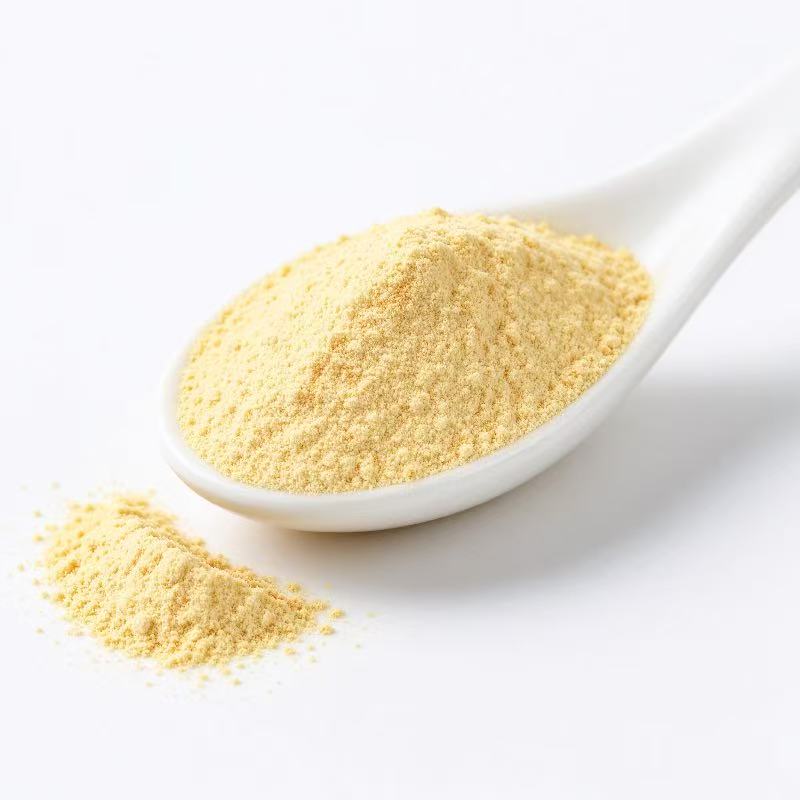
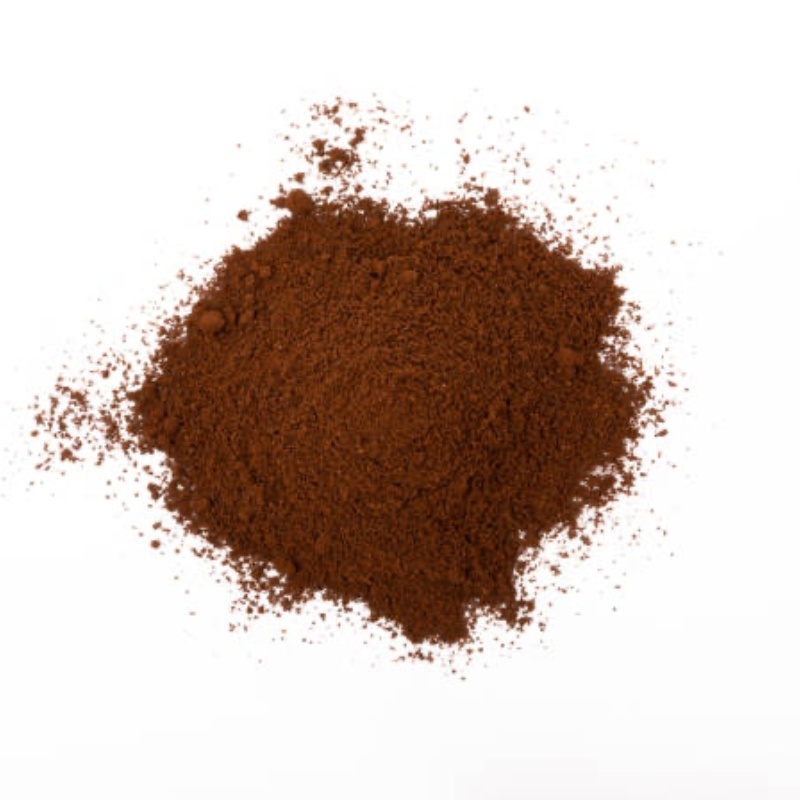
Brownish-yellow to brown fine powderAssay :
Total Flavonoid Glycosides ≥ 24%; Total Terpenoid Lactones ≥ 6%; Ginkgolic Acids ≤ 5 ppmApplication :
Dietary Supplements; Pharmaceuticals; Food & Beverages; CosmeticsCore Advantages
Technical Specifications
|
Item |
Description & Specifications |
|
Key Active Ingredients |
Tea polyphenols; epigallocatechin gallate (EGCG) |
|
Standardized Content |
Tea polyphenols: 50%, 70%, 98%; EGCG: 40%, 60%, 95% and above |
|
Low-Caffeine Options |
Caffeine ≤ 0.5% or ≤ 1.0% (customized) |
|
Appearance |
Pale yellow to light brown fine powder with a slight natural tea aroma |
|
Solubility |
Good water dispersibility; highly water-soluble grades available for clear beverages |
|
Stability & Formulation Notes |
Stable at temperatures ≤ 80 °C; suitable pH range 4.0–7.0 |
|
Core Biological Activities |
1) Potent antioxidant activity and free-radical scavenging; 2) cardiovascular and metabolic health support; 3) weight-management support; 4) natural anti-inflammatory effect and skin protection |
Key Application
Capsules, tablets and powders for antioxidant support, weight management, and cardiovascular and brain-health support.
Functional ingredient for healthy drinks, sports nutrition products, yogurts and snacks.
Anti-aging, soothing and repairing, and sun-protection applications in premium skincare serums, creams, masks and toners.
Natural antioxidant for oils and fat-rich foods (e.g., nuts and meat products), replacing or partially substituting synthetic preservatives.
FAQ :
Q1. What is Green Tea Extract and what are its key active components?
A1: Green Tea Extract is a standardized botanical extract refined from the tender leaves of Camellia sinensis via modern extraction and purification technologies. Its core active components are tea polyphenols; EGCG is the most potent and representative monomer and drives the major antioxidant and biological activity of the extract. Small amounts of natural tea polysaccharides and amino acids contribute synergistic effects.
Q2. What makes Green Tea Extract a superior antioxidant?
A2: Its antioxidant capacity far exceeds that of vitamin C and vitamin E. EGCG effectively scavenges various free radicals (e.g., superoxide anion and hydroxyl radicals), protects cells from oxidative damage and builds a multi-layered antioxidant network that is more stable and durable than single antioxidants, making it a mainstream natural antioxidant raw material in the industry.
Q3. What is the difference between tea polyphenols and EGCG?
A3: Tea polyphenols are the total mixture of phenolic active components in green tea extract (including EGCG, EGC, ECG, etc.), while EGCG is the most active monomer, contributing roughly 50%–70% of the total antioxidant activity. Tea-polyphenol grades are cost-effective for general antioxidant products, while high-purity EGCG suits high-end formulations with targeted efficacy (e.g., cardiovascular health and anti-aging skincare).
Q4. What standardized specifications do you provide?
A4: Food-, health-, pharmaceutical- and cosmetic-grade products are available: tea polyphenols 50%, 70% and 98% (other ranges on request); EGCG 40%, 60% and 95% and above. All specifications support low-caffeine customization (caffeine ≤ 0.5% or ≤ 1.0%) for caffeine-sensitive product development.
Q5. Do you provide decaffeinated Green Tea Extract and which technology is used?
A5: Yes. Low-temperature molecular distillation and resin adsorption technology reduce caffeine to ≤ 0.5% (even trace levels) while maximizing the retention of tea polyphenols and EGCG activity, avoiding the active-ingredient loss associated with traditional high-temperature decaffeination.
Q6. What are the recommended specifications for each application field?
A6: Dietary supplements/health food: 50%–70% tea polyphenols for antioxidant and weight-management products; 98% tea polyphenols or 40%–60% EGCG for cardiovascular and brain-health support. Functional foods/beverages: 50% water-soluble tea polyphenols, with low-caffeine grades recommended for low-caffeine products. Cosmetics/personal care: 70%–98% tea polyphenols or 60%–95% EGCG for anti-aging, soothing and sun-protection skincare. Natural preservation: 98% high-purity tea polyphenols for oils and fat-rich foods.
Q7. Is Green Tea Extract compatible with common raw materials?
A7: It is compatible with most raw materials, including vitamins (VC, VE), amino acids, plant extracts (e.g., ginseng, aloe), food additives and skincare base materials. Key formulation notes: it is stable at ≤ 80 °C, so add it at a later stage of high-temperature processing; it suits neutral to weakly acidic systems (pH 4.0–7.0); in oil-based formulations, combine it with antioxidants such as VE and avoid prolonged contact with metal ions; use water-soluble grades for clear beverages.
Q8:What is the difference between 50% and 98% green tea extract?
A8:The main difference is tea polyphenol concentration. Green tea extract 50% provides a lower concentration suitable for broader food and beverage applications, while 98% green tea extract offers higher polyphenol content for concentrated formulations. Selection depends on formulation requirements, dosage, cost, and target active-compound levels.



leave a message


 IPv6 network supported