
Leave A Message
If you are interested in our products and want to know more details,please leave a message here,we will reply you as soon as we can.

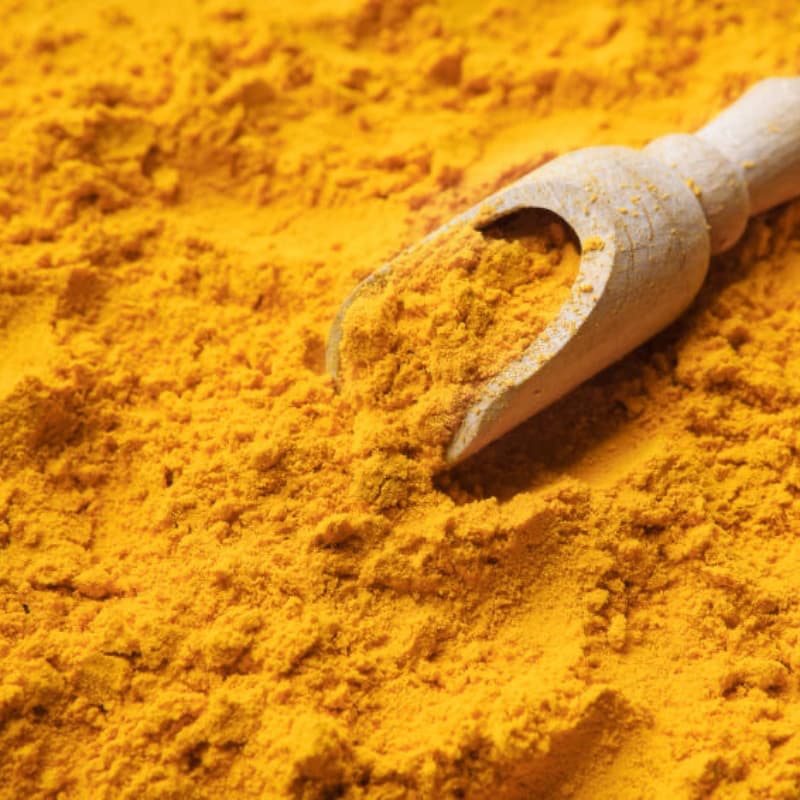
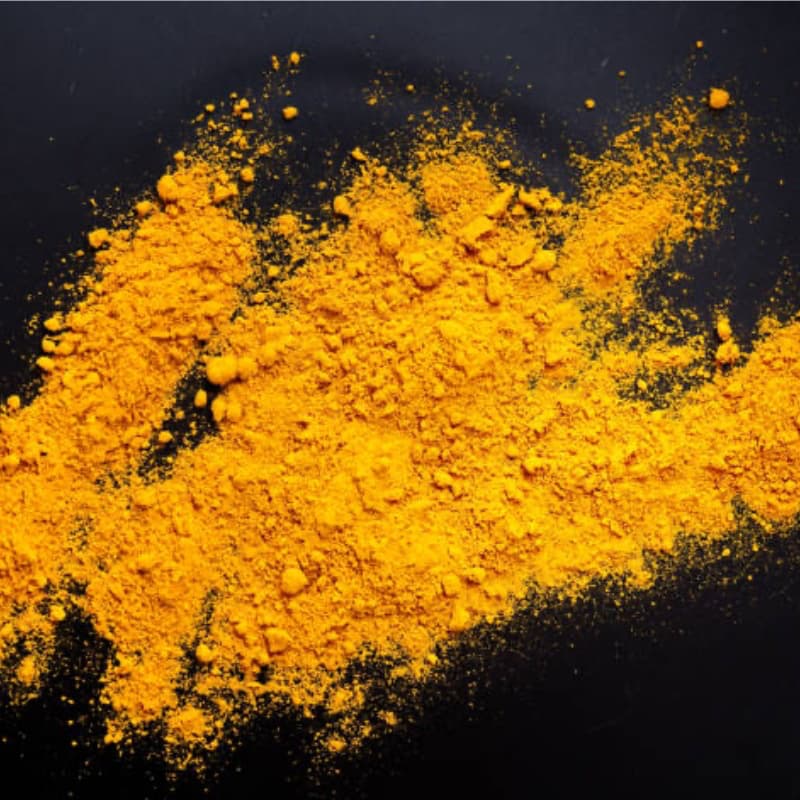
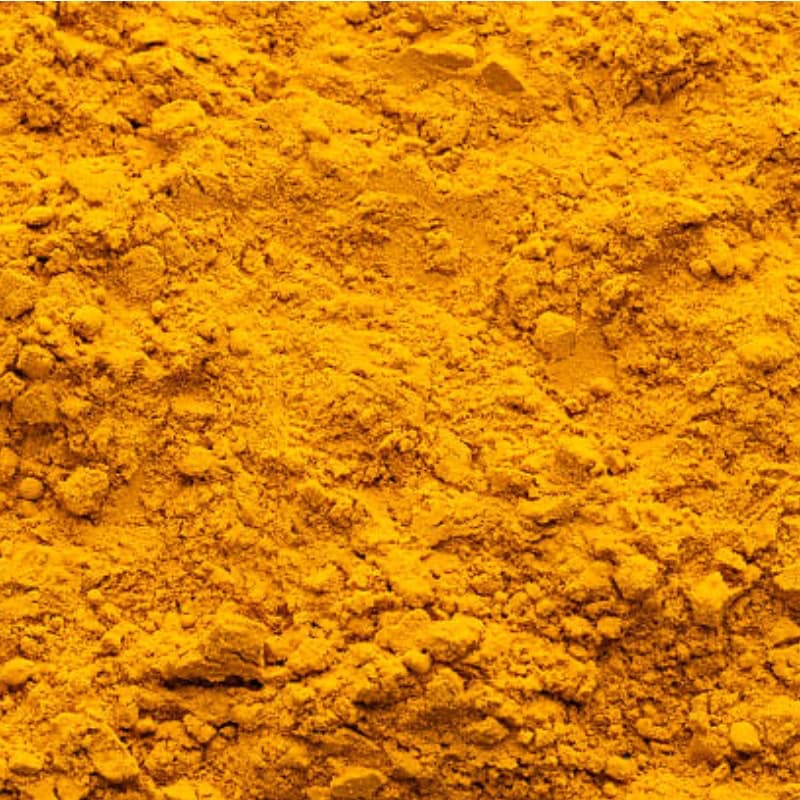
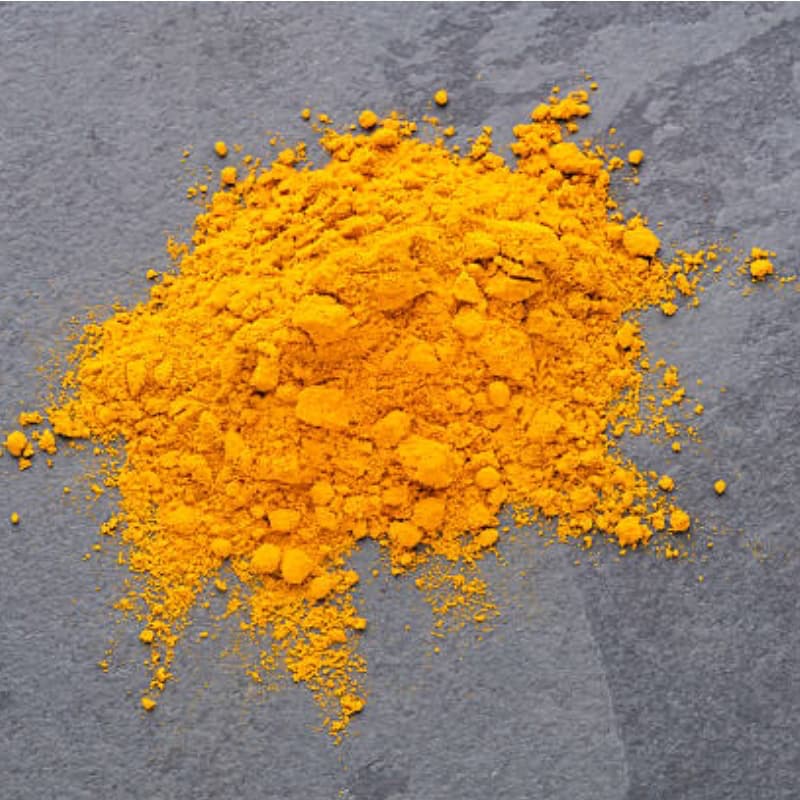
Item No :
LEAFCHEM053Order(MOQ) :
100kgsProduct Origin :
ChinaColor :
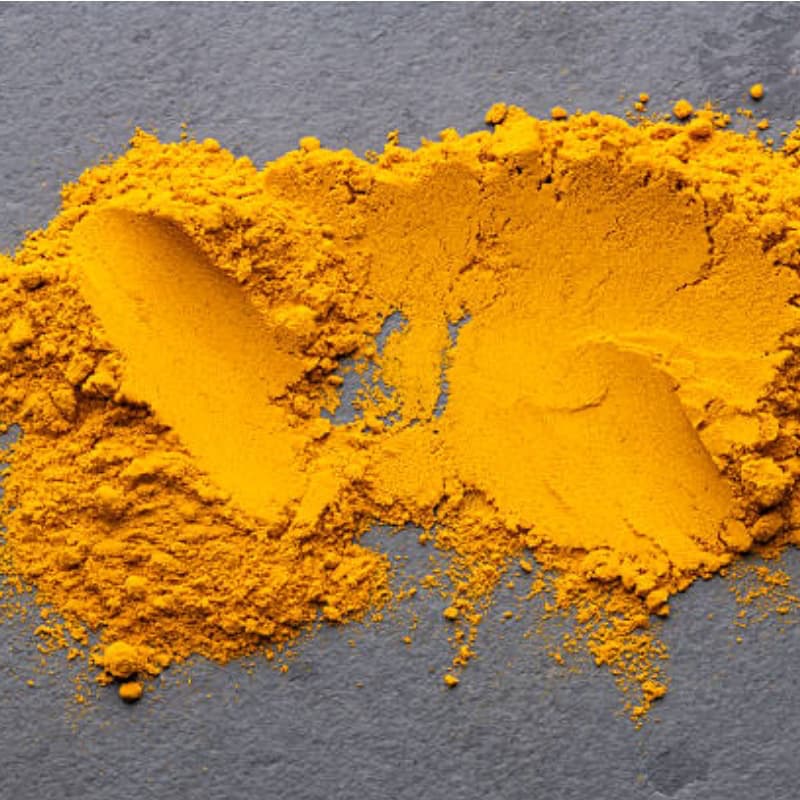
Orange-yellow to reddish-brown solidShipping Port :
Shanghai, ChinaLead Time :
2-3 weeksWeight :
25kgCas No. :
1314-62-1Molecular Formula :
V₂O₅Appearance :
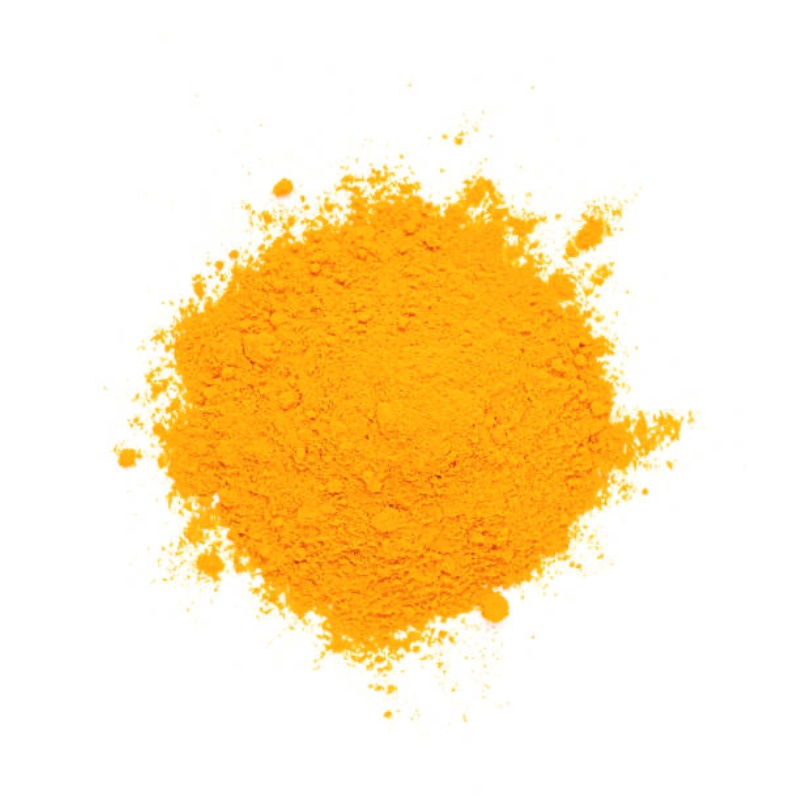
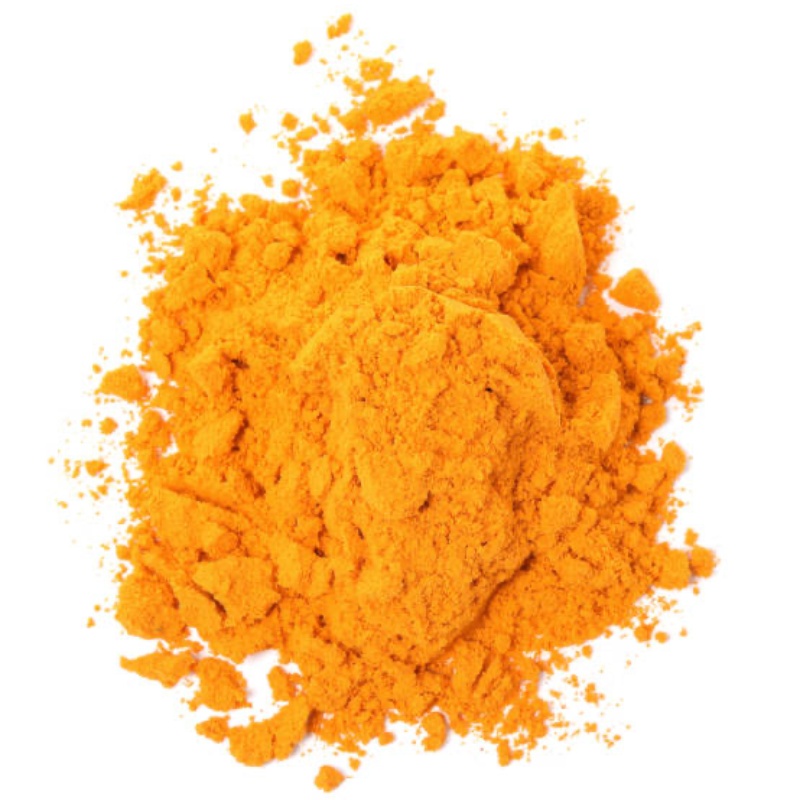
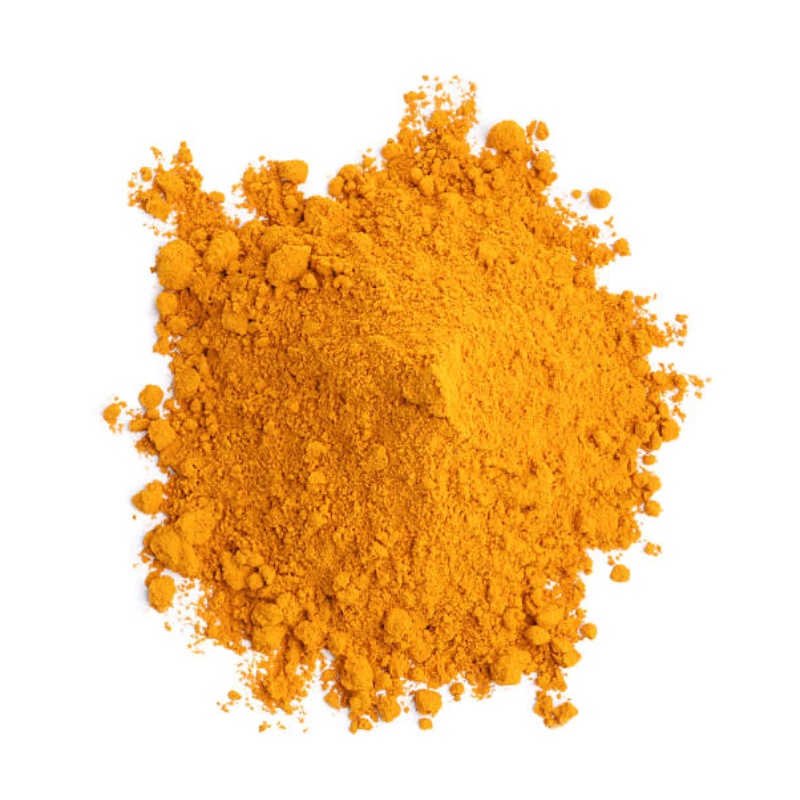
Orange-yellow to reddish-brown solid, available in powder and flake formsAssay :
≥98.0%, ≥99.0%, ≥99.5% (customizable upon request)Application :
Meets the strict requirements of metallurgy, chemical catalysis, new energy storage and other industries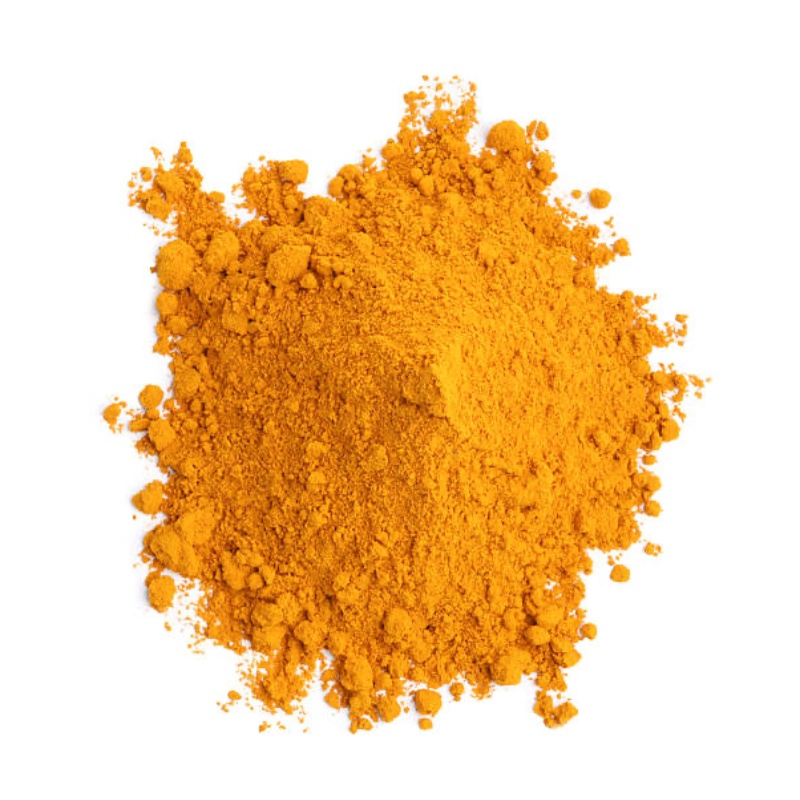
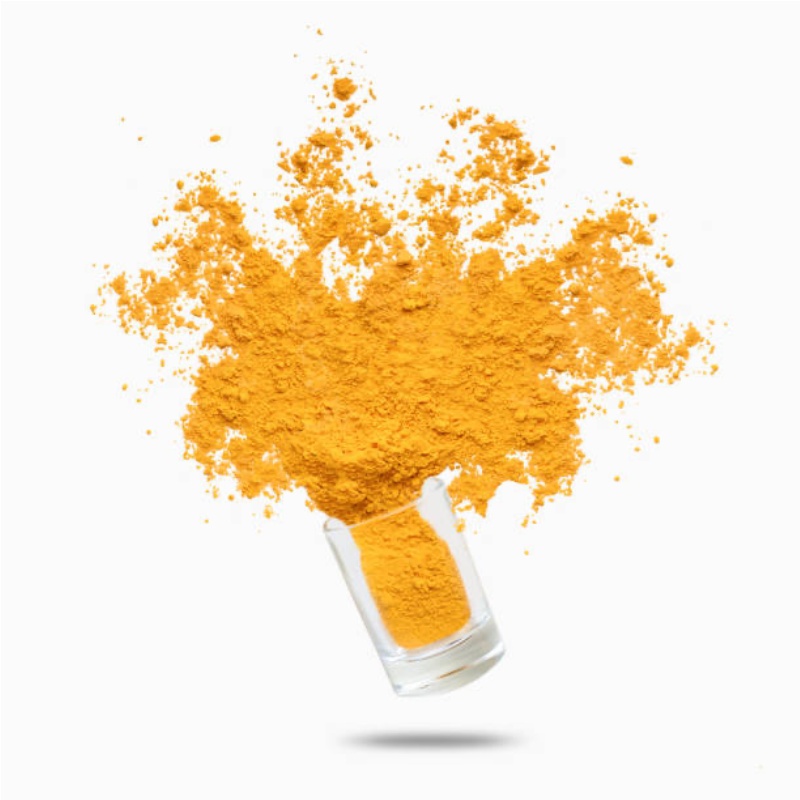
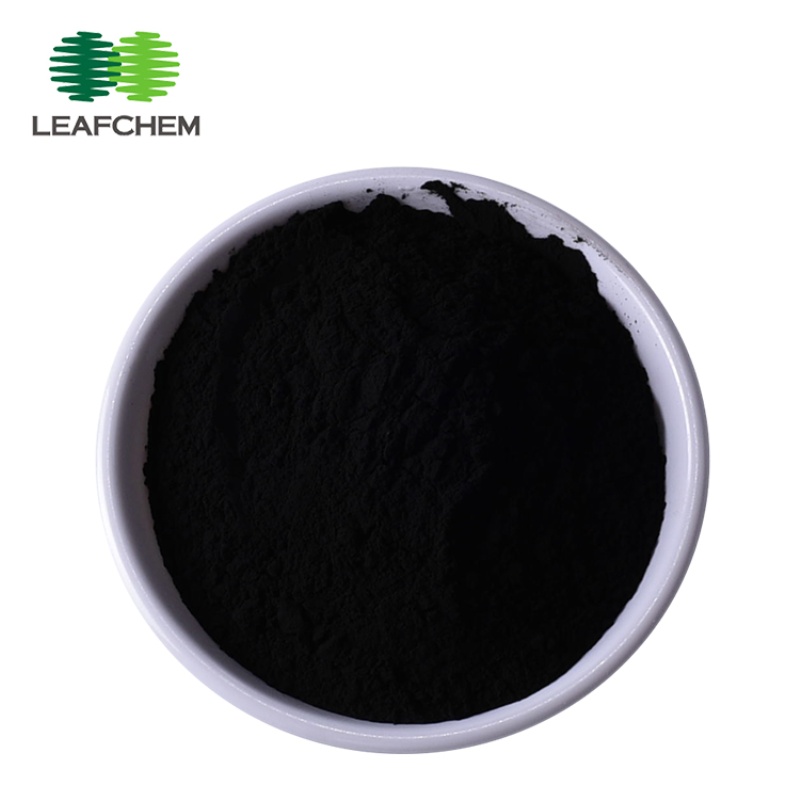
Vanadium Pentoxide (chemical formula: V₂O₅) is the most important vanadium oxide. Presenting as an orange-yellow to reddish-brown powder, our product boasts high purity, excellent reactivity and stable chemical properties. As a fundamental raw material, it is widely used in alloy metallurgy, chemical catalysis and new energy storage, serving as a key additive and functional component for enhancing material performance.
Application Fields
Technical Specifications
| Item | Specification | Test Result |
| Vanadium Pentoxide (V₂O₅) Content | ≥ 98.0%, 99.0%, 99.5% (available upon request) | Titration Method |
| Silicon Dioxide (SiO₂) | ≤ 0.15% - 0.25% | ICP-OES / Gravimetric Method |
| Iron (Fe) | ≤ 0.05% - 0.20% | ICP-OES |
| Phosphorus (P) | ≤ 0.03% - 0.05% | Spectrophotometry |
| Sulfur (S) | ≤ 0.01% - 0.03% | Infrared Carbon-Sulfur Analyzer Method |
| Apparent Density | ~0.8 - 1.2 g/cm³ (powder form, variable) | Standard Method |
FAQ : V₂O₅
Q: What is vanadium pentoxide?
A: It is a toxic orange-yellow to reddish-brown solid, serving as the most critical oxide and raw material in the vanadium industrial chain.
Q: What are its main physical and chemical properties?
A: It has a melting point of approximately 690°C, is slightly soluble in water, and exhibits amphoteric and oxidizing properties.
Q: What is the difference between the flake and powder forms?
A: The powder form features a large specific surface area and faster dissolution/reaction rates, making it ideal for battery electrolytes. The flake form has higher density and generates less dust, which is commonly used in ferrous metallurgy.
Q: Why is high purity (e.g., 99.5%) important?
A: Ultra-low levels of impurities (such as iron and silicon) are crucial for ensuring the long service life of vanadium redox flow batteries (VRFB) and the performance of high-end alloys.
Q: What are its main applications?
A: It is used in three core sectors: metallurgy (enhancing steel strength), chemical industry (as a catalyst for sulfuric acid production, etc.), and energy storage (vanadium redox flow batteries).
Q: Is it toxic? What protective measures are required?
A: Yes, it is toxic (UN 2862). Inhalation of its dust can irritate the respiratory tract, and prolonged exposure may cause lung damage. Protective masks, gloves, and goggles must be worn.
Q: How to handle spills?
A: Avoid generating dust. Collect the spilled material using wet methods or special tools into a sealed container, and dispose of it as hazardous waste.
Q: What are the packaging and storage requirements?
A: It is commonly packaged in 50kg steel drums lined with vacuum-sealed bags to prevent moisture and oxidation. Store it in a cool, dry place and isolate it from food and feed.
Q: Is it a hazardous material? Are there special transportation requirements?
A: It is classified as a Class 6.1 toxic substance. Transportation must comply with hazardous material regulations (e.g., IMDG Code), with professional packaging and labeling.



leave a message


 IPv6 network supported