
Leave A Message
If you are interested in our products and want to know more details,please leave a message here,we will reply you as soon as we can.

Natural Aminoguanidine Hydrochloride Strong Nucleophilic Reagent 98%-99% Purity | CAS 1937-19-5

Item No :
LEAFCHEM053Order(MOQ) :
100kgsProduct Origin :
ChinaColor :
White to off-whiteShipping Port :
Shanghai, ChinaLead Time :
2-3 weeksWeight :
25kgCas No. :
1937-19-5Molecular Formula :
CH₆N₄·HClAppearance :
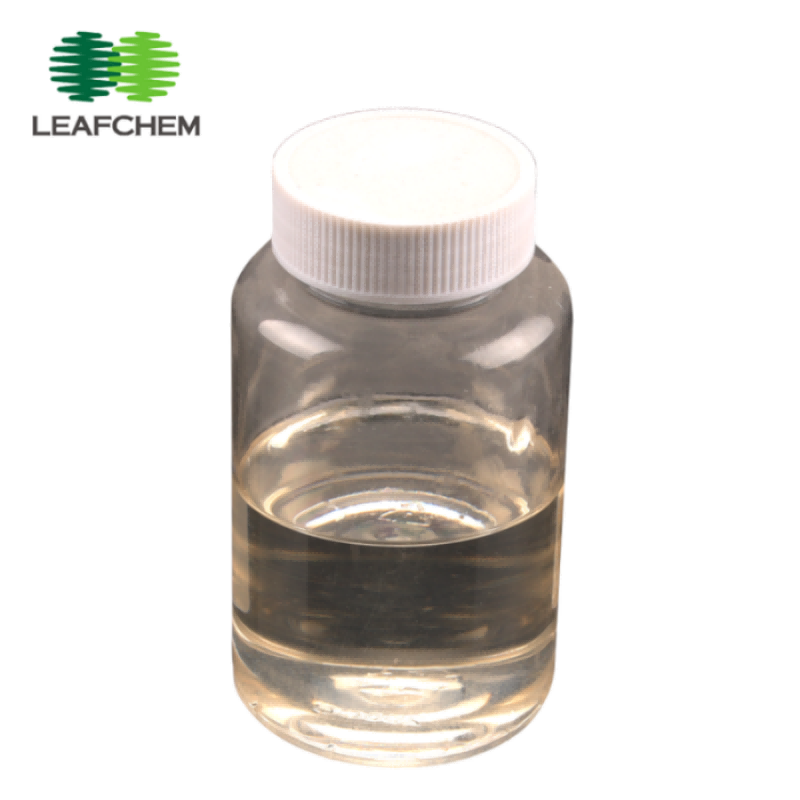
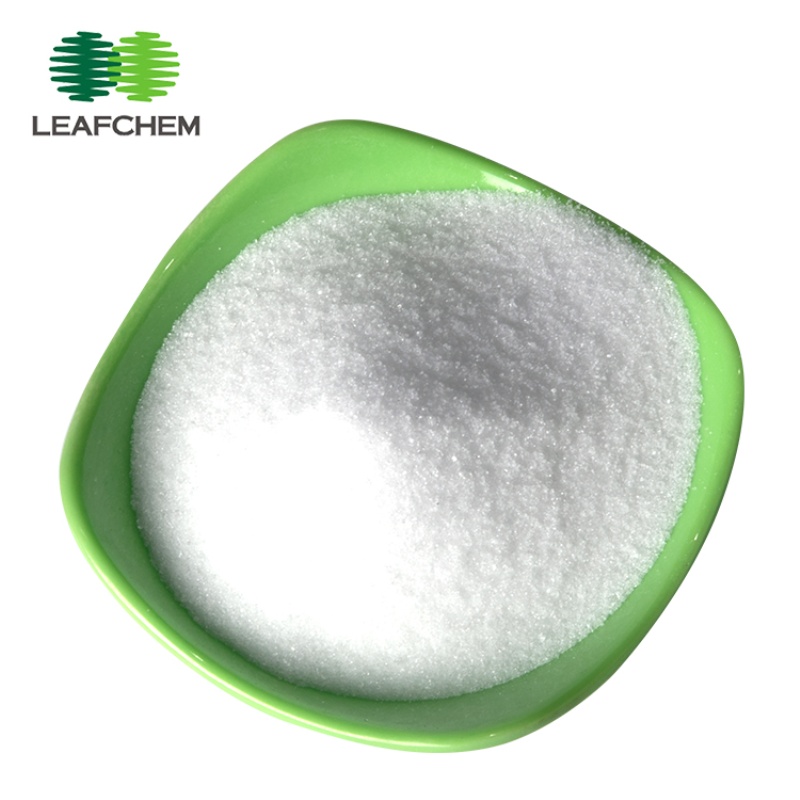
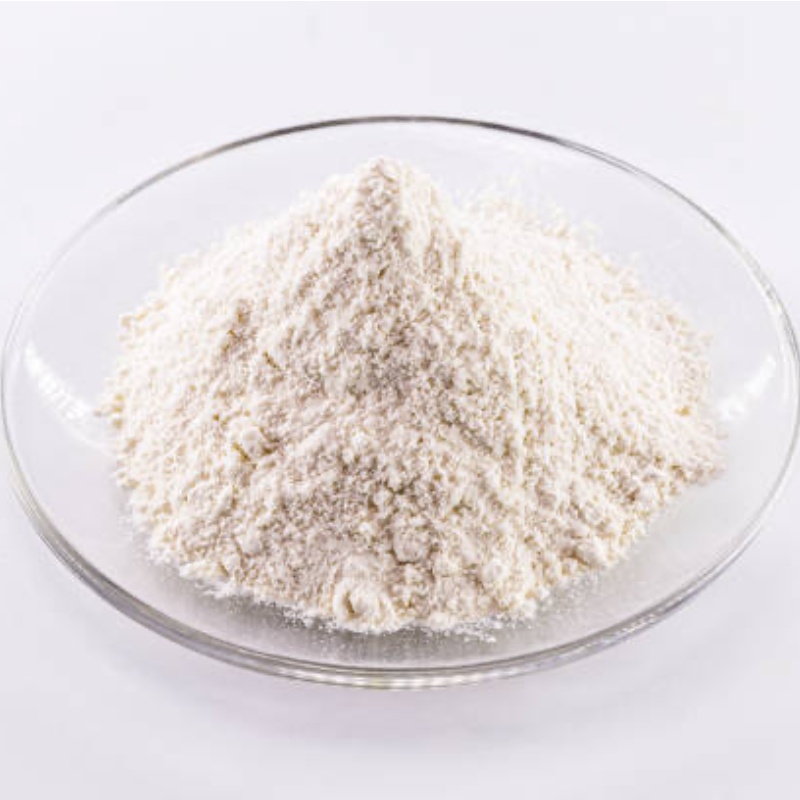
White to off-white crystalline powderAssay :
≥98.0%, ≥99.0%Application :
Pharmaceutical R&D & intermediate synthesis Biochemistry & scientific research Fine chemicals & materials science
Core Advantages
High Reactivity :
As a strong nucleophilic reagent, it undergoes various condensation reactions with aldehydes, ketones, carboxylic acid derivatives and other substrates, serving as a key building block for the construction of nitrogen-containing heterocycles (e.g., triazoles, tetrazines).
Key Pharmacological Target :
A classic representative of advanced glycation end product (AGEs) formation inhibitors, it occupies a special position in the research and drug development of related diseases (e.g., diabetic complications).
Multifunctional Intermediate :
It can be used for synthesizing a variety of nitrogen-containing functional molecules, such as guanidine, aminopyrimidine and tetrazole compounds.
High-Purity Specifications :
We provide high-purity products meeting the requirements of pharmaceutical R&D, with well-controlled impurity content.
Technical Specifications
| ltem | Specification | Test Method/Remarks |
| Appearance | White to off-white crystalline powder | Visual Inspection |
| Assay (on dry basis) | ≥ 98.0%, 99.0% (Higher purity customizable) | Perchloric Acid Non-aqueous Titration/HPLC |
| Melting Point | Approx.160-166°C(decomposed) | Capillary Method |
| Loss on Drying | ≤0.5% | Loss on Drying Method at 105°C |
| Residue on lgnition | ≤ 0.1% | Gravimetric lgnition Method |
| Related Substances (HPLC) | Individual lmpurity s 0.5%, Total lmpurities s 1.0% | High Performance Liquid Chromatography (HPLC) |
| Solubility | Freely soluble in water, slightly soluble in ethanolpractically insoluble in diethyl ether | --- |
Key Application Fields
FAQ :Aminoguanidine Hydrochloride
Q: What is Aminoguanidine Hydrochloride, and what are its core structural and chemical characteristics?
A: Aminoguanidine Hydrochloride (CAS 1937-19-5, molecular formula CH₆N₄·HCl) is a highly active hydrazine derivative and strong nucleophilic reagent, appearing as a white to off-white crystalline powder. Its molecular structure contains both amino and guanidyl groups, endowing it with rich chemical reactivity—it can undergo various condensation reactions with aldehydes, ketones, carboxylic acid derivatives, etc. It is a classic key building block for constructing nitrogen-containing heterocycles, and its core characteristic as an AGEs formation inhibitor makes it widely used in pharmaceutical R&D.
Q: What is the core application value of Aminoguanidine Hydrochloride as an AGEs inhibitor?
A: Advanced Glycation End Products (AGEs) accumulation is closely related to the occurrence and development of diabetic complications, atherosclerosis and other chronic diseases. As a classic AGEs formation inhibitor, Aminoguanidine Hydrochloride can effectively block the non-enzymatic glycation reaction of proteins and reduce AGEs deposition. It is not only a gold standard probe for AGEs-related disease research in biochemical experiments, but also a core lead compound and intermediate for the R&D of novel drugs for diabetic nephropathy, neuropathy and other complications.
Q: What are the key physical and chemical properties of your Aminoguanidine Hydrochloride that need attention in application?
A: Our product has stable physical and chemical properties under normal storage conditions, with several key properties to note for application and processing:
Melting point : Approx. 160-166℃ (decomposes at high temperature), avoid high-temperature processing above the decomposition point;
Solubility : Freely soluble in water, slightly soluble in ethanol, practically insoluble in diethyl ether, suitable for aqueous phase reaction systems;
Hygroscopy : The product has slight hygroscopy, please seal and store after opening to prevent moisture absorption and affect purity;
Reactivity : As a strong nucleophilic reagent, it is sensitive to oxidants and strong acids/bases, and should be avoided mixing with such substances in the reaction system.



leave a message


 IPv6 network supported